
Zhangjiajie Itinerary: Two, Three or Four Full Days
Build two days around Zhangjiajie Forest Park, add Tianmen separately, and decide whether a fourth day is worth keeping free for weather and slower walks.
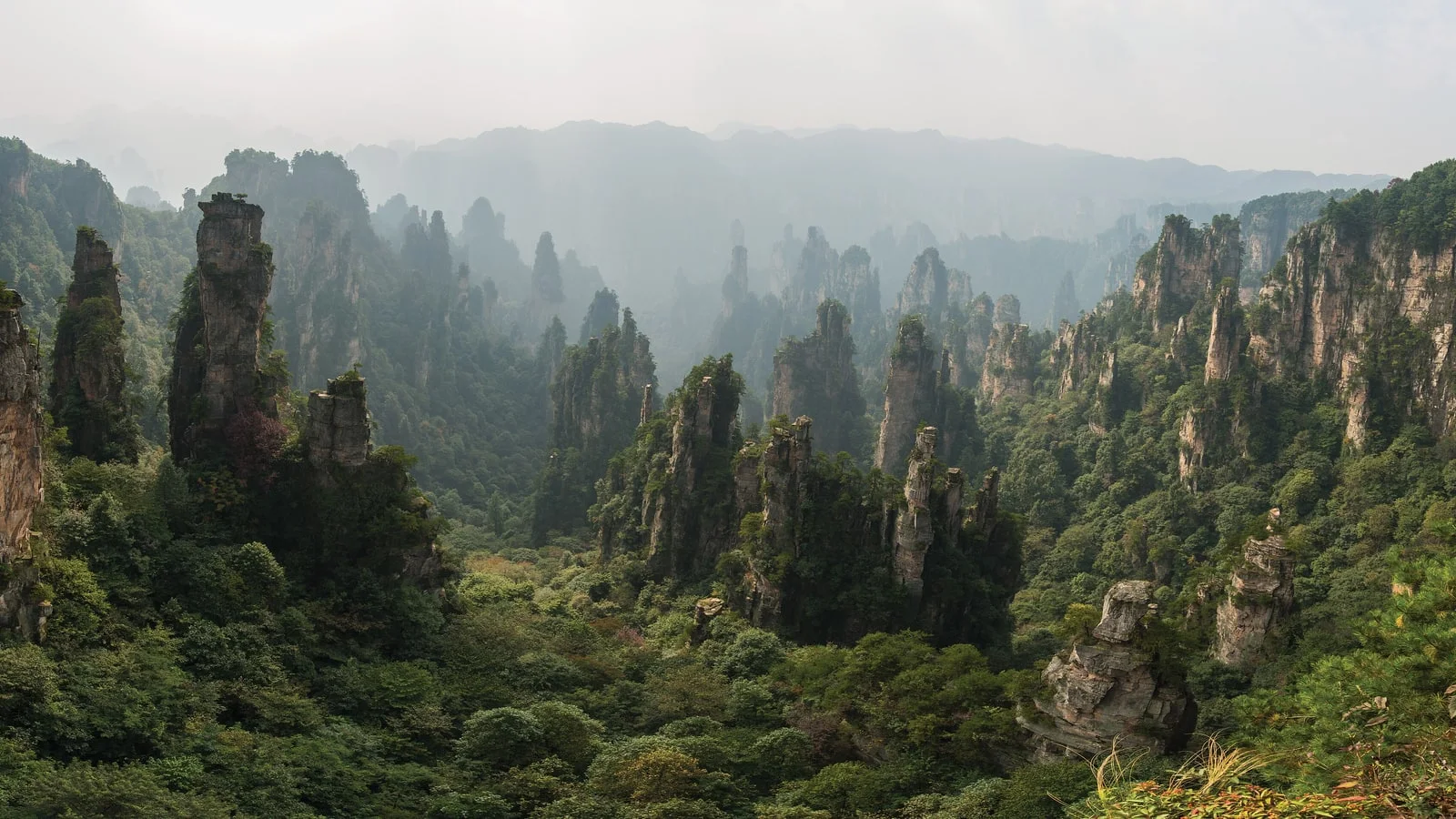
Give two full days to Zhangjiajie National Forest Park, a third to a separately booked Tianmen Mountain visit, and a fourth if you want room to move a mountain day around the weather. Count arrival and departure separately. An afternoon after a train journey can help you settle into your hotel, but it doesn’t replace a full park day in this plan.
The extra days do different jobs. Two days divide the forest park’s upper viewpoints from a lower walk. Three bring in another mountain with its own ticket and transport. Four let you keep a slower day or move a visit, subject to reservation availability. You don’t need to fill that last day with another paid attraction to justify staying. If you’re still deciding between this and a river trip, see Guilin vs Zhangjiajie. On the money question for the two park days: only the ¥530 all-inclusive product is stated to include park entry over four consecutive days, so ask the seller whether a cheaper entry ticket covers both visits (the Forest Park tickets guide has the sums).
Two full days put the forest park at the centre
For this version, use Wulingyuan as your working base and choose the hotel’s location against the entrance you expect to use. Central Zhangjiajie, Wulingyuan and the park gates are separate points on a map. Send the property your intended gate names before booking, especially if its address simply says Zhangjiajie.
Keep your luggage at the accommodation while you’re walking. The operator’s notice rules out overnight stays and camping inside the Forest Park, so plan each visit to finish outside it, with a clear route back to the same bed. Changing hotel halfway through these two days adds a collection and transfer to an already complicated map of gates, buses and vertical transport.
The upper day: Tianzi Mountain and Yuanjiajie
Build the upper day around Tianzi Mountain and Yuanjiajie. A practical outline is to enter from the East Gate, travel towards Tianzi, continue across the upper sightseeing areas, then use Bailong Elevator for the descent. Confirm the day’s bus boarding points and operating connections when you arrive. The route’s direction determines which one-way transport tickets you need.
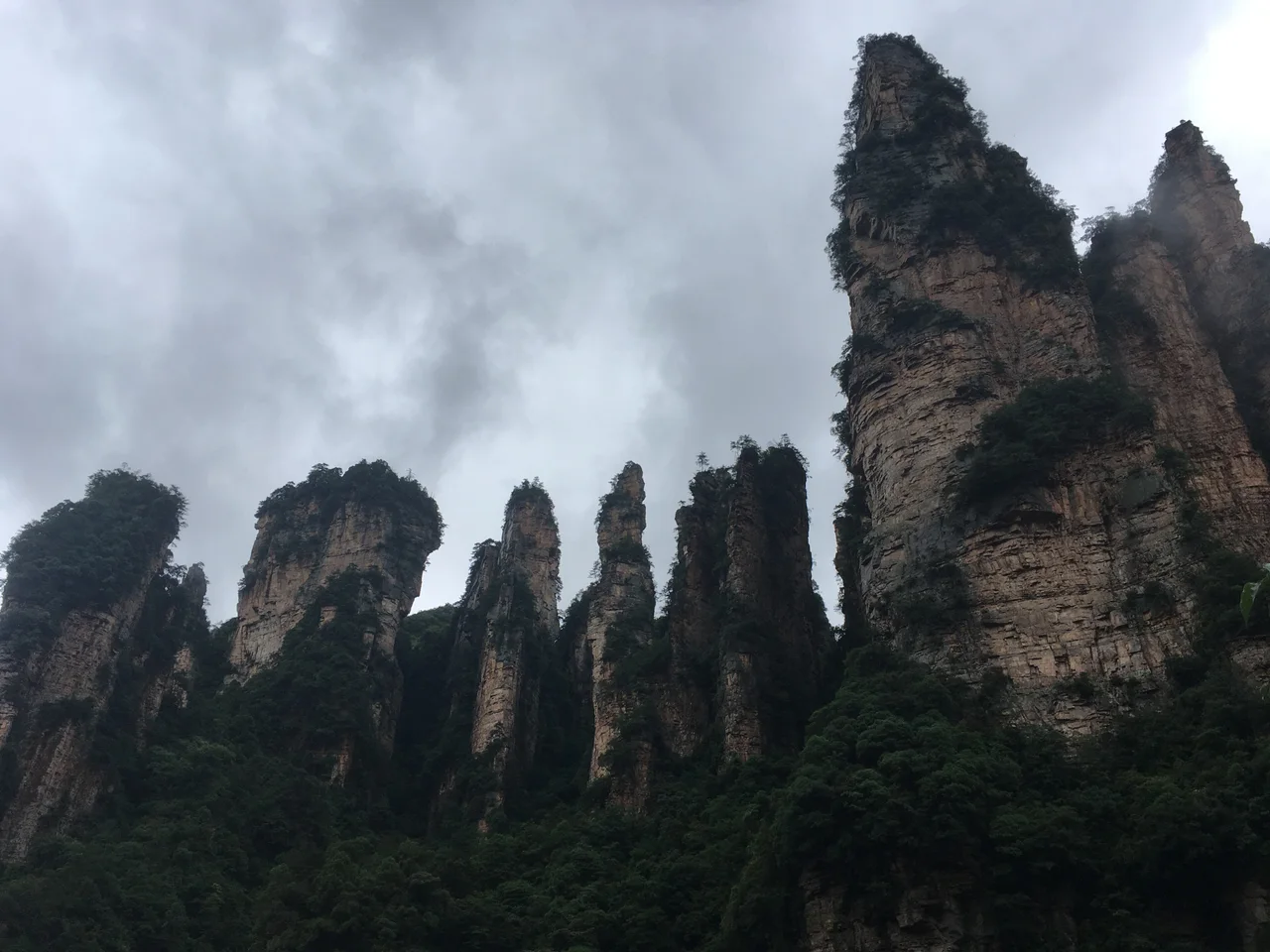
This is the day for the upper viewpoints, so give the stone pillars time rather than racing for every platform before the next bus. Keep the order simple enough that you can shorten it if queues or visibility change. A long list including every lift and every named viewpoint is much harder to adjust midway through the afternoon.
Ask staff about your return route before leaving an upper transport stop. Your hotel entrance, park entrance and final lift station aren’t interchangeable destinations. If the weather obscures the upper scenery, consider swapping this day with the lower walk, provided you can change the relevant gate and time reservations.
The lower day: Golden Whip Stream, with Huangshizhai as an option
Use the South Gate side for a day centred on Golden Whip Stream. This changes the pace: you’re walking beside the water beneath the landscape rather than moving between upper viewing areas. Decide where you’ll turn back or finish before following the path away from your entrance.
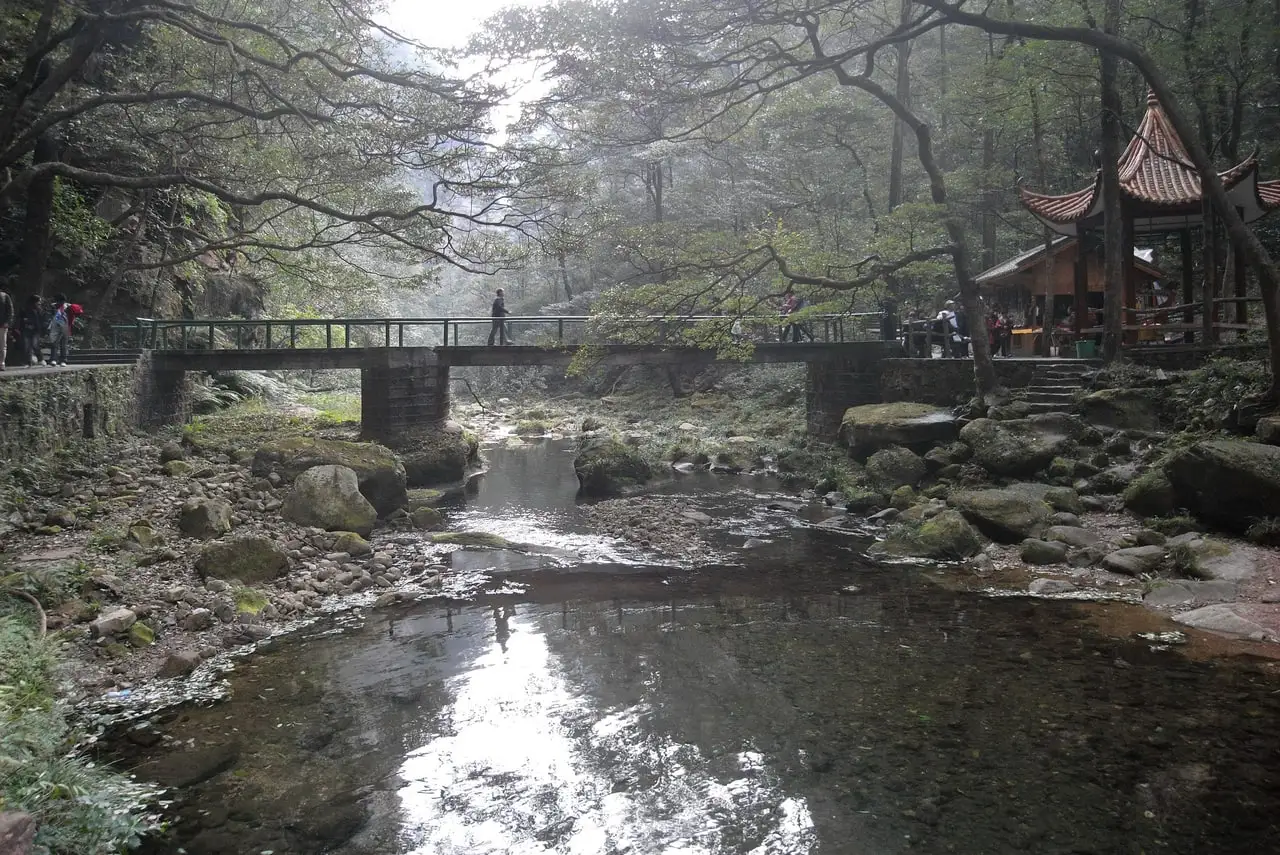
An out-and-back walk can make sense when your return transport is tied to the South Gate. Choose the distance for your group and the remaining daylight; walking the whole length isn’t a condition of enjoying the stream. Carry what you need for the walk and keep enough time to get back through the exit route.
Huangshizhai can be an additional upper section on this southern day if your energy, visibility and current transport arrangements allow it. It adds an ascent and descent to the stream walk. Decide whether those belong in your day before buying another cableway ticket, and leave the option out if you want the second day to stay gentle.
A third day belongs to a different mountain
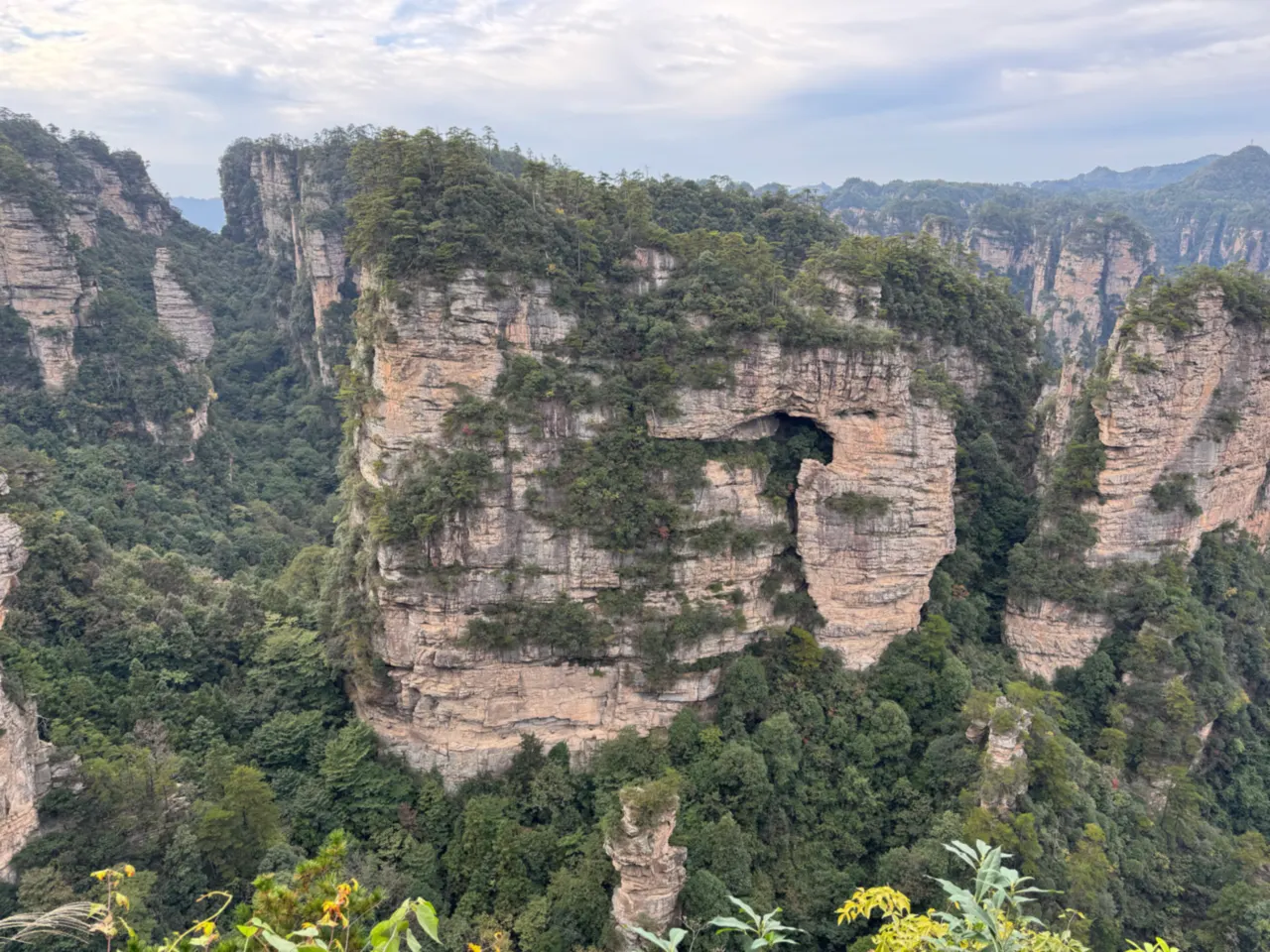
Tianmen Mountain is a separate outing near the city, with its own booking and transport arrangements. Move the base towards your Tianmen starting point after the forest-park days if that also suits your onward journey. Compare that move with keeping the same hotel and making a separate road journey; ask for a proposal using the actual hotel and ticketed departure point.
Reserve a full day for Tianmen in this itinerary. That is an allowance for the outing, not a claim that every ticket route takes the same number of hours. The sequence of cableways and road sections depends on the product operating on the day.
Check the current Tianmen route before paying. An operator notice dated 6 October 2026 described cableway works and a temporary arrangement for 8-12 October; that arrangement says nothing about a later trip. Read the route attached to your own ticket, including where you start and finish, and don’t expect one continuous cable-car ride from the city to the summit.
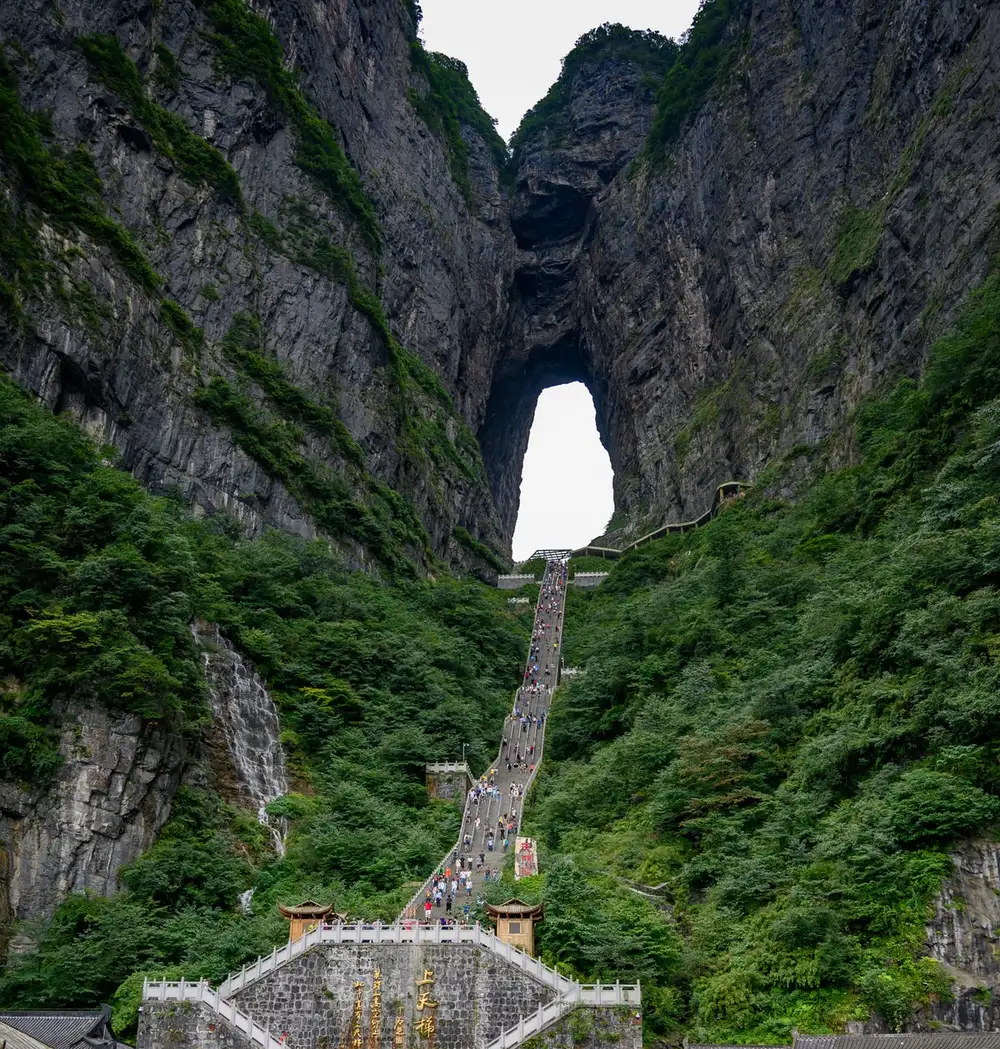
If the available arrangement doesn’t suit your group, keep the third day for a slower forest-park visit or a break outside the park. The point of adding a day is to make the trip more workable. Check any additional park-entry entitlement before choosing a return visit.
A fourth day buys room to rearrange
A fourth full day is useful when seeing the upper landscape matters more to you than ticking off a fixed sequence. Keep it movable within the stay. You might use it earlier if the forecast favours one day, or retain it as a shorter walking day after two active outings.
That flexibility has limits. A spare day doesn’t guarantee visibility, a new entry slot or a refund on a ticket you’ve already bought. Before you book, check which bookings can change, when they expire and whether moving one visit would leave another unusable.
Leave the final journey out of Zhangjiajie on its own line. Trying to reclaim the reserve as a last mountain morning before a tightly timed train can undo the benefit. If you’re extending the Beijing, Xi’an and Shanghai itinerary, add the travel to and from Zhangjiajie as well as the full sightseeing days discussed here.
Cost the route you choose
The upper day needs park entry with eco-buses plus a one-way ride up Tianzi and one down Bailong Elevator; the southern day adds a Huangshizhai ride only if you take it. Our Forest Park ticket guide prices that basket against the four-day all-inclusive product at the operator’s October 2026 tariff, and works through the sums for a second park day.
Buy each ride in the direction your route uses: an ascent ticket and a descent ticket aren’t substitutes. The tariff table doesn’t name a season: when the city separated admission from the eco-bus fare in 2020, it set admission at ¥165 from March to November and ¥84 (about US$12.55 / £9.50 / €11.20) from December to February, and in 2023 peak fares for admission and in-park transport applied from 1 March. Recheck the selling price and conditions for your date, particularly for a December-February or 2027 visit; an agent may offer a package with different inclusions.
One line per park day
Write down the date, named entrance, entry slot and intended exit for each forest-park day. The operator’s booking instructions require a gate and time reservation for repeat visits as well as the initial entry. A multi-day entitlement still needs to fit that reservation process.
Use the official booking link or mini program reached through the park’s own information, and book against the passport you’ll carry. The operator lists passports among the accepted purchase documents. Bring the original and keep the reservation details to hand; ask staff for assistance if the document or booking needs checking. The China travel apps guide explains how mini programs work.
The evening before each park day, check the next day’s operating notice against your reservation and the rides you’ve planned, and give your driver the gate name.
Read also

Before you go · 7 min read
China in Spring: March, April or May?
Verified · 16 October 2026Choose a spring month and route using comparable climate normals for Beijing, Shanghai, Kunming and Guilin, with practical plans for rain and wind.

Before you go · 7 min read
China in Summer: Heat, Rain and School Holidays
Verified · 15 October 2026Compare summer weather in Beijing, Shanghai and Kunming, check local 2027 school breaks and plan days with room for heat and changing weather.

Before you go · 8 min read
China with Kids: Ages, Train Seats and Pushchairs
Verified · 16 October 2026Plan a family trip around child tickets, passports, train seats and pushchairs, with specific rules for Shanghai Disneyland and Chengdu Panda Base.

Before you go · 7 min read
Dali vs Lijiang: Town Walks and Mountain Choices
Verified · 15 October 2026Dali or Lijiang? Lake and old-town base against canals and a 4,506 m glacier cable car, with ticket rules, altitudes and how to see both.