
Chengdu vs Chongqing: Which City Fits Your First Trip?
Pandas in Chengdu or a museum and a river evening in Chongqing? A short table, the day trips from each, and how to do both in four nights.
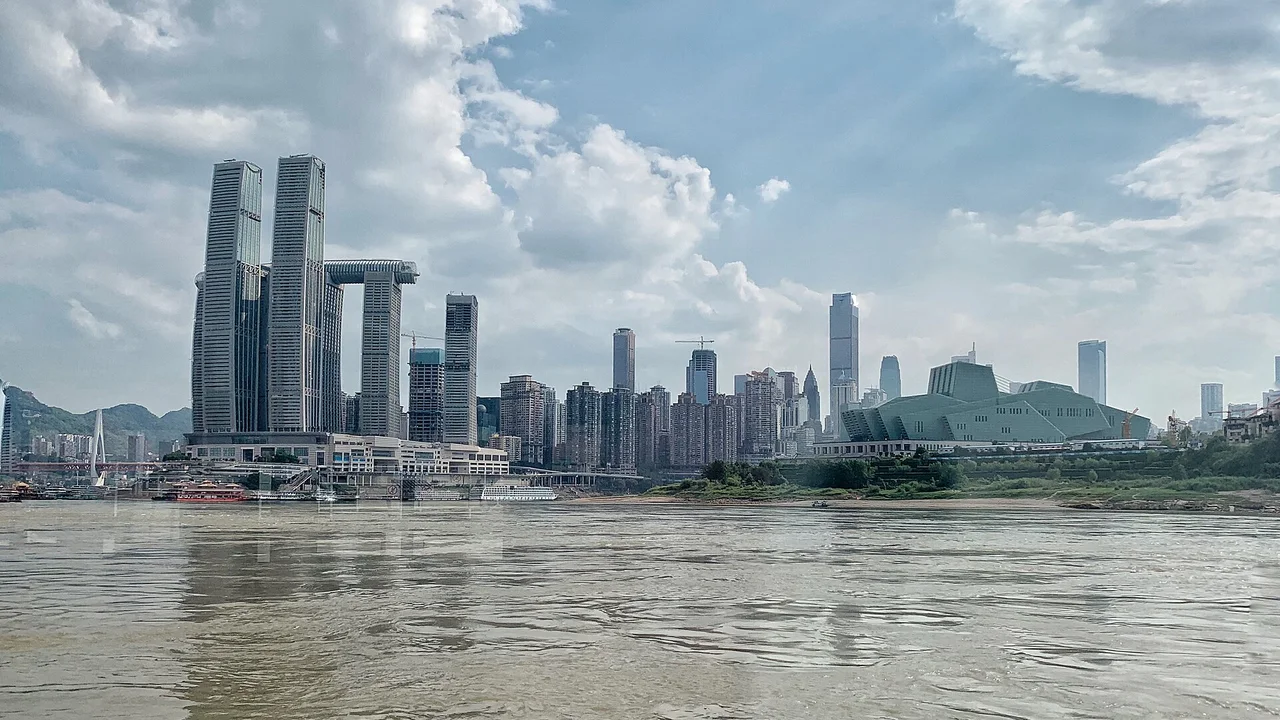
Chengdu is the city for pandas and tea; Chongqing is the city for a lit-up river evening and the Three Gorges Museum. You don’t have to pick one, though: the two are about an hour apart on the quickest trains, and 12306 listed over 120 trains a day between them for 17 November 2026. The question is how many of your nights each deserves.
| Chengdu | Chongqing | |
|---|---|---|
| The outing to plan around | Panda Base: a morning or afternoon slot, booked up to 14 days ahead | China Three Gorges Museum: free, no booking, last entry 16:00, closed Mondays |
| Evenings | Tea in People’s Park, Jinli after Wuhou Shrine | Hongyadong lit up, seen from the far bank or a boat; the Yangtze Cableway |
| Food | Sichuan’s range, mapo tofu | Hotpot where it started |
| July | Highs just under 30°C | Highs of 32.2°C |
| Day trip | Leshan’s Giant Buddha | Dazu’s carvings or the Wulong karst |
| Between the two | Over 120 trains a day; the quickest, via Shapingba, take about an hour |
Chengdu: the day is built around a booking
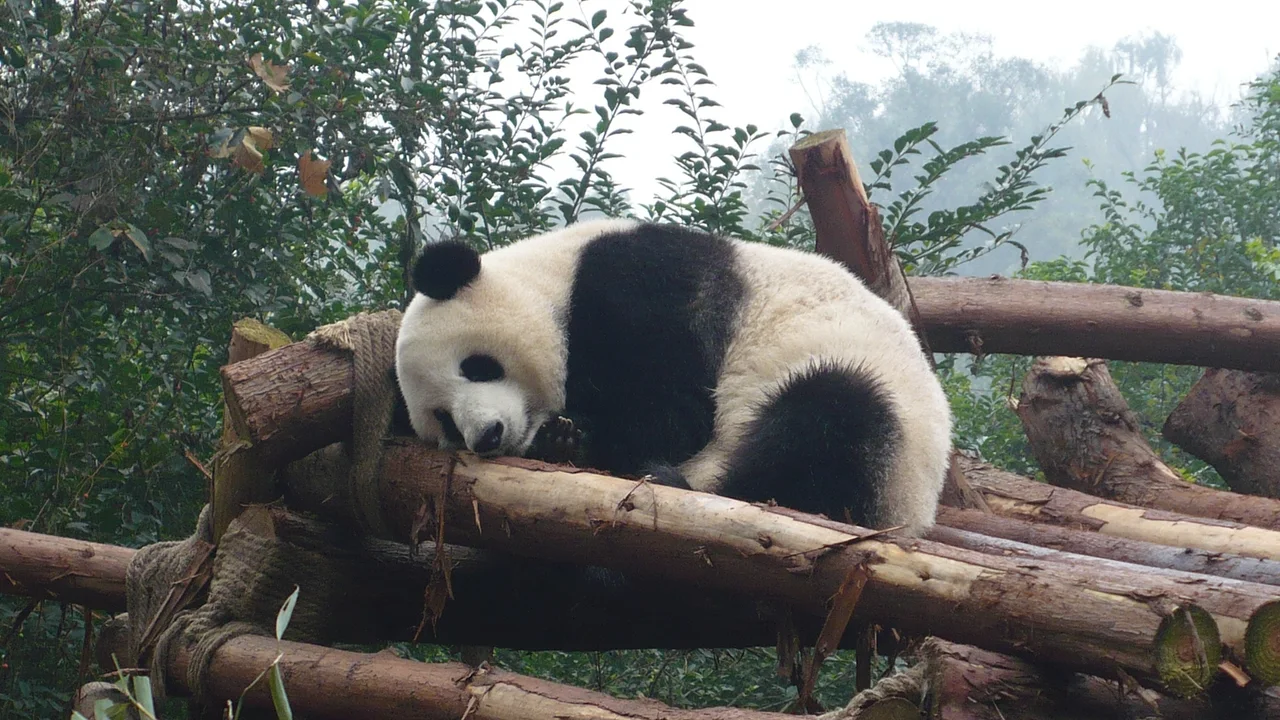
Panda Base tickets carry your passport name, a date and a half-day slot, released up to 14 days ahead, so in Chengdu you fix that booking first and fit the city around it. Our Panda Base tickets guide has the price, the passport rules and the gates.
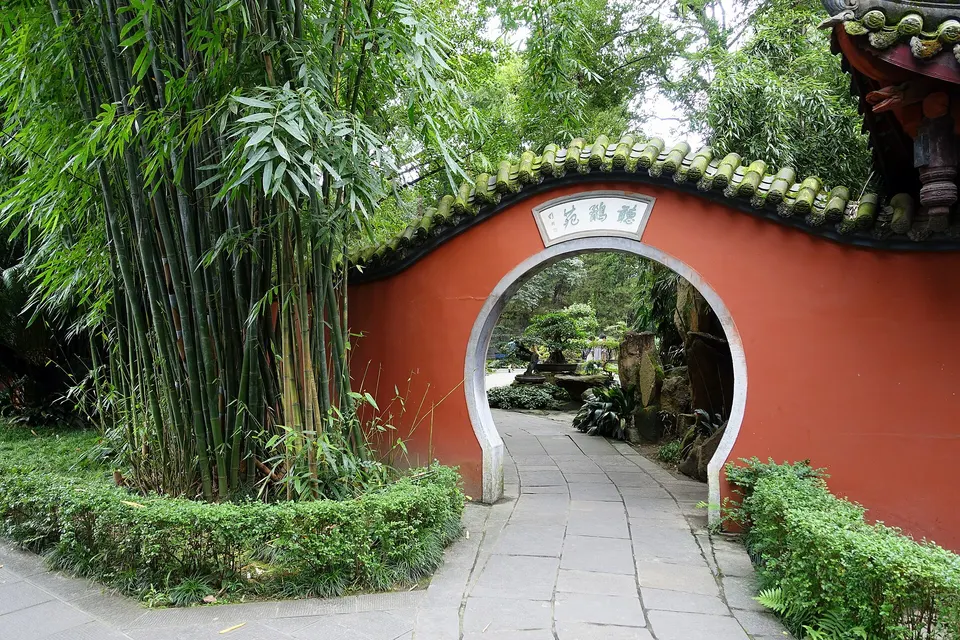
The rest of Chengdu’s day is slower, and that’s deliberate. Wuhou Shrine honours Liu Bei, Zhuge Liang and the other Shu Han figures, and Jinli, the street of snack stalls beside it, makes a natural dinner stop. The Chengdu city guide has the neighbourhoods and the teahouses.
Chongqing: the day is built around a closing time
The permanent displays at the China Three Gorges Museum are free, and since 1 October 2025 there has been no advance reservation: you go in on valid identification. Here’s the catch: the clock. Opening hours are 09:00-17:00, but last entry is at 16:00, and the museum closes on Mondays except statutory holidays (checked 14 November 2026). An afternoon spent elsewhere can leave you looking at the building after the doors have closed to new visitors.
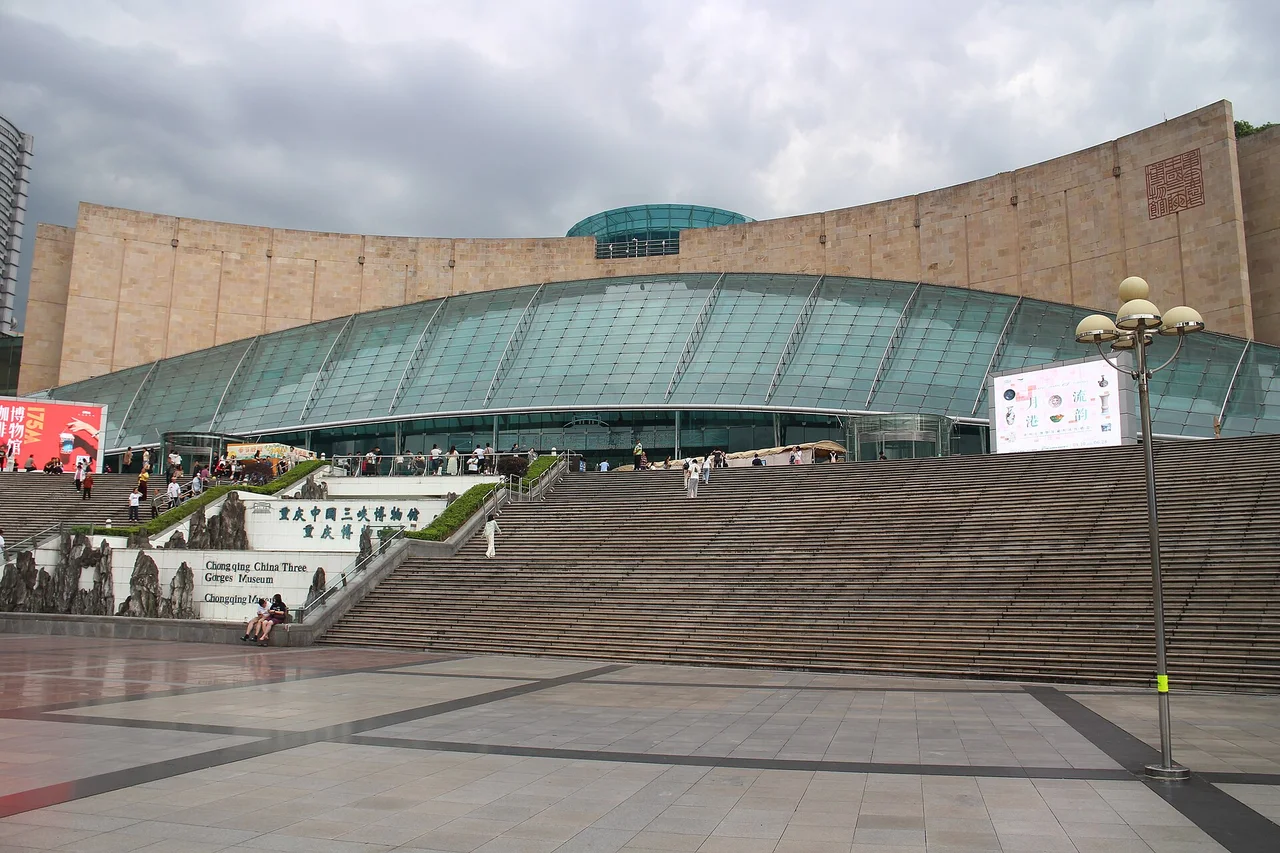
Put the museum before a river evening, ideally the same day, with the museum from late morning and the crossing after dark. Its Three Gorges and Ba-Yu subjects give the landscape outside some context, and it keeps the outdoor part for when the lights come on. If there’s one collection you’re coming for, check the exhibition notices first. A short stay that lands mostly on a Monday is the one case where Chongqing loses to Chengdu on logistics alone.
The cableway and the evening view
The Yangtze Cableway is the other half of a Chongqing evening: four and a half minutes in a cabin across the river from Jiefangbei to the south bank. Ride it one way and decide in advance what you’ll do on the far side. Hongyadong, a stack of stilt houses eleven floors high built into the cliff above the Jialing River, is the classic lit-up view, and it looks best from the far bank or from a boat rather than from inside it. Chengdu doesn’t have anything that works the same way: its evenings are lower-key, built around lanterns at Jinli and a late pot of tea, so the choice between the cities is partly a choice between a spectacle and a stroll. Our Chongqing guide has the rest of the evening.
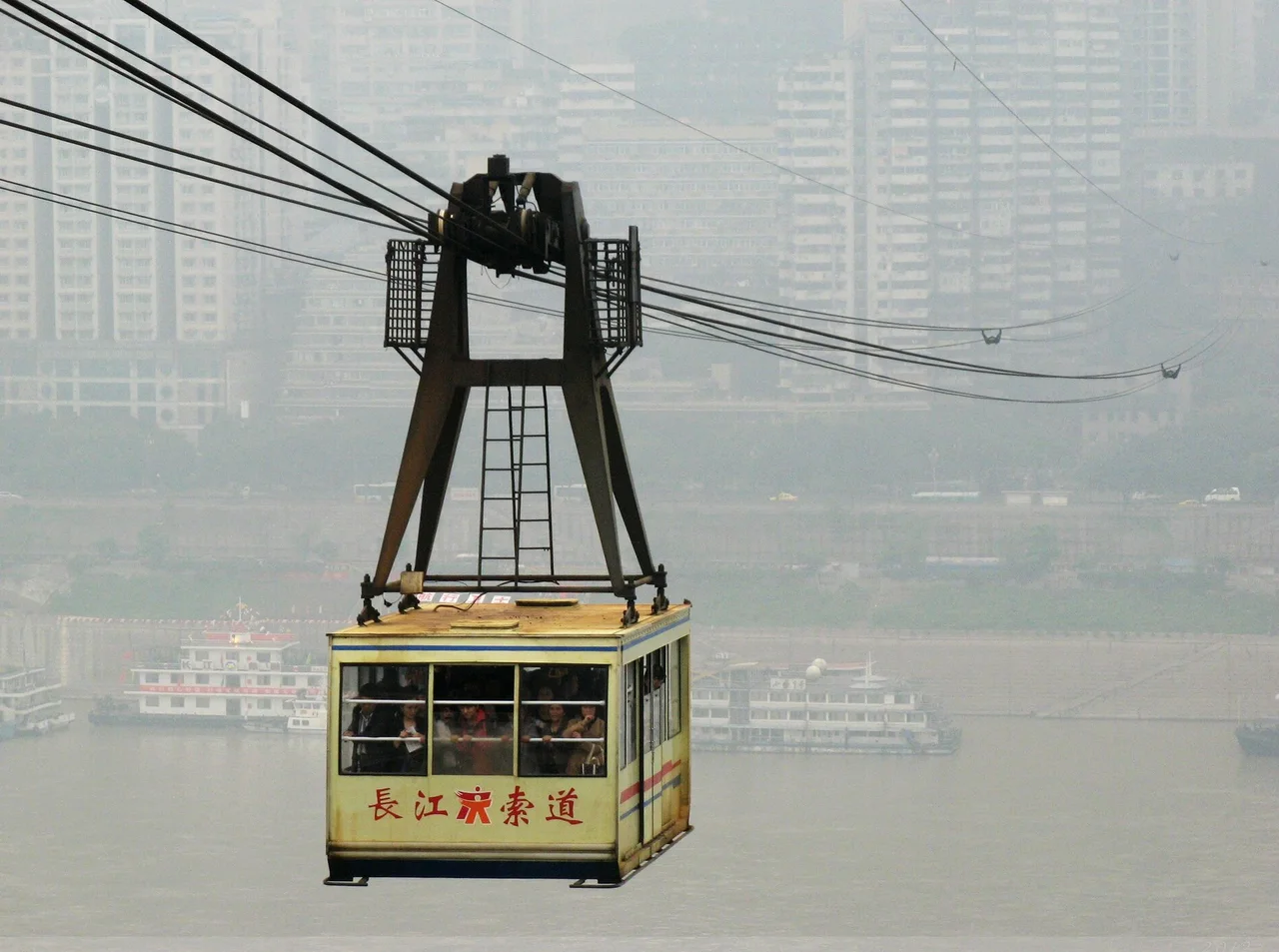
The operator’s seasonal table, checked on 14 November 2026, lists 08:00-22:00 (07:30-23:00 on statutory holidays) from 1 March to 30 November, and 08:00-21:00 (07:30-22:30 on statutory holidays) from 1 December to the end of February. Tickets are sold on the day through the operator’s WeChat page, where you choose the starting station and time.
Where to base yourself
In Chongqing the base is easy: the Yuzhong peninsula, where the museum, the cableway and the river views are a walk from the hotel; the Chongqing guide covers the exceptions. Chengdu gives you two good choices: the old west side for the lanes and teahouses, or the Wuhou area if you land at Shuangliu, a straight ride on Line 10 (airport guide). Chengdu is the easier base for a slow, walking trip; Chongqing is the denser, steeper one, and its hills mean a short distance on the map can be a long walk.
Food: range against origin
Chengdu’s pitch is range: UNESCO’s city of gastronomy and the home of mapo tofu, so eat widely rather than chasing the heat. Chongqing’s is one dish, and it’s at its source: hotpot, which by most accounts started with the boatmen at Chaotianmen wharf, so make one hotpot dinner the event of the stay. Our Chongqing guide and the Chengdu guide cover where to eat.
Heat and the month
July is where the two split, and the rain days matter as much as the heat. Chengdu’s average high is just under 30°C, though it is also the wettest month there, with 231 mm of rain on 17 days; Chongqing’s reaches 32.2°C. If summer is your only window, Chengdu is the gentler of the two, and you’ll notice it by mid-afternoon. Spring and autumn are closer: April highs are 21.6°C in Chengdu and 22.2°C in Chongqing, and in October 20.6°C and 21.3°C, with Chongqing’s October wetter (rain on 15 days against 14).
One day out of town: Leshan, Dazu or Wulong
Each city has a World Heritage day trip within an hour of its station. From Chengdu, the Leshan Giant Buddha is 71 metres high, carved from a cliff in the 8th century; the quickest train was listed at 41 minutes for 17 November 2026. From Chongqing, the Dazu carvings (9th-13th century) were listed at 31 minutes from Chongqing West for the same day, and the Wulong karst at 35 minutes from Chongqing East. The entry prices of all three are separate from the train fare; the city guides link the details.
Settling it with one question
Write down the one thing you’d regret missing. If it’s the pandas, Chengdu decides it, because that ticket has to be booked ahead and the rest of the city bends around it. If it’s the river at night, Chongqing decides it; just don’t put the museum on a Monday, when it’s closed. If it’s the food, don’t choose at all: the two cities cook different things and neither stands in for the other’s signature dish. A second city earns its place from four nights up, since arriving and settling in costs roughly half a day each time you change, and that half day is the real price of seeing both.
Doing both
With four nights or more, split them. The cities are about an hour apart on the quickest trains, which use Shapingba, so two nights in each costs you a morning, not a day. Our Chengdu to Chongqing train guide has the stations and dated fares. With only two or three nights, pick one: Chengdu if the pandas, a slow food-and-tea pace or a July trip decide it, and our three days in Chengdu fills them; Chongqing if you want the river city after dark and the Three Gorges Museum, as long as your full day there isn’t a Monday.
Read also

Before you go · 7 min read
China in Spring: March, April or May?
Verified · 16 October 2026Choose a spring month and route using comparable climate normals for Beijing, Shanghai, Kunming and Guilin, with practical plans for rain and wind.

Before you go · 7 min read
China in Summer: Heat, Rain and School Holidays
Verified · 15 October 2026Compare summer weather in Beijing, Shanghai and Kunming, check local 2027 school breaks and plan days with room for heat and changing weather.

Before you go · 8 min read
China with Kids: Ages, Train Seats and Pushchairs
Verified · 16 October 2026Plan a family trip around child tickets, passports, train seats and pushchairs, with specific rules for Shanghai Disneyland and Chengdu Panda Base.

Before you go · 7 min read
Dali vs Lijiang: Town Walks and Mountain Choices
Verified · 15 October 2026Dali or Lijiang? Lake and old-town base against canals and a 4,506 m glacier cable car, with ticket rules, altitudes and how to see both.