
Beijing Subway for Tourists: Cards, Gates and Stations
Use a foreign bank card, a single ticket or BEIJING PASS on the metro, avoid mixing payment devices and find the right line for your railway station.
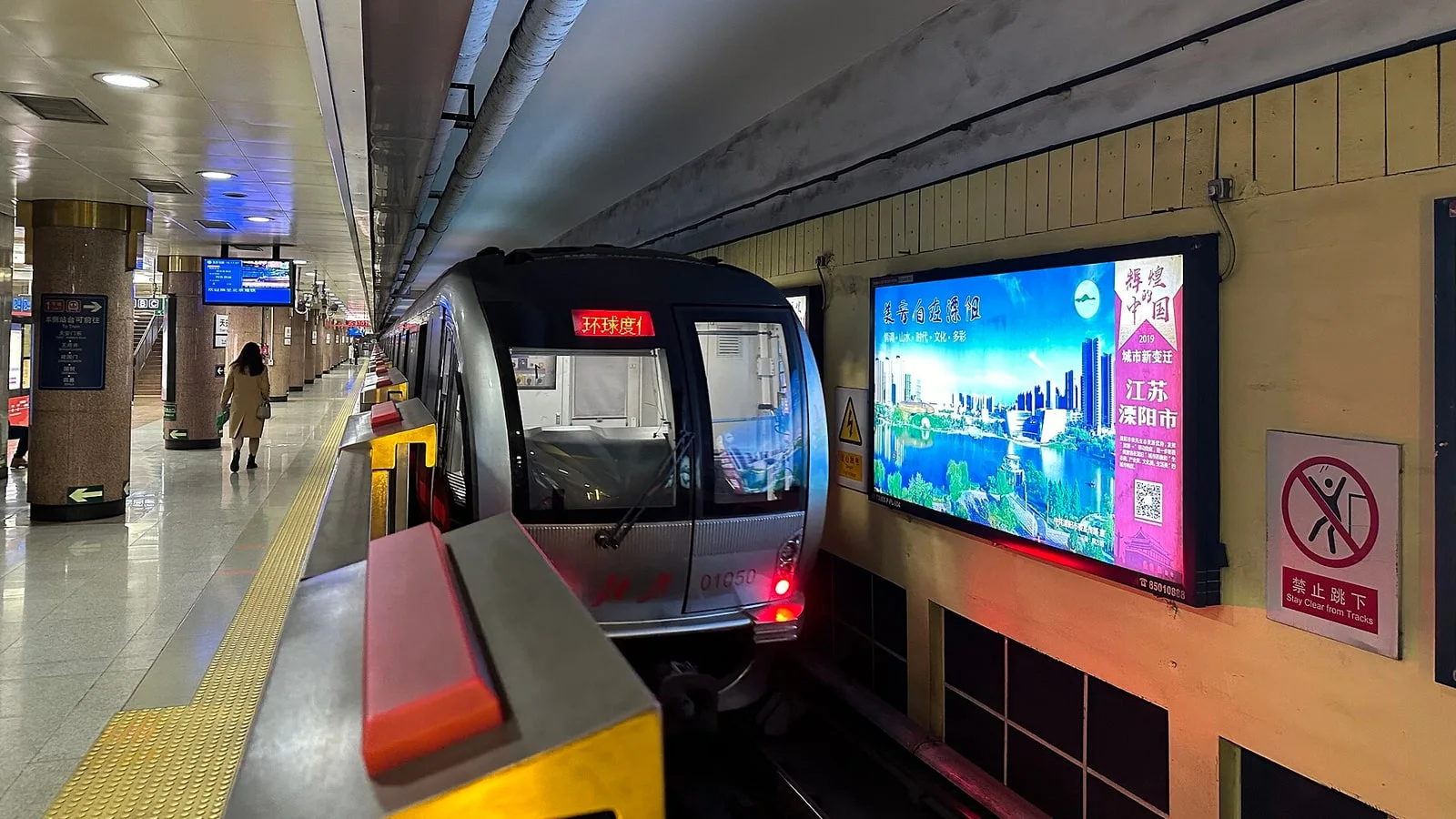
For a short Beijing visit, a supported contactless bank card can take you through the metro gates directly. Use the same physical card or phone payment token when entering and leaving, with a separate payment method for each passenger. That small distinction matters: a plastic card and its phone-wallet version can represent different travel records, even when they draw on the same bank account.
Beijing’s published information, checked on 15 October 2026, also offers single-journey tickets and the reloadable BEIJING PASS. Don’t let the word “pass” mislead you: BEIJING PASS is a stored-value card you top up, not an unlimited ticket, and the unlimited products are separate, with their own exclusions.
One journey, one payment method from start to finish
The city’s 26 March 2026 information lists contactless UnionPay, Mastercard, Visa, JCB and American Express among supported bank cards. You can approach the appropriate gate reader with a supported card instead of buying a separate metro ticket for each trip.
Keep the card you used where you can find it at the destination. If you entered with a plastic Visa, finish with that plastic card. If you used a phone’s payment token, present the same token at the exit. Trying a different card because it is closer to hand can leave the original journey incomplete.
Give each traveller their own valid ticket or payment medium. Passing a single bank card back through the gate to admit the next person won’t create a separate, orderly journey for the group.
Alipay’s metro QR code is the other way through the gates. Our guide to paying in China covers setting it up before you fly.
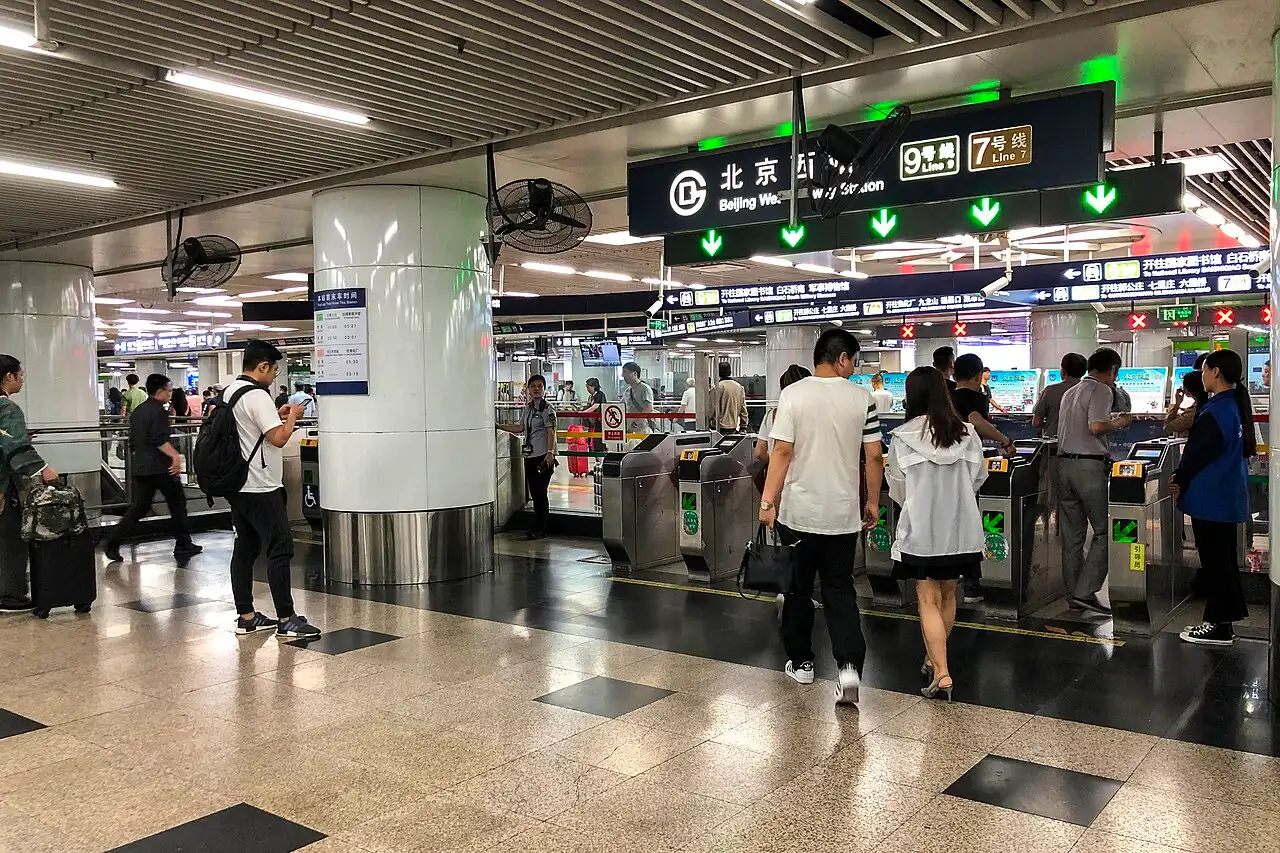
Single tickets and BEIJING PASS serve different needs
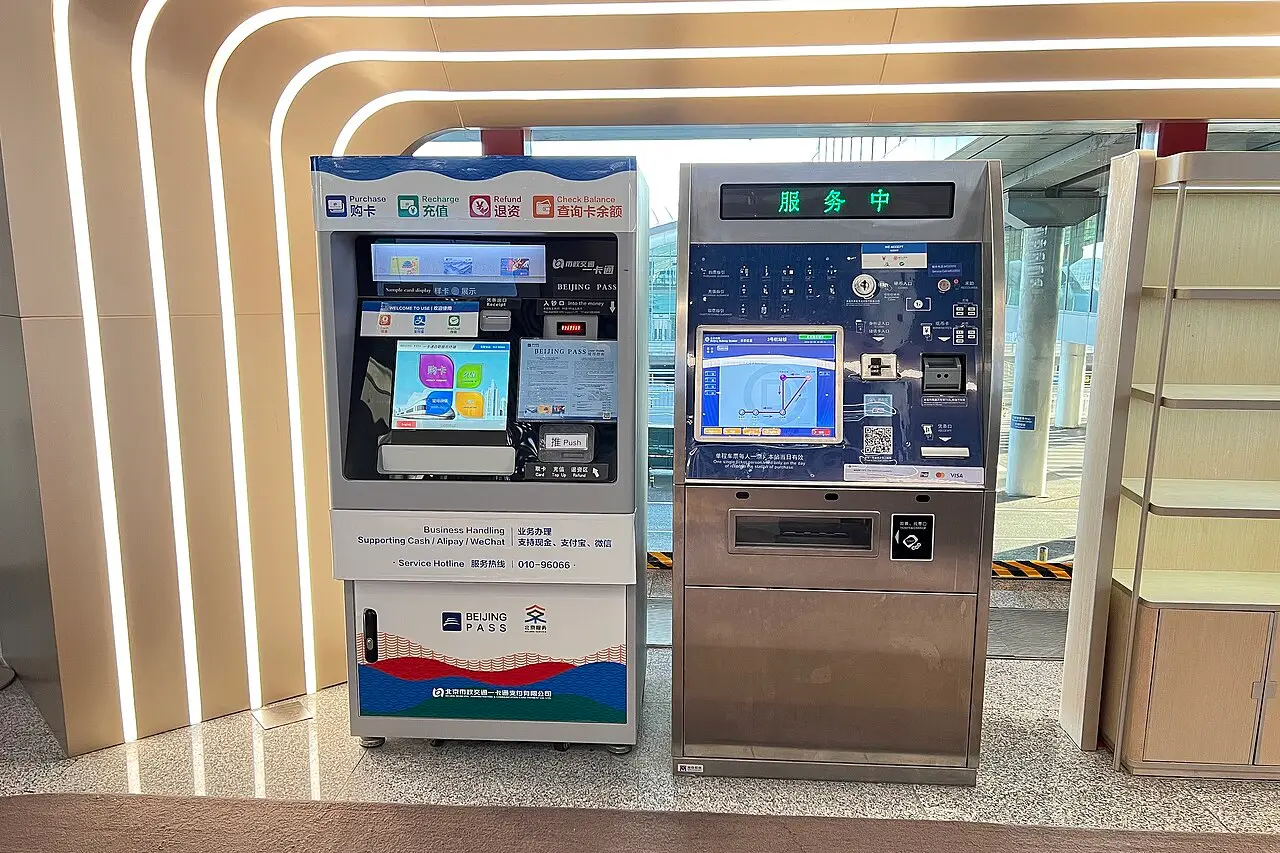
A single-journey ticket is a useful option when you’re making an occasional trip, paying for someone else or dealing with a card that the reader has declined. Buy it from the ticket machine or staffed counter for the intended destination. Keep the physical ticket throughout the trip; the exit gate collects it when you leave.
For a longer stay or repeated journeys, BEIJING PASS stores a balance that you top up. The official page checked on 15 October 2026 prices the standard physical card at ¥20, about US$3, £2.25 or €2.65 at reference rates dated 14 October 2026. Travel credit is added separately. Bring your passport when buying the card under the published process.
The card’s purchase price therefore tells you the cost of the carrier, rather than a daily travel allowance. You’ll still need enough stored value for the journeys you make. Check the balance before a trip with a fixed departure at the other end.
Beijing Subway’s rules also describe electronic unlimited tickets, a separate product from the physical card. They don’t cover the airport express lines, and we haven’t tested buying one with a foreign account, so don’t build the trip around one.
At a metro station the task is simple: one ticket or card per person, kept for the whole journey, and the same one at the exit gate.
Ordinary metro fares start with distance
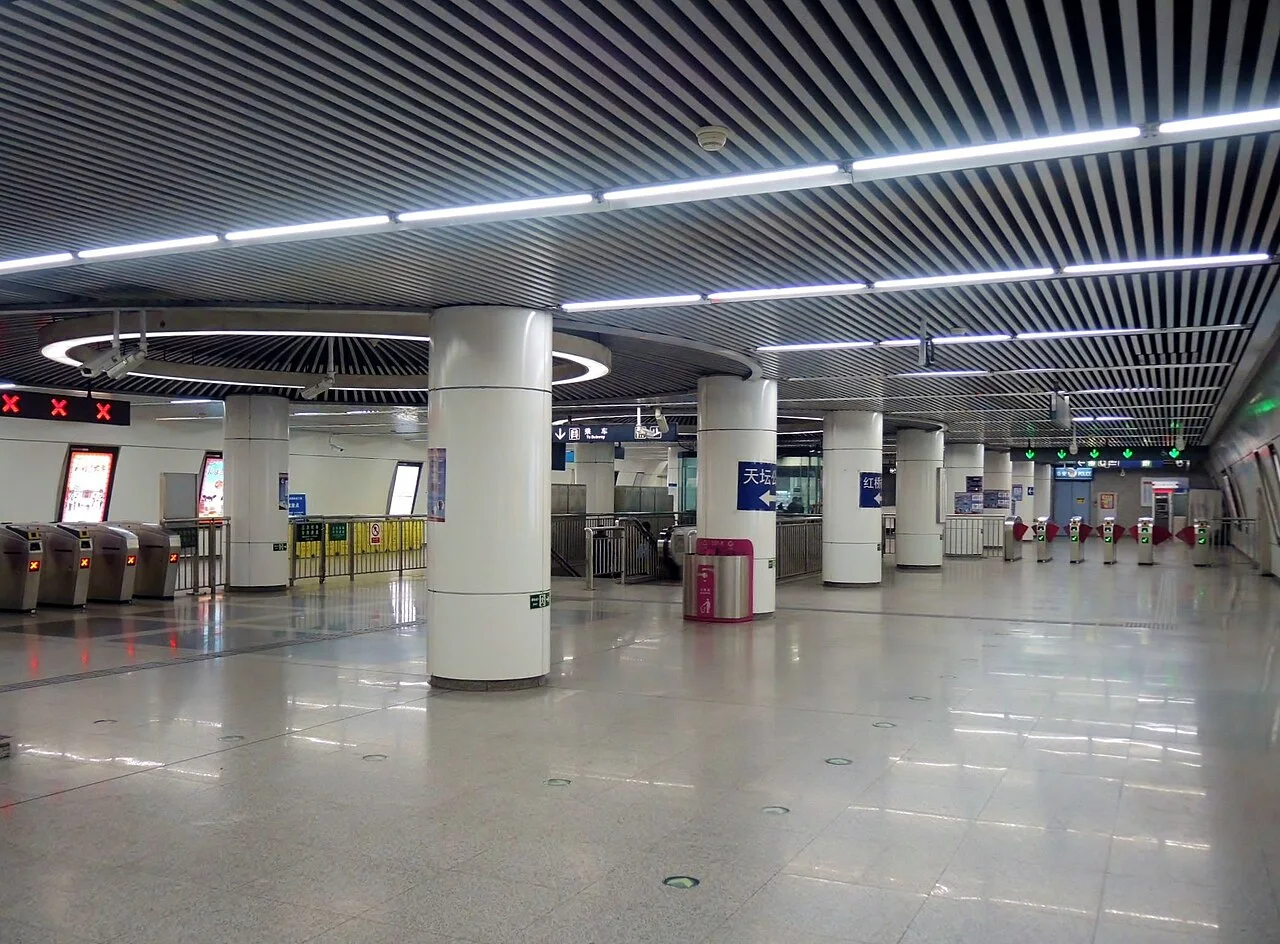
The city’s fare table dated 23 April 2025, read again on 8 November 2026, starts at ¥3 for up to 6 km (about US$0.45, £0.35 or €0.40 at ECB rates of 14 October 2026), then ¥4 up to 12 km, ¥5 up to 22 km and ¥6 up to 32 km, with ¥1 more for every further 20 km and no cap. The gate works out the fare from where you tapped in and where you tap out, and hops between the sights of the old centre sit at the bottom of that scale.
The two airport express lines have their own fares, so price that leg separately. Everything else is cheap enough that an unlimited pass rarely needs much thought: a big-sight day is often one ride out and one back, ¥6-8 in all, and four short hops at ¥3-4 come to ¥12-16. Price any unlimited product against those sums before you buy it, and remember it doesn’t cover the airport lines.
Which line for which sight
| Sight | Station | Line |
|---|---|---|
| Temple of Heaven, East Gate | Tiantandongmen | 5 |
| Temple of Heaven, West Gate | Tianqiao | 8 |
| Lama Temple | Yonghegong | 2 and 5 |
| Summer Palace | Beigongmen or Xiyuan | 4; 4 and 16 |
| Palace Museum, south approach | Tian’anmen East | 1 |
Read the full railway station name
Before setting off for an intercity train, find the complete departure station on the issued ticket. Beijing Railway Station, Beijing West, Beijing South, Beijing Chaoyang and Beijing Fengtai are separate stations. Save the map listing that matches the booking so the final metro leg leads to the right building.
Beijing North and Qinghe matter most for this site’s trips: they are the departure points for the Datong trains and the Badaling Great Wall line. The operator’s station connections give these starting points (the first five checked on 15 October 2026, the last two on the city government’s page of 25 December 2024, read on 8 November 2026):
- Beijing Railway Station: Line 2.
- Beijing West: Lines 7 and 9.
- Beijing South: Lines 4 and 14.
- Beijing Chaoyang: Line 3.
- Beijing Fengtai: Lines 10 and 16.
- Beijing North: Lines 2, 4 and 13, all meeting at Xizhimen next door to the station.
- Qinghe: Line 13 and the Changping line.
In particular, an older guide saying Beijing Chaoyang has no metro connection is a poor basis for a current journey. Use the operating map and the actual station name. Where two lines serve a station, take the one that saves you a change from where you’re starting.
Allow time after arriving at the metro station for finding the railway entrance, security and the boarding area. A route planner’s metro arrival time doesn’t include every part of reaching your intercity train. Every metro entrance also has a bag security check before the ticket gates, so add a few minutes at busy stops, and more when you’re carrying luggage to a train or the airport.
Match the airport line to the airport code
For Beijing Capital, PEK, the Capital Airport Express connects the city stations Beixinqiao, Dongzhimen and Sanyuanqiao with airport Terminals 3 and 2. Check the terminal attached to your flight and follow the train and platform signs for that destination. The metro interchange and the flight terminal are both necessary pieces of the plan.
The city’s fare notice of 23 April 2025 gives the Capital Airport Express a fixed ¥25 (about US$3.75, £2.80 or €3.35). Budget the ordinary metro portion separately when continuing beyond its city stations.
For Beijing Daxing, PKX, use the Daxing Airport Express connection at Caoqiao, where the checked information identifies Lines 10 and 19. The Daxing extension associated with Line 4 is a different line. Unlike the Capital line, Daxing has no single fare: Beijing’s tourism bureau puts the top ordinary fare at ¥35 for the full run between Caoqiao and the airport (¥50 in business class), and charges less for shorter sections. That page is undated, so the Beijing Subway app is the last word on the day.
Contactless coverage described by the city includes both airport express lines. Keep the same entry-and-exit discipline when travelling on them, while following any separate checks and instructions at the interchange. Before a late flight or an early departure, consult the current timetable for that particular service.
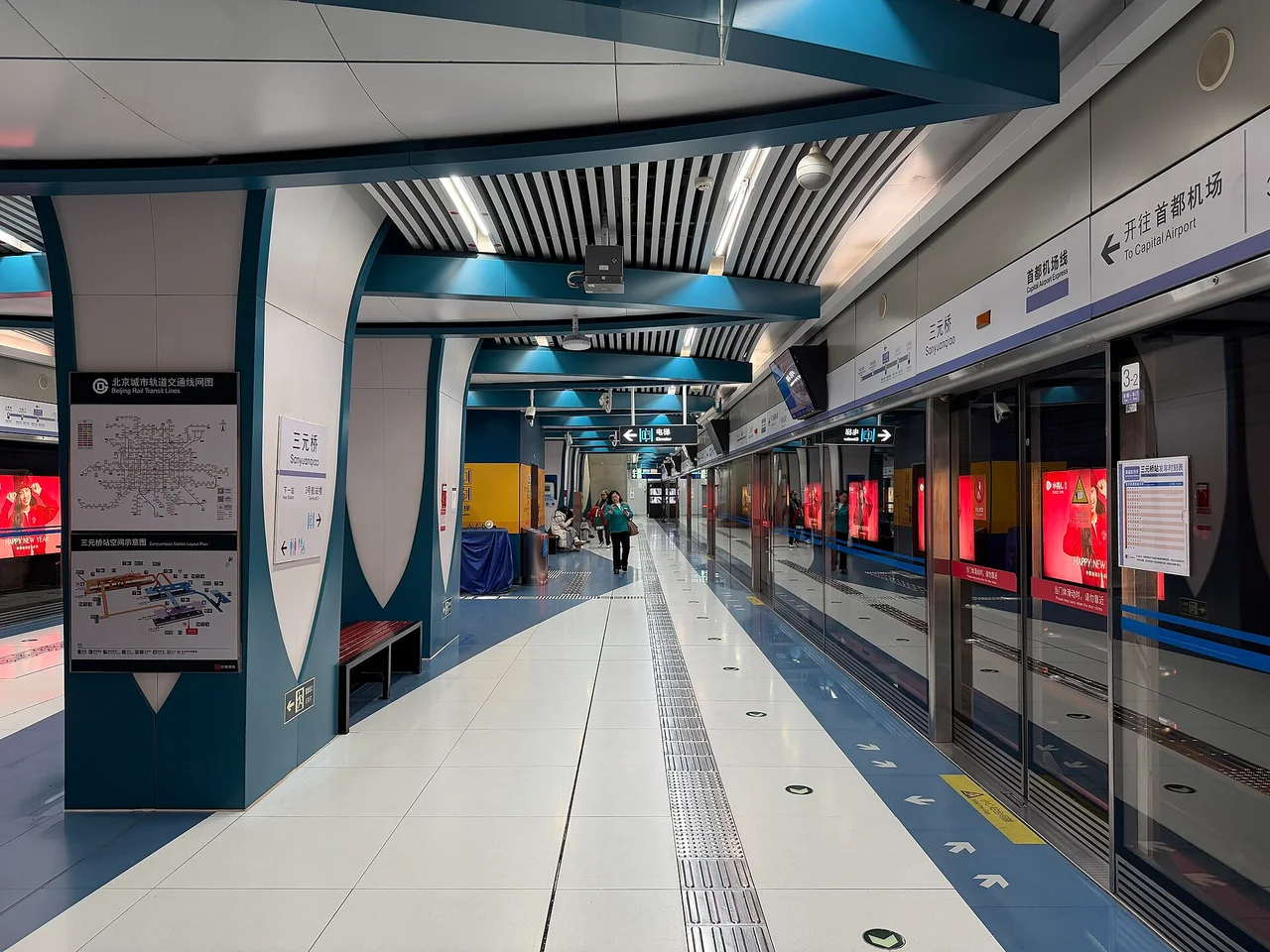
At the platform, check direction as well as colour
Once through the gate, use the line number and destination signs to identify the platform direction. Read the named stations on the sign and check that your destination lies along that direction. Colour helps locate a line on the map, but the direction is what gets you to the right end of it.
At an interchange, follow the signs for the next line while remaining on the indicated transfer route. Keep your ticket or payment medium accessible until you have completed the whole journey and exited. If you need to leave the paid area for a different service, follow the instructions there rather than assuming every connection works in the same way.
The three-day Beijing plan groups the sights so most days need only two or three rides. Once one card has worked at the gates, stick with it for the rest of the trip: it’s the one you know the gates accept.
Read also

Transport · 7 min read
Beijing to Datong Train: 1h46-2h36, ¥148-170 (2026)
Verified · 8 November 2026Beijing North to Datong South takes 1h46-2h36, second class ¥148-170 on 10 November 2026. One day works for Yungang; the Hanging Temple needs a night.

Transport · 8 min read
Beijing to Xi’an by Train: Day Seats or a Sleeper?
Verified · 7 November 2026Compare direct daytime and overnight trains, the stations each uses, passport boarding and an overnight stop in Pingyao between Beijing and Xi’an.

Transport · 7 min read
China Train Classes: Is the Upgrade Worth It?
Verified · 7 November 2026Compare second, first and business class by seating, a dated fare example, family prices and baggage rules before paying to upgrade your group.

Transport · 7 min read
Hong Kong to Guangzhou Trains: Fares and Border Checks
Verified · 7 November 2026Choose Guangzhou South or East, read dated train and fare examples, and plan passport checks at Hong Kong West Kowloon before travelling to mainland China.