
Temple of Heaven Tickets: Through Entry and Park Gates
Which ticket includes the Hall of Prayer, how to buy with a passport, and why winter last entry to the inner sights matters more than park closing.
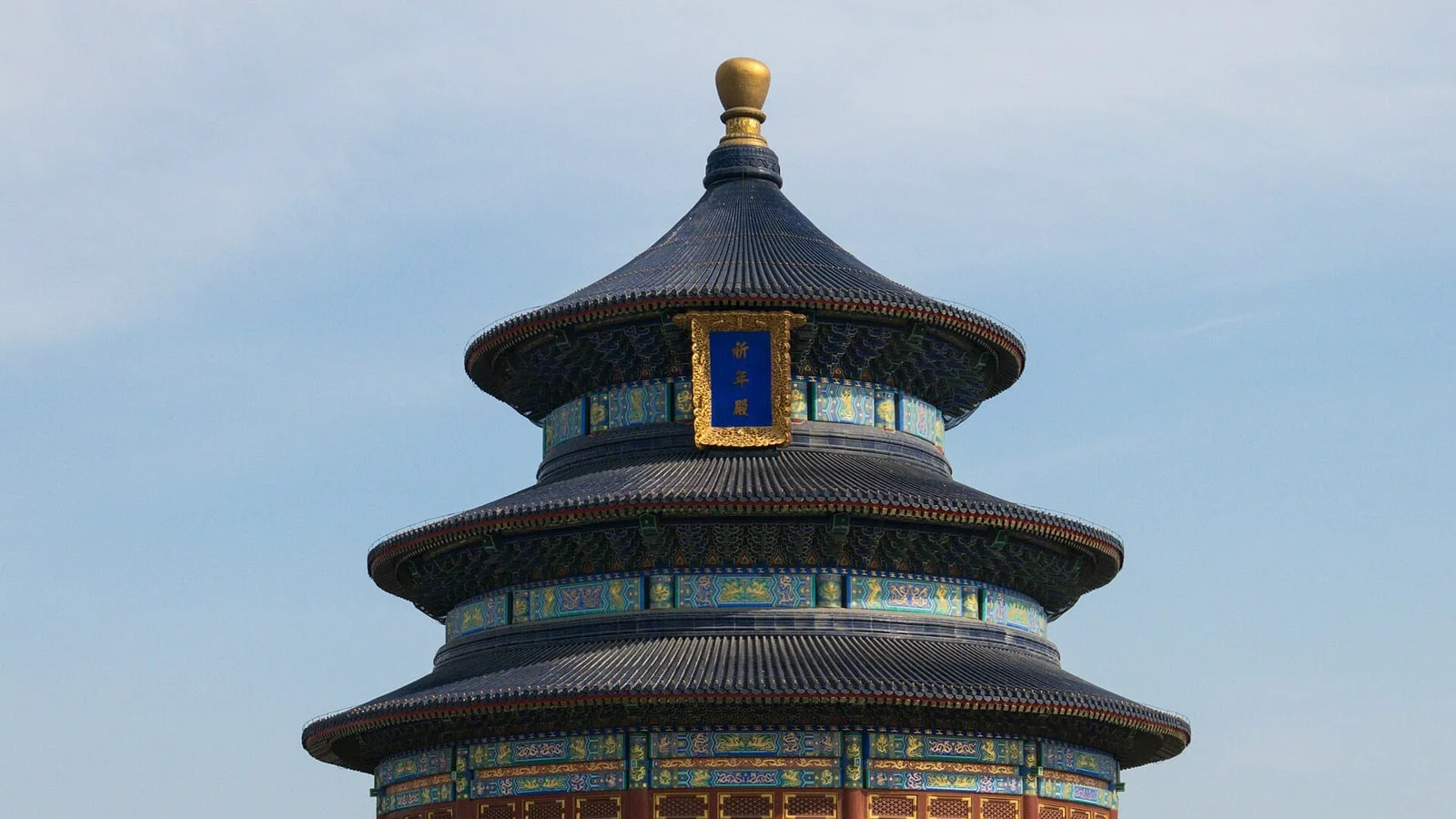
For the Hall of Prayer for Good Harvests, buy the through ticket: ¥34 from April to October, ¥28 from November to March (about US$4.20, £3.15 or €3.75 at ECB rates of 14 October 2026). The park-only ticket, ¥15 or ¥10, covers the grounds but not the monuments. In winter, reach the inner sights well before their 16:30 last entry. The park keeps letting people in until 21:00, which is how visitors end up in open gardens outside shut halls.
Prices and hours here are the operator’s and the city’s, read between 15 October and 8 November 2026.
The landmark behind the park entrance
The blue-roofed Hall of Prayer for Good Harvests is the image many people have in mind when they buy a ticket. The municipal ticket description names the park, Hall of Prayer for Good Harvests, Echo Wall and Circular Mound Altar as the through ticket’s inclusions. Use that list when comparing products whose English names vary.
Park-only admission buys a different visit. It suits time among the grounds, paths and trees, with the inner monument areas requiring the appropriate access. If the hall is your priority, say so when buying at the window and check that the product covers the area you want. Bought park-only by mistake? The operator’s tariff also lists a ¥20 sights ticket (about US$3, £2.25 or €2.65) for the Hall of Prayer, Echo Wall and Circular Mound, and the service counters inside the park can sell it, though that route costs ¥2 more than the winter through ticket.
The published standard adult through price for April-October is ¥34, roughly US$5.10, £3.85 or €4.55. The park-only ticket is ¥15 in April-October, about US$2.25, £1.70 or €2; for November-March it is ¥10, around US$1.50, £1.15 or €1.35. These are seasonal admission figures checked on 15 October 2026, rather than a guarantee of the price on a future date.
The through ticket lets you into each included area once. Step out of the Hall of Prayer courtyard for a photo from outside and you won’t get back in on the same ticket, so finish each area before moving on. Anything else on site, such as a special exhibition, goes by its own description; check a reseller’s English label against the list above.
A passport route when online verification gets in the way
Buying at the gate works the same way as at the Summer Palace: the service windows at the park gates sell both tickets to a passport holder, while the online Changyou Gongyuan channel wants a Chinese mobile number for its first identity check (details in our Summer Palace ticket guide). What’s particular here is the inner sights: they run on dated, timed tickets, and same-day places depend on capacity, so if one date matters, buy before you arrive. Advance booking for the park itself is optional.
Choose the gate that matches your journey
The operator identifies Line 5 for the East Gate and Line 8 for the West Gate (Beijing metro guide). The municipal directions name Tiantandongmen station, Exit A, for the east, and Tianqiao, Exit C, for the west.
Settle the gate before booking a guided visit too. A guide waiting at the East Gate is a long walk from a guest standing at the West Gate, so save the provider’s exact meeting point and contact details before the day.
If you’re visiting independently, decide where you would like to finish before starting the walk through the inner sights. You can then check the onward route from that side instead of automatically returning across the grounds to the entrance you used. The Beijing city guide and the three-day Beijing plan help place this visit among the rest of your days in the capital.
From the Hall of Prayer towards the southern altar
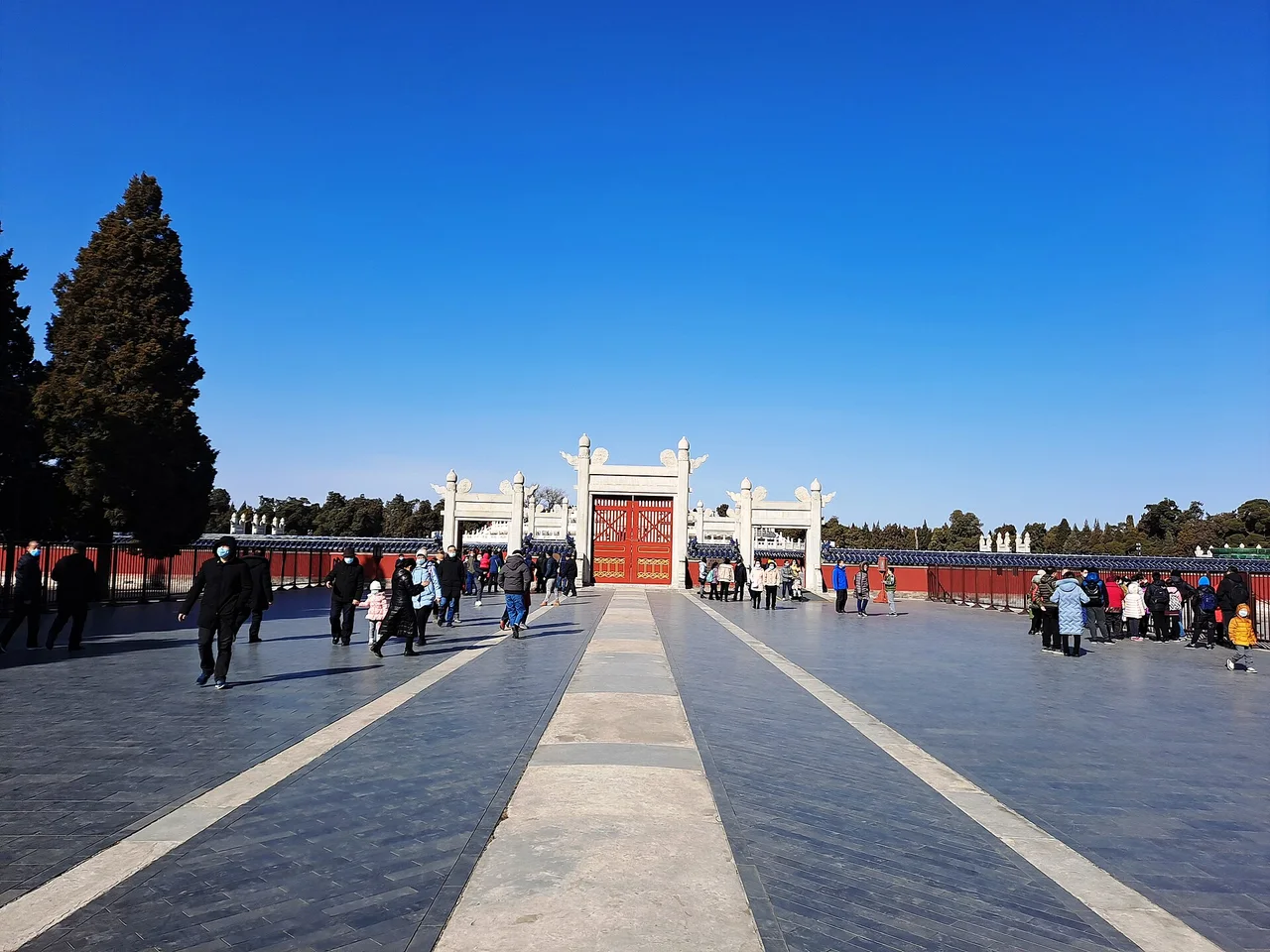
A useful route starts with the Hall of Prayer for Good Harvests, then follows the ceremonial axis towards the Imperial Vault, Echo Wall and Circular Mound Altar. This is a suggested order, adjustable to your gate, ticket session and energy. Use the operator’s visitor map to connect it with your chosen exit.
The hall was associated with spring prayers for a good harvest. Look at its circular form, layered blue roofs and white terraces before getting absorbed in taking photographs. The building makes more sense once you know what it was for, so read the hall before you photograph it.
The raised ceremonial route known as Danbi Bridge connects the northern and southern altar areas. Follow the signed visitor path and leave time for the open spaces between the main stops. A short list of buildings can make the visit look compact on a phone screen; the walk between them is part of what you’re setting out to enjoy.
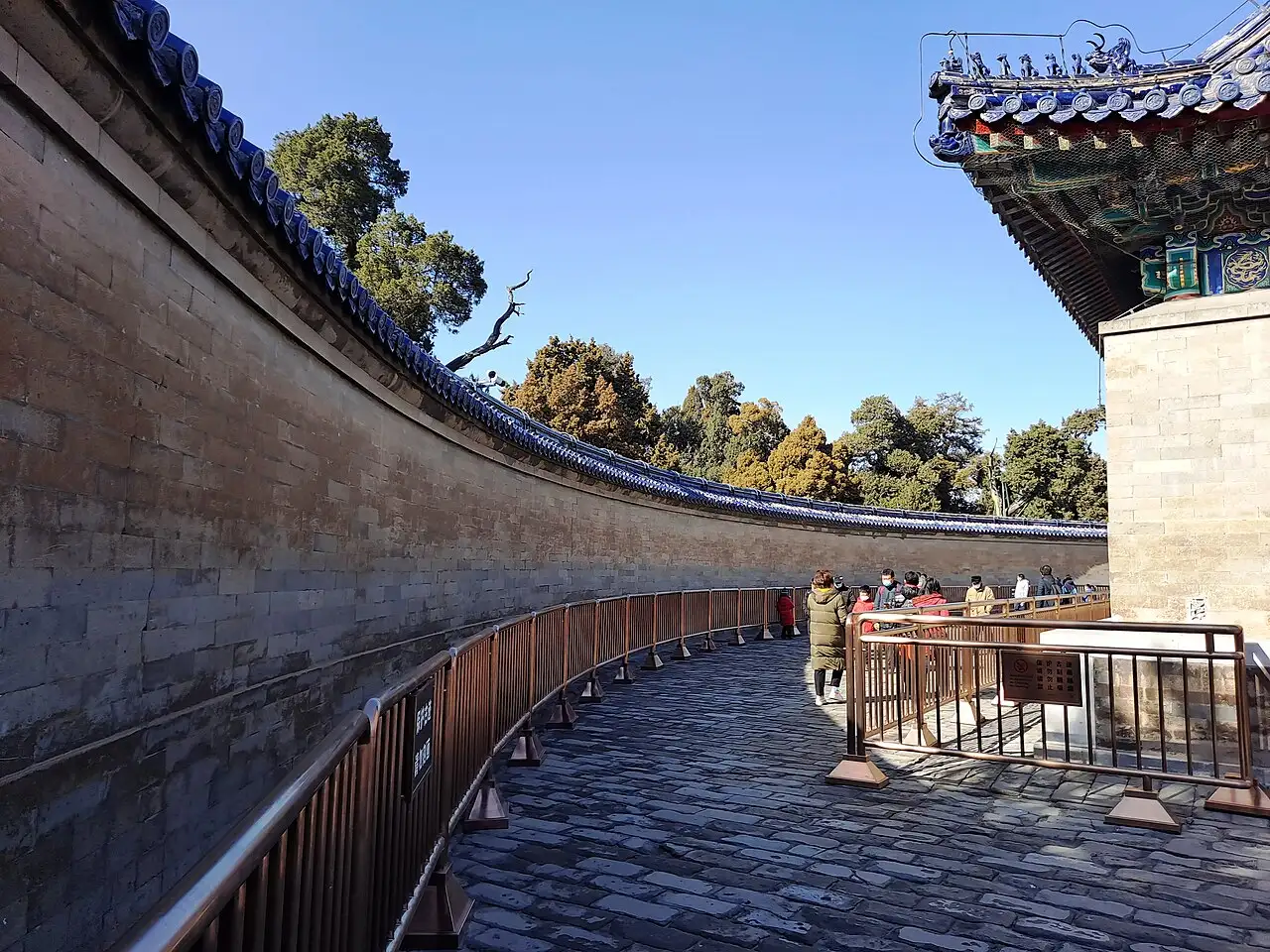
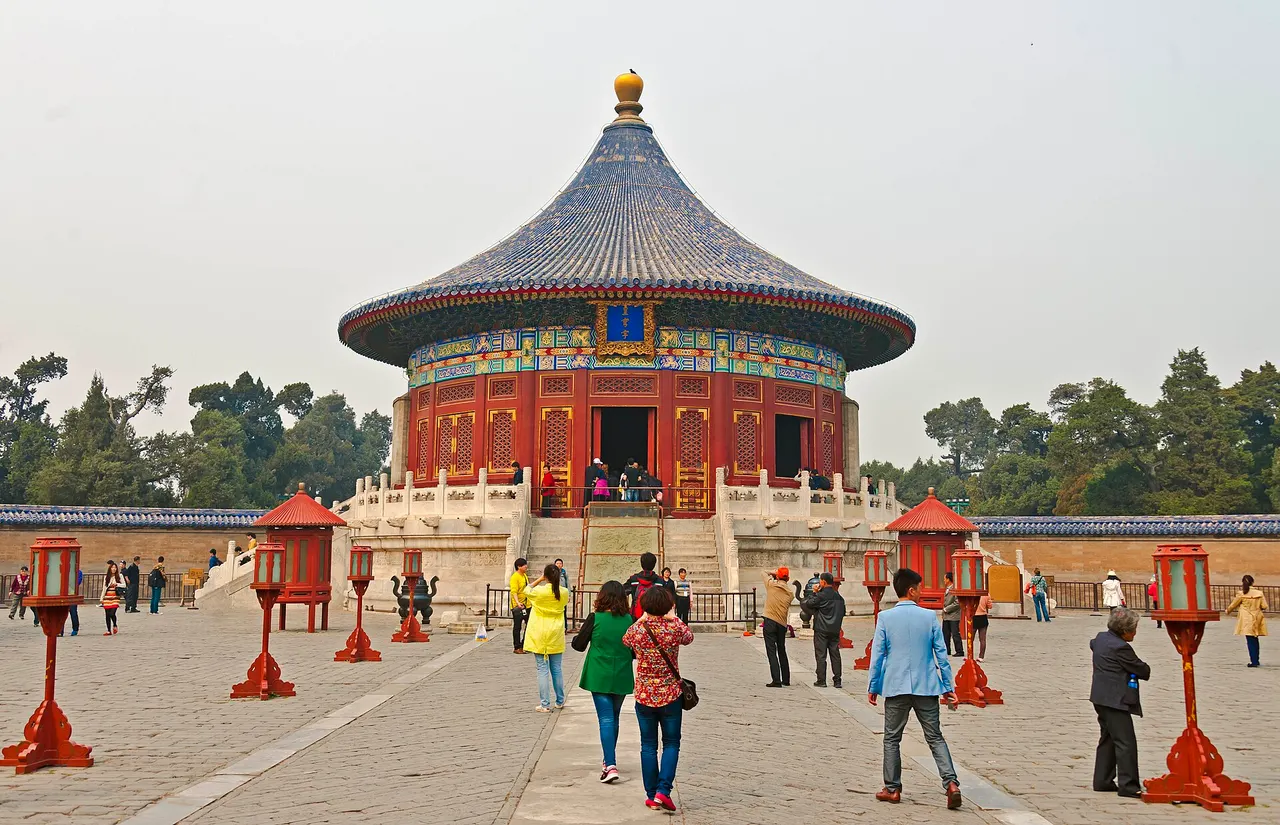
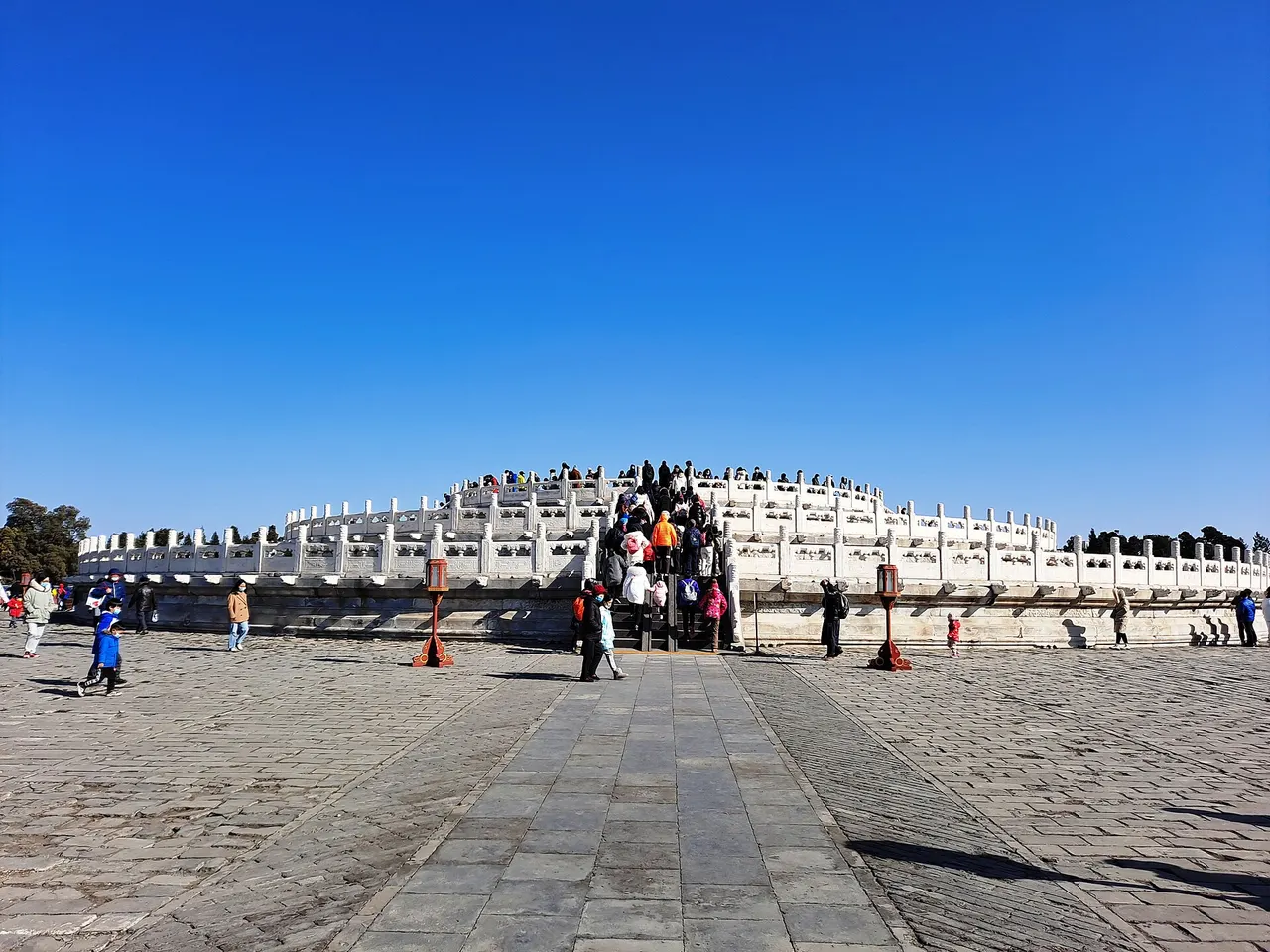
The Echo Wall surrounds the Imperial Vault’s courtyard. The vault was used for ritual tablets connected with the ceremonies of heaven. At the Circular Mound, the open-air altar tells another part of the story: it was used for the winter-solstice ceremony. The difference between a spring harvest prayer and a winter-solstice ritual gives you a thread through the visit.
For a guided visit, an interesting question to ask in advance is how the route connects the harvest ceremony with the winter-solstice altar. That gives you something substantive to compare between tours, alongside the ticket inclusions, rather than choosing by the number of stops advertised.
Mondays: grounds only
The operator’s published rule closes the principal inner sights on Mondays, except public holidays. That includes the Hall of Prayer, Echo Wall and Circular Mound areas, alongside several other historic spaces. The surrounding park follows its own timetable, so you can still plan a visit around the grounds when the applicable notice allows it.
If you’re coming for the monument areas, place this visit on a confirmed opening day. Check holiday exceptions for your actual date rather than assuming a familiar Monday rule applies unchanged. Special notices can also alter individual access, and a ticket’s name tells you less than the dated operating information.
For November-March, the published inner-area day is 08:00-17:00, with admission ending 16:30. For April-October, the corresponding published hours are 08:00-18:00, with last entry 17:30. These recurring seasonal hours were checked on 15 October 2026. Leave a useful margin before the last entrance check so you can spend time inside.
Match the route to the people walking it
The ceremonial axis is worth understanding, but you can cut it short. Decide whether the priority is the Hall of Prayer, the southern altars or the grounds, and leave the rest for another visit if the group is flagging; you don’t have to walk every path on the ticket’s list.
The operator provides a visitor map and information about assistance and accessible facilities. If stairs are a concern, ask about the particular structures and path you intend to use, naming them separately. Ask about each structure on your route by name: the answer for the park paths won’t be the answer for the Circular Mound’s white stone terraces.
The grounds open at 06:30 from November to March and at 06:00 from April to October, an hour and a half or two hours before the halls open at 08:00, with last admission at 21:00 in both seasons (the operator’s page, read 8 November 2026). That gap suits early risers: walk in at opening, spend the first hour among the park’s ancient cypresses, and be at the Hall of Prayer when it opens. Come for the evening instead and you have a park walk, not the monuments, which stop admitting at 16:30 in winter and 17:30 in summer.
Tickets and opening hours
- Ticket price
- Full adult through ticket CNY 28 November-March or CNY 34 April-October; park-only CNY 10 or CNY 15 respectively.
- Opening hours
- November-March inner sights 08:00-17:00, last entry 16:30; park 06:30-22:00, last entry 21:00. Inner sights close Mondays except public holidays.
Hours read on the operator page 8 November 2026, prices checked 15 October 2026. Temporary notices are posted at the gates.
Details checked: 8 November 2026
Read also

What to see · 8 min read
Huashan from Xi'an: Choose Your Cableway Route
Verified · 15 October 2026Huashan day trip from Xi'an: West or North cableway, what admission, bus and ride cost, and a 28-minute fast train from Xi'an North.

What to see · 8 min read
Longmen Grottoes Tickets: Follow the Four-Part Route
Verified · 15 October 2026Plan a daytime Longmen Grottoes visit with the four included areas, seasonal entry deadlines, passport booking checks and transport from Luoyang.

What to see · 8 min read
Lama Temple Beijing: Tickets, Passport Entry and Halls
Verified · 15 October 2026Adult entry is ¥25. How to buy with a passport, choose the right arrival time and follow the courtyards to the sandalwood Maitreya at Yonghegong.

What to see · 8 min read
Summer Palace Tickets: Park Entry or Combined Ticket?
Verified · 8 November 2026Compare Beijing Summer Palace admission and combined tickets, their four extra sights, winter hours and the passport route at the ticket window.