
Huashan from Xi'an: Choose Your Cableway Route
Huashan day trip from Xi'an: West or North cableway, what admission, bus and ride cost, and a 28-minute fast train from Xi'an North.
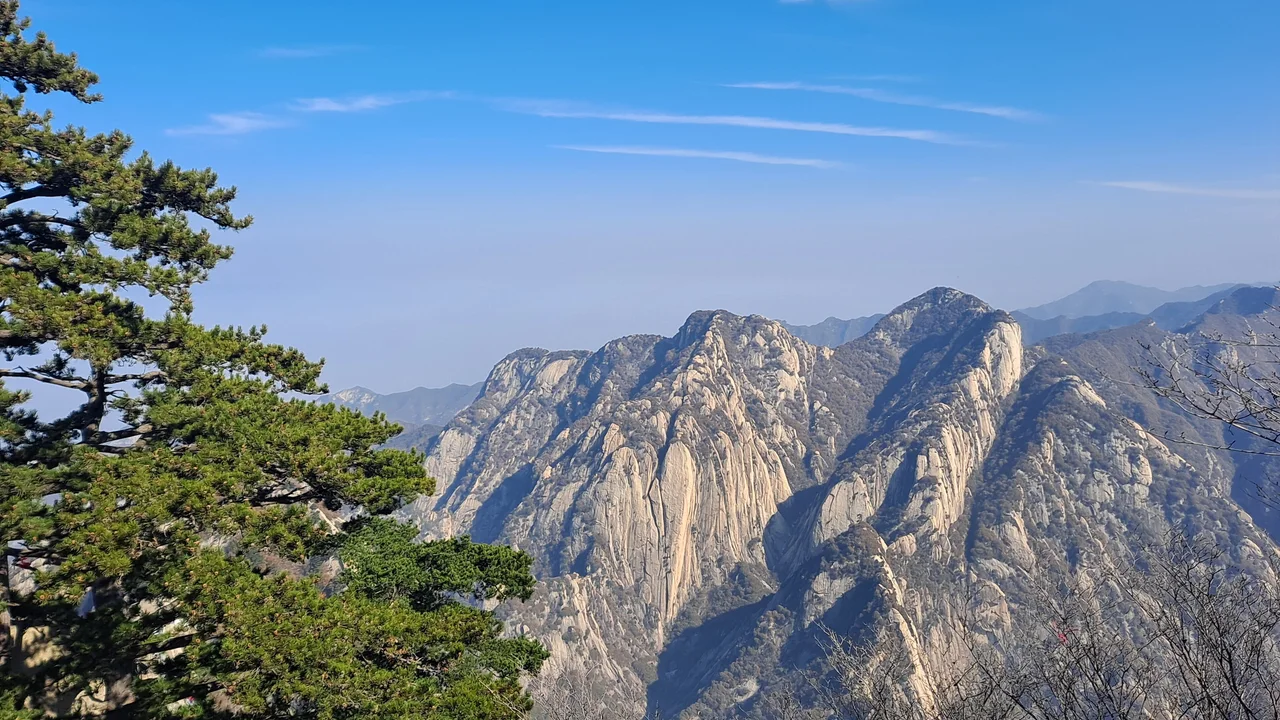
Choose your descent before buying a Huashan day trip. Taking the West cableway up and back gives you room to shorten your mountain walk; going up West and down North commits you to crossing more of the mountain. That decision affects your tickets, walking effort and the point where a driver needs to collect you.
Give Huashan its own day from Xi’an. You’ll be combining a journey out of the city, an approach to the cableway and walking on mountain paths. Keeping that day separate from the Terracotta Warriors makes the mountain much easier to plan around the weather. The Xi’an city guide and two days in Xi’an help place both excursions around your time in the centre.
Which cableway up, which one down
For a first visit focused on scenery, West up and West down is the safe default. The West cableway reaches higher terrain, so you can decide how far to walk once you see the conditions and feel the effort of the steps. Returning to the same cableway also gives your ground transport a clear collection point.
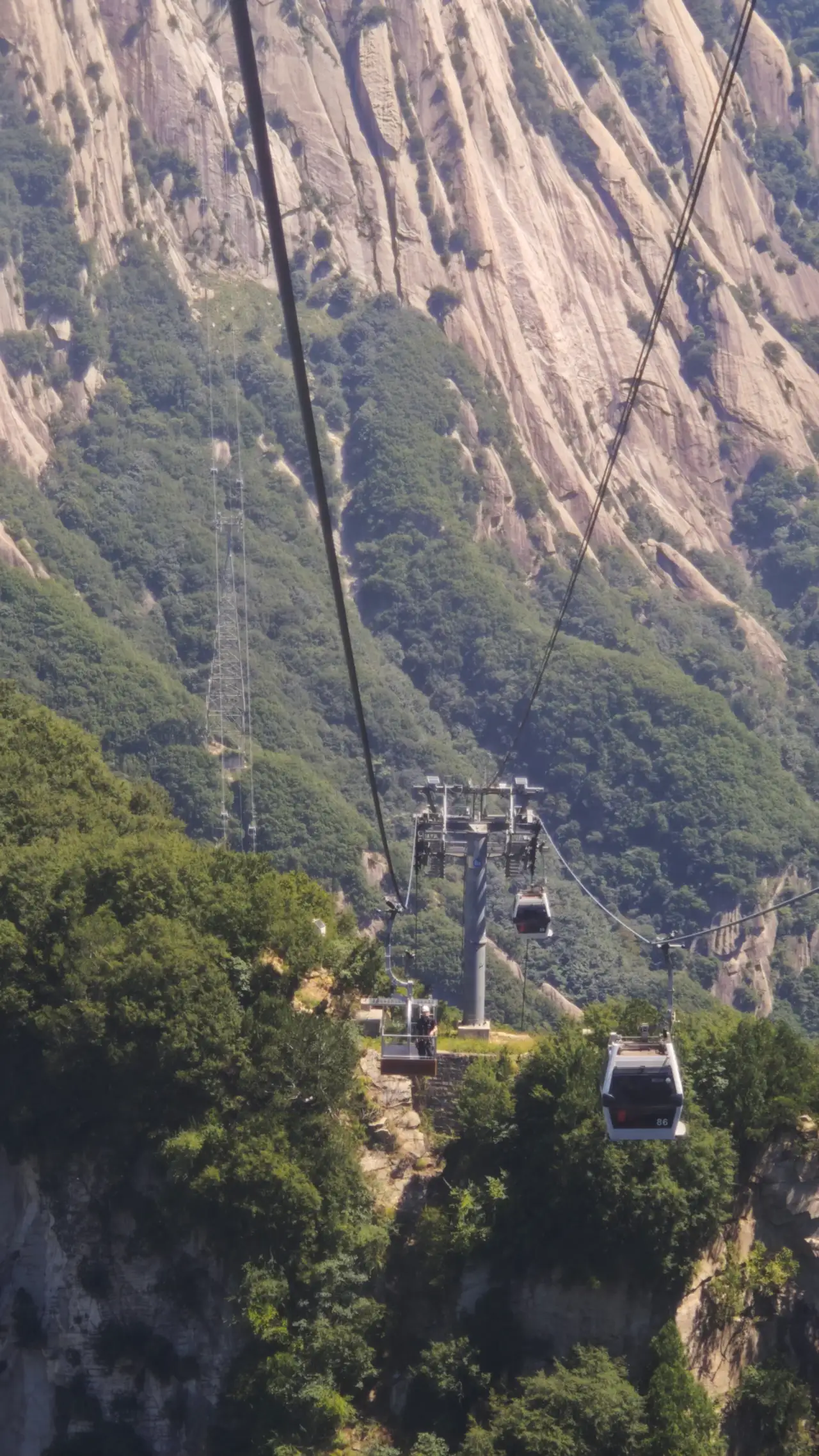
This still involves walking. A cableway takes care of a substantial part of the ascent, but the summit paths aren’t a level promenade. Tell a tour organiser about any difficulty with stairs before booking; a description such as “cable car included” says little about the walking between the photographs on its product page.
West up and North down suits a visitor who wants a longer traverse and is comfortable making the descent on foot between the cableway areas. The lower North Peak area changes the character of the outing. You save on the North cableway ticket compared with a second West ride, but that saving comes with a different walking route.
North up and North down keeps the cableway component cheaper. It makes sense if the North Peak area is enough for you or if you actively want more uphill walking. Don’t choose it purely because the headline price is lower and then assume the same upper-mountain circuit will take the same effort.
Discuss the route with staff before setting off. Open paths, your pace and the operating status of each cableway matter more than completing a fixed list of peaks. If you’re unsure about the longer traverse, a return from the same side leaves a simpler decision to make on the mountain.
Admission, bus and cableway: three separate charges
Huashan pricing has several layers. The mountain admission, road transfer to a cableway and cableway ride are distinct items. A tour that says it includes the entrance may still charge for the other components.
The operator’s guide lists ¥160 for standard adult mountain admission, the price for the March to November season. That is roughly US$24, £18 or €21, using ECB reference rates from 14 October 2026. For winter 2025/26, the scenic area’s notice set ¥100 from 1 December 2025 to 28 February 2026 (about US$15, £11.25 or €13.35); check the notice for winter 2026/27 before comparing a quotation.
The same guide lists the upward approach bus at ¥20 for the North route (about US$3, £2.25 or €2.70) or ¥40 for the West route (US$6, £4.50 or €5.35). Those figures describe getting to the cableway. Ask for the return road transfer as a separate item when checking the total.
The cableway company’s disclosure, published in September 2025 and checked on 15 October 2026, gives this seasonal structure:
| Cableway ride, one way | March to November | December to February |
|---|---|---|
| West cableway | ¥140 (US$21 / £16 / €19) | ¥120 (US$18 / £13.50 / €16) |
| North cableway | ¥80 (US$12 / £9 / €11) | ¥45 (US$6.75 / £5 / €6) |
These are the published seasonal tariffs, not this winter’s notice, so check the operator’s announcement for winter 2026/27 and again for the switch back in March 2027. A price table won’t tell you whether a cableway is running on your day.
Under that structure, two West rides add up to ¥280 in the March-November season (about US$42, £32 or €37) or ¥240 in December-February (US$36, £27 or €32). West up and North down adds up to ¥220 (US$33, £25 or €29) or ¥165 (US$25, £19 or €22) respectively. Add the ¥160 admission and the ¥40 bus up, and West up and West down comes to ¥480 a head from March to November (about US$72, £54 or €64), before the bus back down and the train from Xi’an.
When comparing a guided excursion, ask for an itemised total showing the ascent side, descent side, bus legs and admission. Include any guide fee and hotel transfers in the comparison. A lower advertised starting price is hard to interpret until those pieces match.
Huashan North station and the Visitor Centre
The fast train is the quick part of the day. On 12306’s timetable for 17 November 2026, G1844 leaves Xi’an North at 07:52 and reaches Huashan North at 08:20, 28 minutes later, for ¥56 in second class (¥88 in first; about US$8.35 and £6.30 for second). Trains run through the morning at a similar length, and in the evening the G3185 leaves Huashan North at 18:17 and is back at Xi’an North at 18:45. Those are one date’s times, read on 8 November 2026; look up your own date before fixing the day.
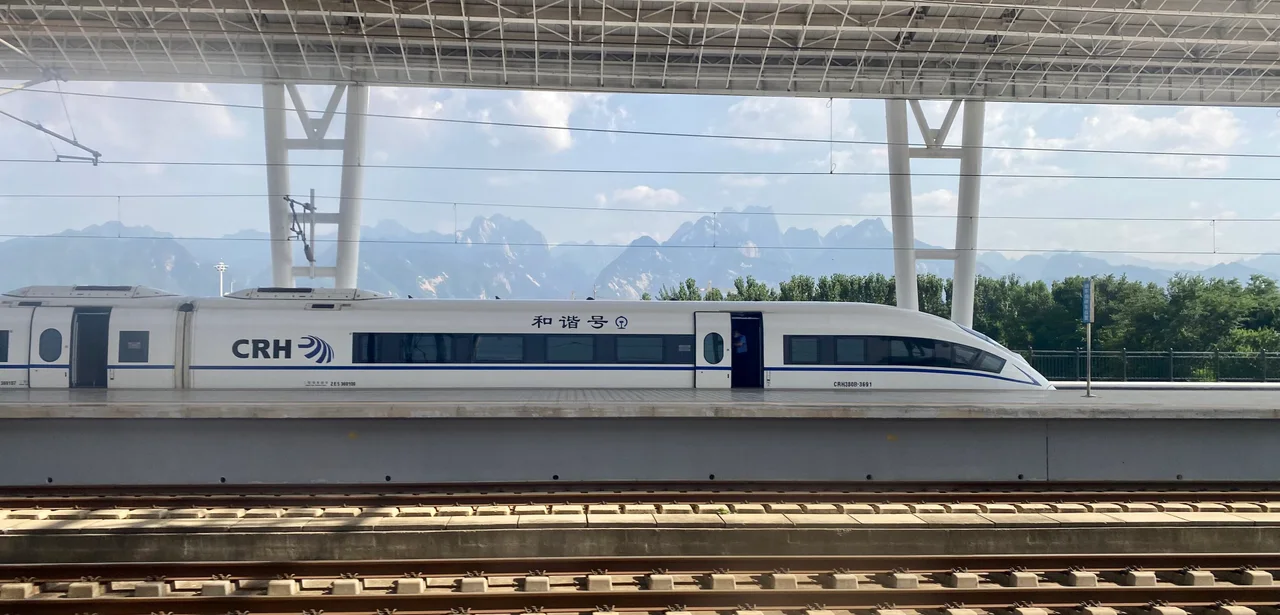
The train arrival is the start of the local transfer, not of the cableway ride. The operator’s route guide sends rail passengers from Huashan North on free bus No. 1 or No. 2 to the Huashan Visitor Centre, the entry point for the cableways. That comes from an archived copy of January 2025, because the operator’s live site didn’t load on 8 November 2026, so check at the station exit that the buses still run. The walking entrance at Yuquanyuan is a different starting point, useful for a different sort of outing.
If a driver is meeting you, agree whether that’s at the railway station or the visitor centre, and write the intended cableway beside the pickup point, especially when you’ll come down on the other side.
Pick a return train with room for the descent queue and the road transfer. On the same 17 November timetable, fast trains from Huashan North back to Xi’an North run from 17:14 until 22:26, so an 18:17 departure leaves little slack after a full mountain day, and a later one is easier to catch.
The 12306 and Trip.com booking comparison explains the rail booking choices and what you need to buy.
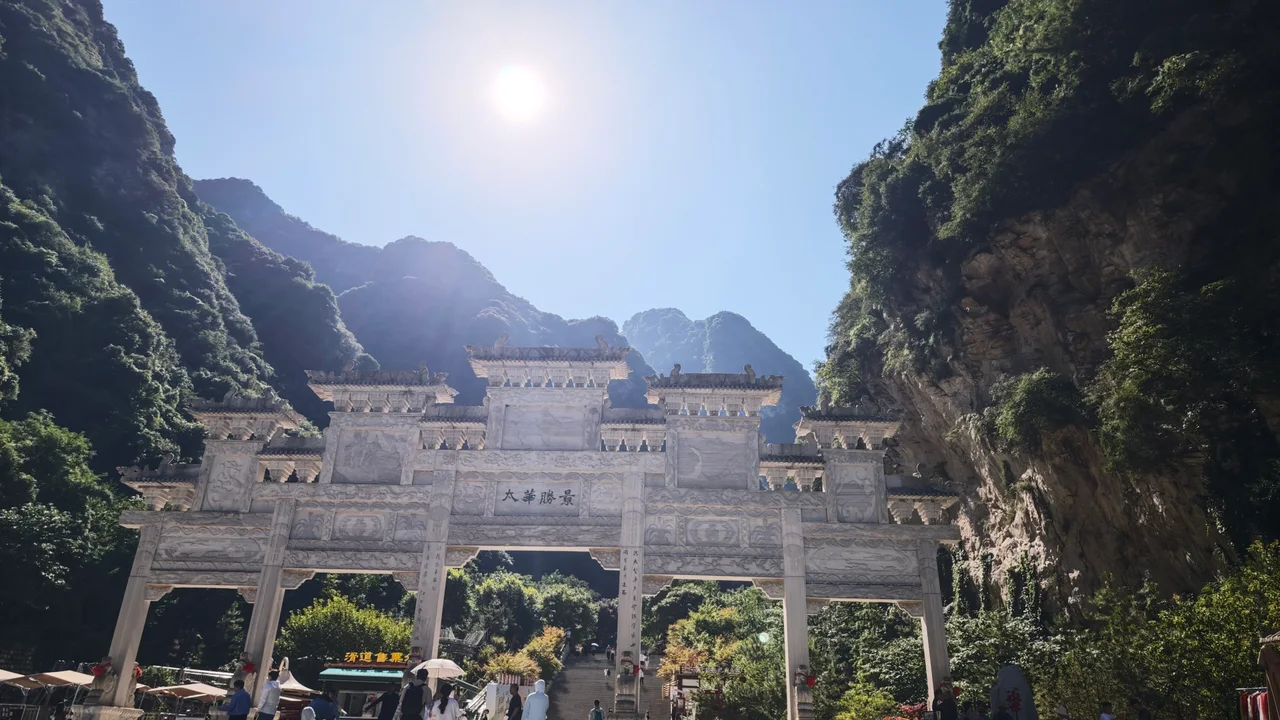
On the mountain
Look around the side you arrived on before committing to a longer circuit. From the West cableway’s upper station you’re already high on the mountain, so the views start straight away and there’s no reason to race between summit names.
Keep track of the route back to your chosen cableway. At junctions, use the current signs and staff advice rather than following a crowd whose destination you don’t know. For a West-to-North traverse, confirm the connecting path is open before leaving the West area.
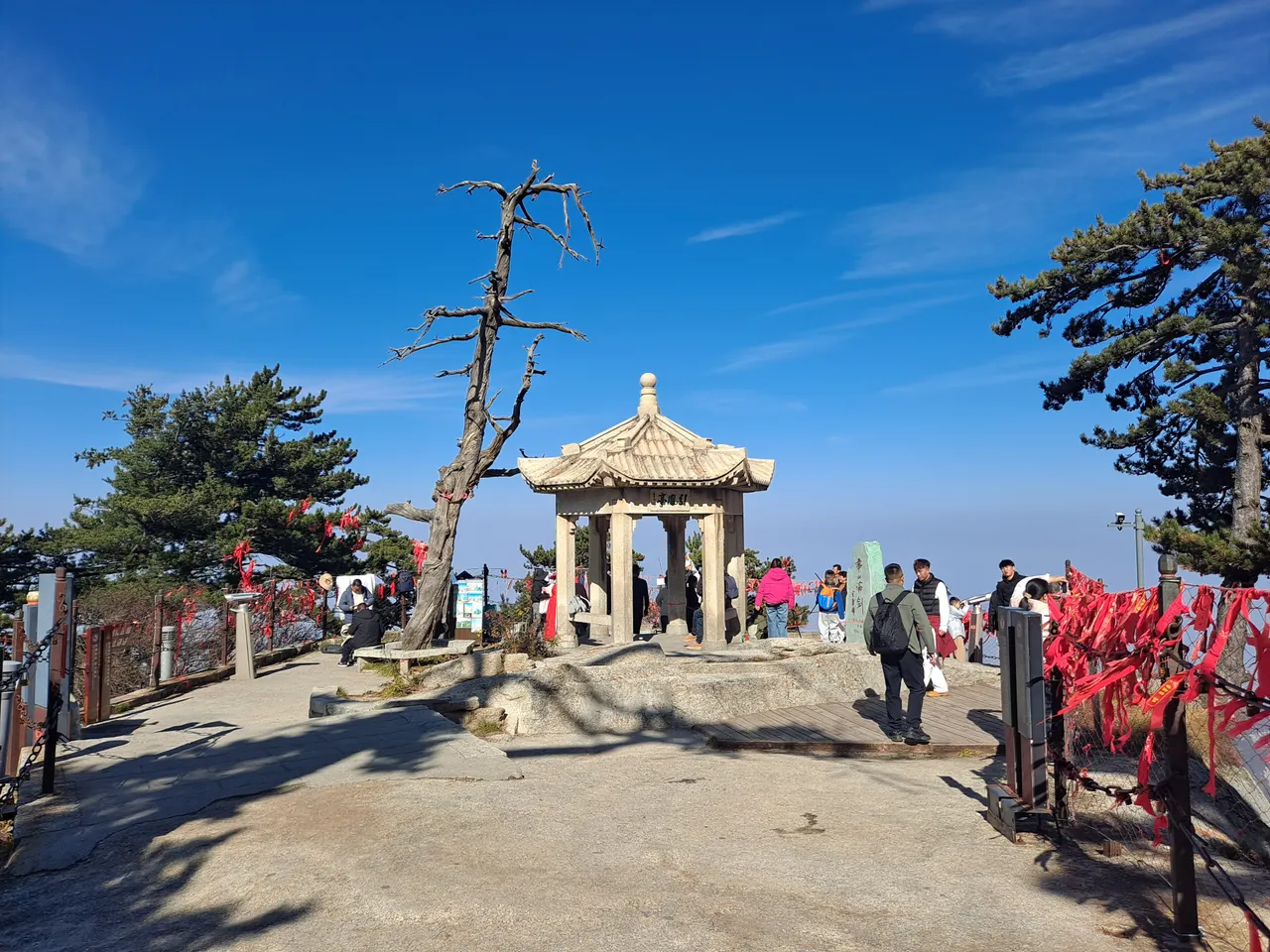
Take breaks while there’s still time to change the plan; the steps down are tiring too. Carry water, food you can reach without unpacking and a warm layer, and wear shoes with grip.
The Plank Walk and Sparrow Turn have been closed for inspection and safety upgrades since 15 September 2026, and no reopening date had been announced by 7 November 2026. If either is the reason for your trip, wait for a reopening notice before booking; a general mountain ticket or a photograph in a tour listing doesn’t mean access to that section.
At the start of the visit, establish the cableway’s operating hours for that day and the time staff recommend joining the descent queue. Work backwards from that advice. Leave room to enjoy the final views without making the return a race.
What a tour should sort out
A tour earns its price here by solving the two awkward legs: Xi’an to the Visitor Centre, and the pickup on whichever side you come down. Ask it to name the cableway up and the cableway down, to say whether admission, the buses and both rides are in the price, and whether you can ride back down West while the group walks on to North.
Ask too what happens if a cableway stops for the weather or a path is closed, read the cancellation terms before you pay, and check whether the train tickets are part of the booking or yours to sort out.
If winter 2026/27 follows the winter 2025/26 notice and the published tariff structure, admission and the cableways drop to low-season prices from 1 December, but the daylight shrinks with them. Read the new operating notice before you fix the return train, and if the forecast is poor or the paths are icy, West up and West down is the version of the day that still works.
Read also

What to see · 8 min read
Longmen Grottoes Tickets: Follow the Four-Part Route
Verified · 15 October 2026Plan a daytime Longmen Grottoes visit with the four included areas, seasonal entry deadlines, passport booking checks and transport from Luoyang.

What to see · 8 min read
Lama Temple Beijing: Tickets, Passport Entry and Halls
Verified · 15 October 2026Adult entry is ¥25. How to buy with a passport, choose the right arrival time and follow the courtyards to the sandalwood Maitreya at Yonghegong.

What to see · 8 min read
Summer Palace Tickets: Park Entry or Combined Ticket?
Verified · 8 November 2026Compare Beijing Summer Palace admission and combined tickets, their four extra sights, winter hours and the passport route at the ticket window.

What to see · 7 min read
Temple of Heaven Tickets: Through Entry and Park Gates
Verified · 8 November 2026Which ticket includes the Hall of Prayer, how to buy with a passport, and why winter last entry to the inner sights matters more than park closing.