
Dali: Where to Stay Between Cangshan and Erhai
Choose a Dali base, walk the old town, compare Gantong with Ximatan and fit a mountain or lakeshore day between the Kunming and Lijiang trains.

For a first stay in Dali, base yourself near the old town and set aside a separate day for Cangshan or Erhai. Two nights give you a useful pause between Kunming and Lijiang, with time to walk the streets after arrival and choose one larger outing. A single night can work too, if you keep the next day’s plans modest.
Pick the mountain line before you book: “Cangshan cableway” can mean Gantong, whose return fare towards the Qingbixi paths was approved at ¥100 in July 2025, Ximatan, whose top station sits at about 3,900 metres, or Zhonghe, which starts just west of the old town.
The setting explains the choice: Cangshan rises on the western side of the old-town visitor area, with Erhai towards the east. A room beside the lake and a room beside the old-town streets support different days.
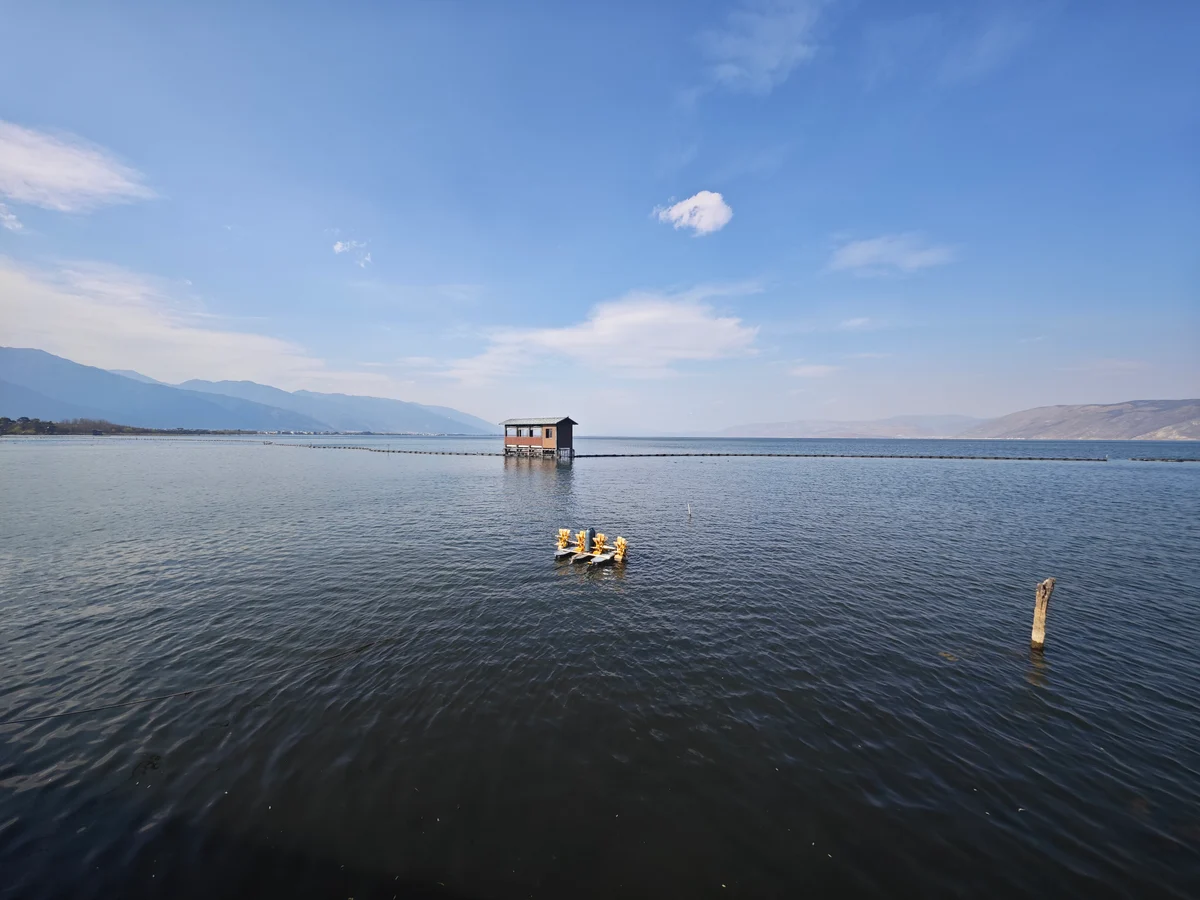
Four places to base yourself
The old town is the default: Fuxing Road and the lanes around it are on foot. The station side of the modern city sits about 19 km by road from the old town, so a room described as “near Dali station” won’t be a walk from the old streets. It earns its place only when you have a very early train. Xizhou, about 20 km north of the old town by road, and Shuanglang, about 51 km away on the north-eastern shore, put the lake at your door and the old town a booked car ride away. Ask your accommodation how long the drive takes at the time of your train before you book.
For two nights, stay in the old town and visit the lake as a day out. A move between bases adds one more packing and pickup to a visit already bookended by trains. Still choosing between the two towns? Dali vs Lijiang sets them side by side.
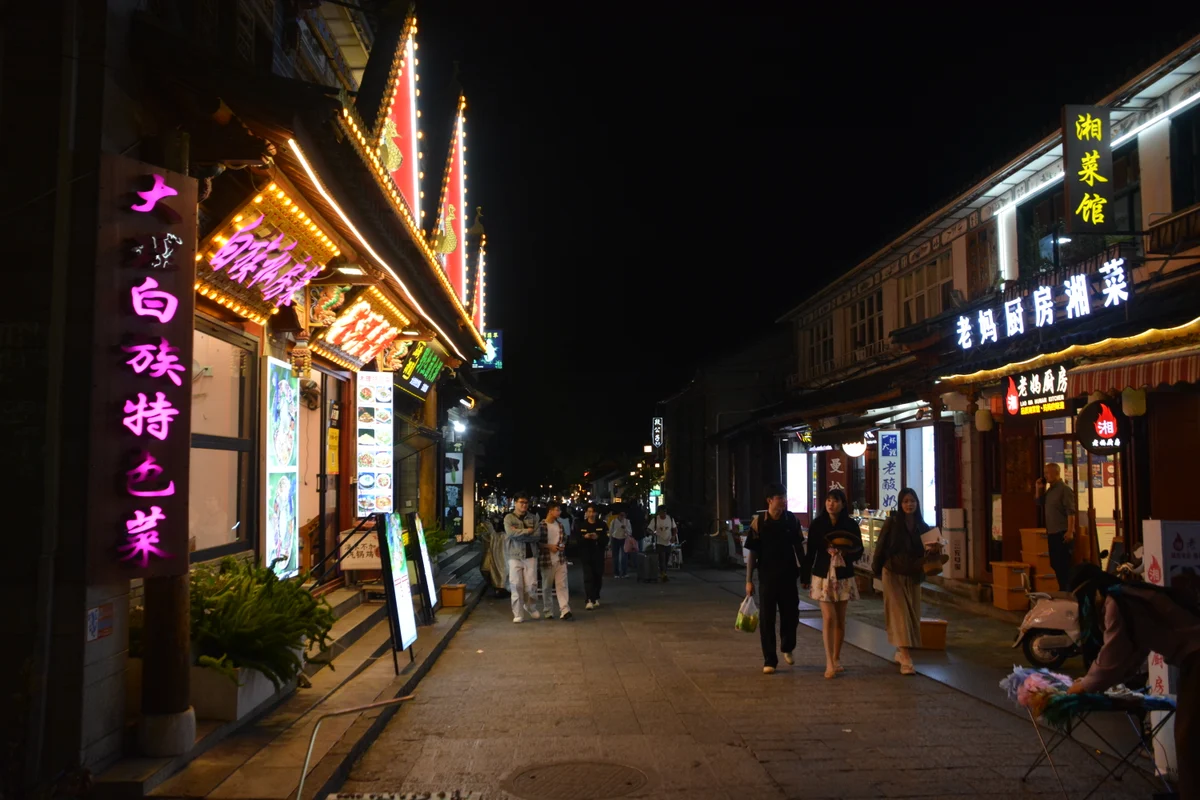
Follow Fuxing Road, then leave the main line
Make Fuxing Road the spine of an introductory old-town walk. The operator’s description places it along the north-south direction, with Huguo Road running across the street pattern. Start by locating those names and the gates; then you’ll have a simple way to orientate yourself as you turn into smaller streets.
Look for the relationship between the street and the courtyards behind it. A gate or shopfront can conceal a quieter interior, while water channels and the shape of the lanes give the walk something to follow beyond shopping. Enter courtyards that clearly welcome visitors, and ask before photographing a private interior.
Keep the first walk flexible. If you’ve just arrived from Kunming, a loop through the streets and back to your accommodation is enough to begin understanding the town. Choose a place to pause along the route, then leave the more organised visits for when you know the next day’s weather and transport arrangements.
The operator counts restored gates as part of the townscape, so an old-looking gate isn’t necessarily an old one. Read a building’s own information when its history interests you.
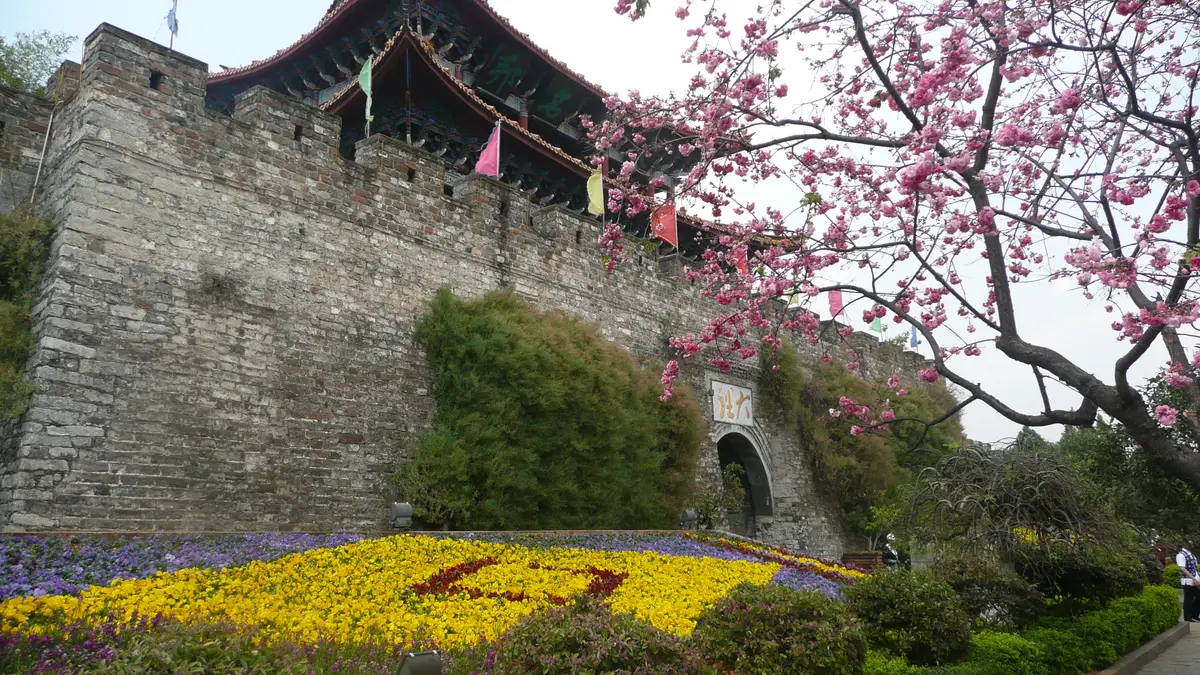
Three Pagodas, two kingdoms
At Chongsheng Temple’s Three Pagodas, look first at the differences in shape. The main Qianxun Pagoda has a square plan, while the smaller pair are octagonal. Dali’s municipal description dates the main tower to the Nanzhao period during the Tang era, and the smaller towers to the Dali Kingdom during the Song era.

Compare their outlines, the repeated eaves and the way the group is arranged. You’ll have more to look for once you recognise that the towers belong to different phases.
The same municipal account records the reconstruction of Chongsheng Temple in 2006. Separate the historic pagodas from the restored temple complex when reading the site. The ticket price and opening hours for the temple aren’t covered here: use the attraction’s own notice on the day.
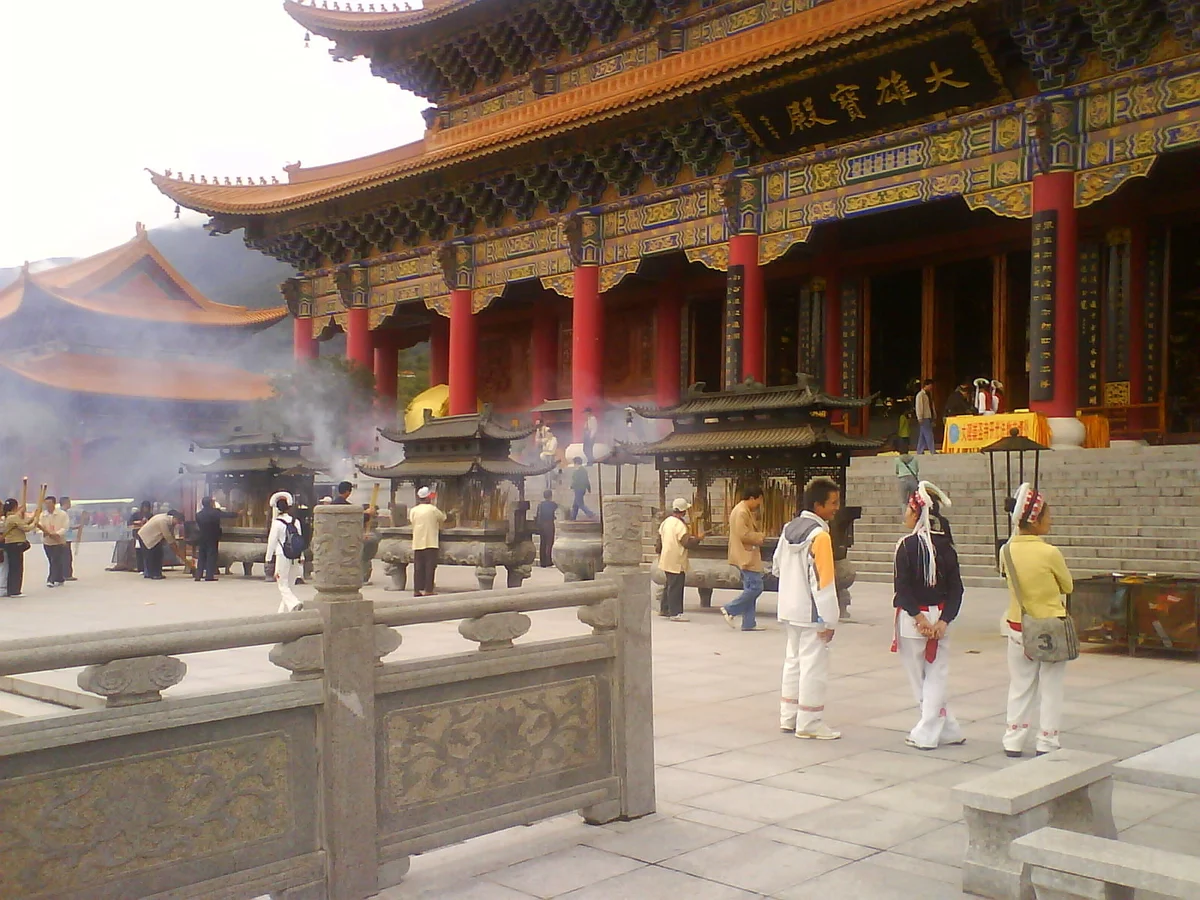
Cangshan: Gantong or Ximatan
Three cableway names come up when you start looking at Cangshan tickets: Gantong, Ximatan and Zhonghe, which starts just west of the old town. This guide compares the first two. Pick the route before comparing prices, and ask which cableway sections and paths will be open on your visit date. Each named route leads to a different mountain experience.
Gantong is the option to investigate for the Qingbixi area and the authorised paths around it. The prefecture’s Spring Festival 2026 visitor notice lists Gantong, the Qingbixi path and a section of the Yudai road towards Taoxi Bridge as separate approved directions. Use the current visitor map and opening notice to decide how far to walk and how you’ll return.
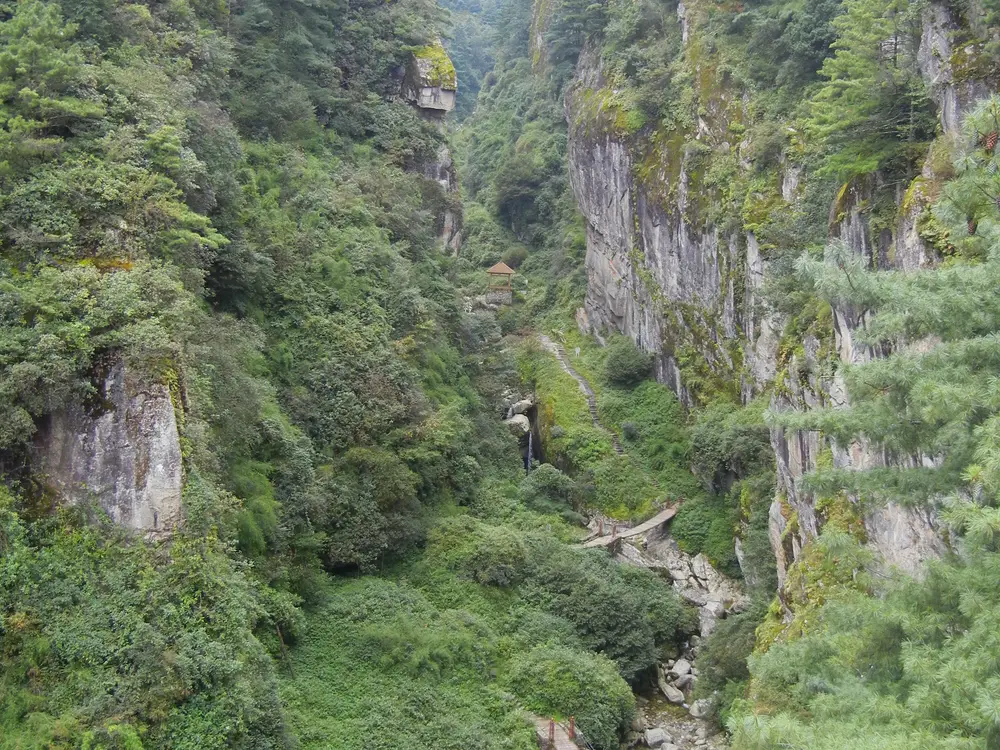
A decision by Dali’s development and reform bureau, signed 25 July 2025, checked on 15 October 2026, approved Gantong’s ordinary cableway fare at ¥65 one way and ¥100 return, about US$9.70/£7.35/€8.65 and US$14.95/£11.30/€13.35 respectively at reference rates dated 15 October 2026. Children up to 1.2 m tall ride free, and those from 1.2 to 1.4 m pay ¥35 one way or ¥50 return. The decision required a month of public notice before implementation. Confirm the product on sale and any separate admission charge before paying; these figures are the approved cableway fare, not a checkout price.
Ximatan is a different outing. The operator describes a route from the Tianlong Babu film-town area, through the Qilongnu intermediate station, to an upper station at about 3,900 metres above sea level. That height belongs to the upper cableway station. Ask whether the upper section and the visitor boardwalk are running on your day. It’s high enough for altitude to matter if you flew in from sea level a day or two earlier: move slowly at the top, turn back if you get a headache or feel breathless, and ask your doctor before the trip if you have a heart or lung condition.
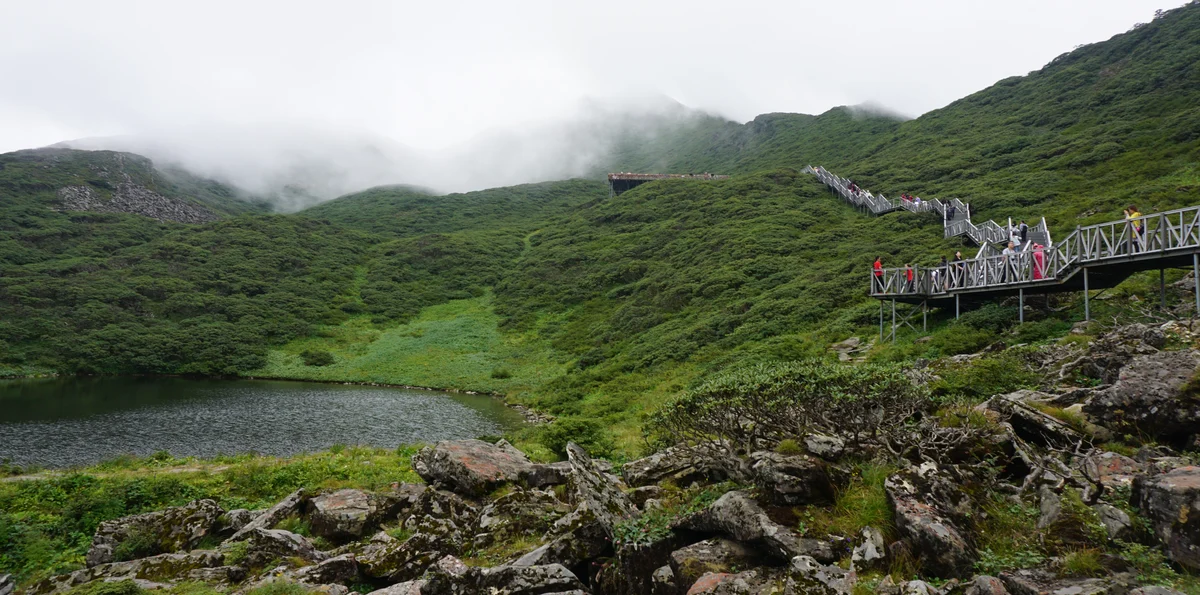
For either route, keep the mountain day flexible until you’ve checked conditions. Take the permitted paths, note the current descent arrangements and make a shorter route an acceptable outcome. A decision to turn back can preserve the rest of the day for the town or lakeshore.
Erhai: pick one stretch
Treat Erhai as a place to spend time, with a clear start and return. For a short stay, pick one stretch of shore (Xizhou on the north-west side or Shuanglang on the north-east, as above) and walk it, rather than driving a complete circuit made mainly of stops.
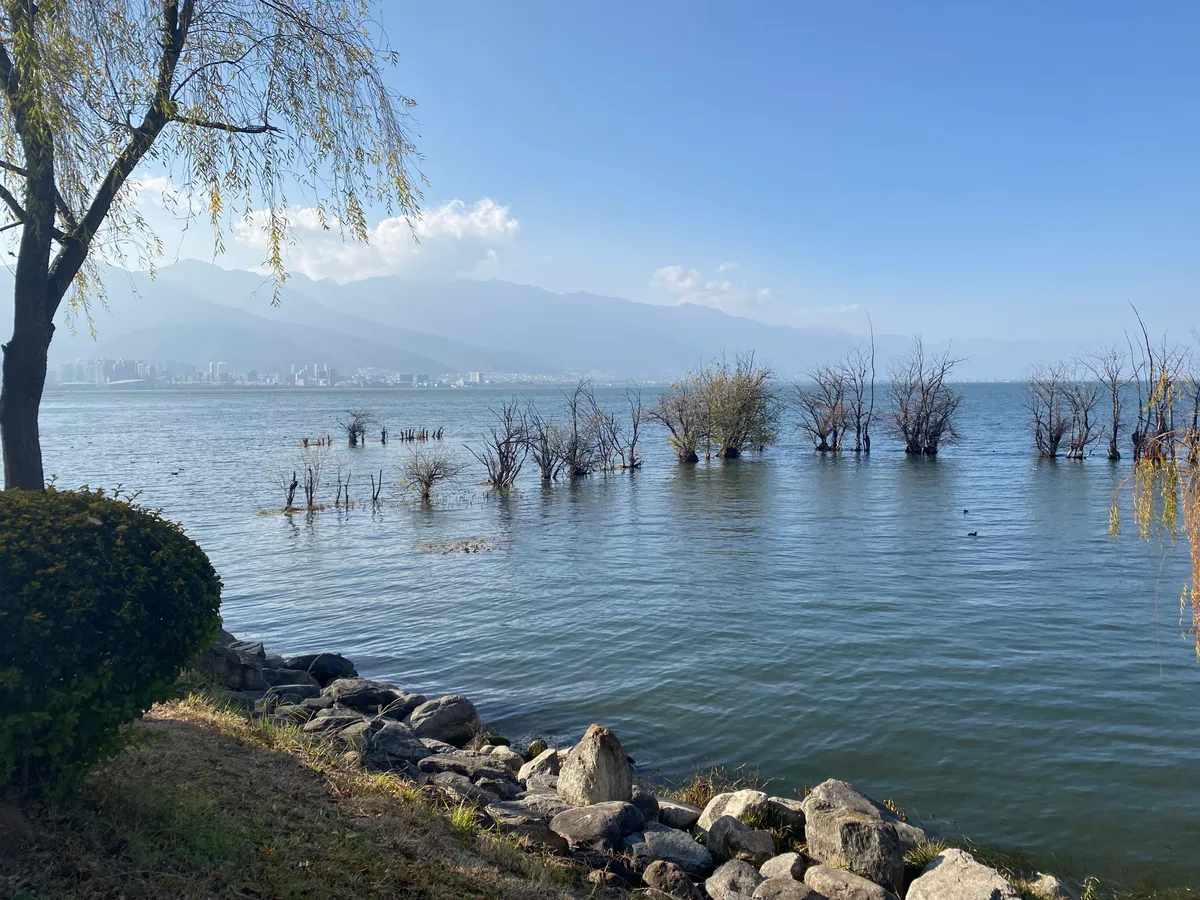
For a boat trip, get the departure pier, arrival pier and included stops in writing before you compare prices, and make sure the return suits your hotel if the boat finishes somewhere other than where it started.
With two nights, a workable rhythm is the old town on the arrival afternoon, the full middle day for Cangshan or Erhai, and the Three Pagodas or another short walk on the departure morning. Choose fewer places if the train times leave less room.

Fit the trains around the stay
Dali sits on the railway between Kunming and Lijiang, so a stop here means two separately booked legs: Kunming or Kunming South to Dali, then Dali to Lijiang on the day you choose. Our Kunming to Lijiang train guide has dated times and fares for both legs, and the Lijiang guide picks up after the stop. Keep the departure morning light if you’ve chosen an early train, and agree on luggage storage if you’d like to explore after checkout.
Ask for a meeting point you can recognise
Before arrival, send the accommodation your train details and ask: “Where should the car stop, and how do I reach your entrance from there?” Save the reply with the address and a map pin. The China travel apps guide covers tools for maps, rides and communication.
Read also

Cities · 8 min read
Hangzhou in Two Nights: West Lake, Tea and Lingyin
Verified · 15 November 2026Stay by West Lake, choose a tea-museum campus and plan Lingyin around its reservation rules. A Hangzhou stop with time beyond a Shanghai day trip.

Cities · 8 min read
Zhangjiajie: City Centre or Wulingyuan as Your Base?
Verified · 15 October 2026Choose a Zhangjiajie base around your park gate, railway station and luggage, with separate plans for Wulingyuan forest visits and Tianmen Mountain.

Cities · 9 min read
Yangshuo: Where to Stay for Town, Yulong and Xingping
Verified · 15 November 2026Choose a Yangshuo base for town walks, Yulong River outings or Xingping, with separate park tickets and plans for the day after a Li River cruise.

Cities · 10 min read
Pingyao: An Overnight Stop Between Beijing and Xi'an
Verified · 15 October 2026A night in Pingyao: merchant courtyards, city walls, ticket rules, the right railway station and two separate temples between Beijing and Xi'an.