
Lijiang Travel Guide 2026: Old Town and Snow Mountain
Three days in Lijiang: the Old Town at 2,400 m and its ¥50 fee, booking Jade Dragon Snow Mountain's cable car, Tiger Leaping Gorge, where to stay, trains.
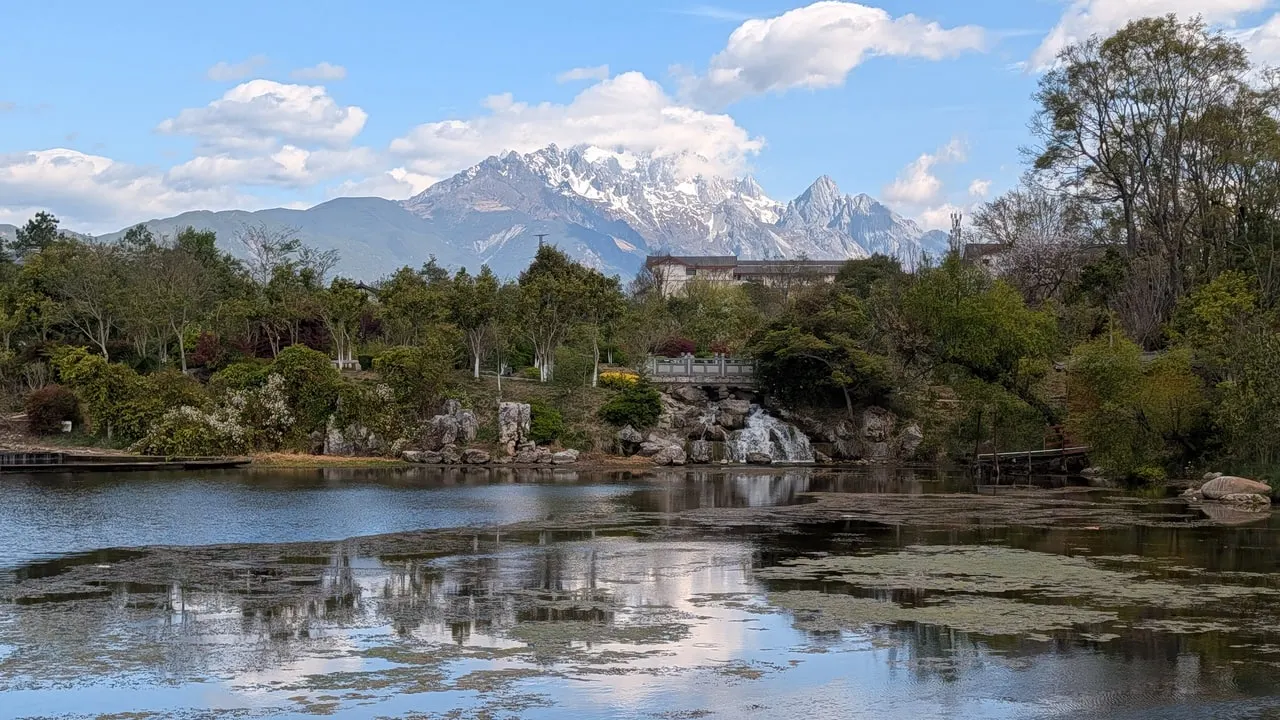
If an older guide tells you to fall back on the Yak Meadow cable car when Jade Dragon Snow Mountain’s glacier tickets run out, cross that off: the line stopped on 4 March 2026 for a rebuild, and its operator expects the new one in 2028. That leaves two cable cars, and the glacier one, which tops out at 4,506 metres, is sold seven days ahead in a WeChat mini programme, with one purchase per ID every 90 days, so book it the moment your dates are fixed.
Plan a three-day stay around that booking. Spend the first day in Dayan Old Town and at Black Dragon Pool, at 2,400 metres, so the mountain comes second, after a night at altitude, and keep the third for the villages of Shuhe and Baisha or a long day out to Tiger Leaping Gorge.
Dayan Old Town and the water that runs through it
Lijiang’s Old Town has been on UNESCO’s World Heritage List since 1997, and it’s three places, not one. Dayan is the town most people mean; Baisha, 8 km north, and Shuhe, 4 km north-west, are the other two parts. From the 12th century Lijiang was a trading town between Sichuan, Yunnan and Tibet, where the southern Silk Road met the old Tea and Horse Roads, and the Naxi, Han, Bai and Tibetan ways of building ended up side by side in its timber houses.
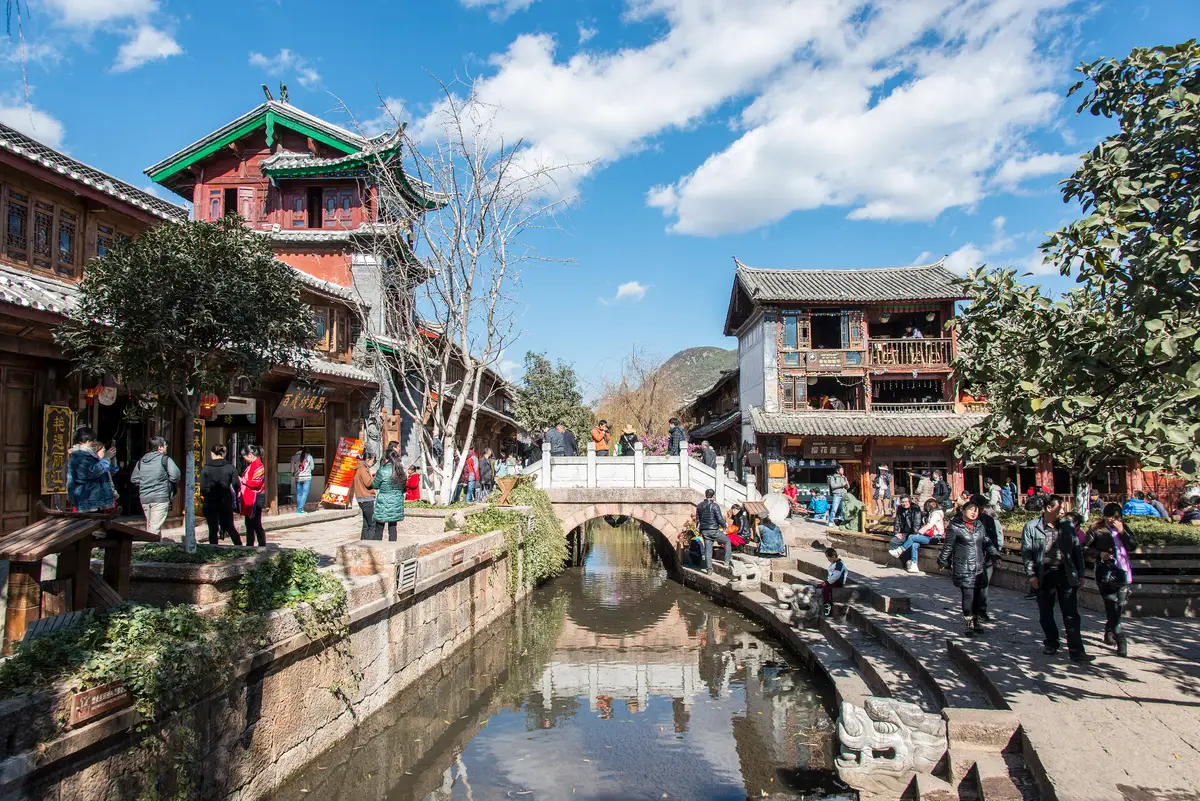
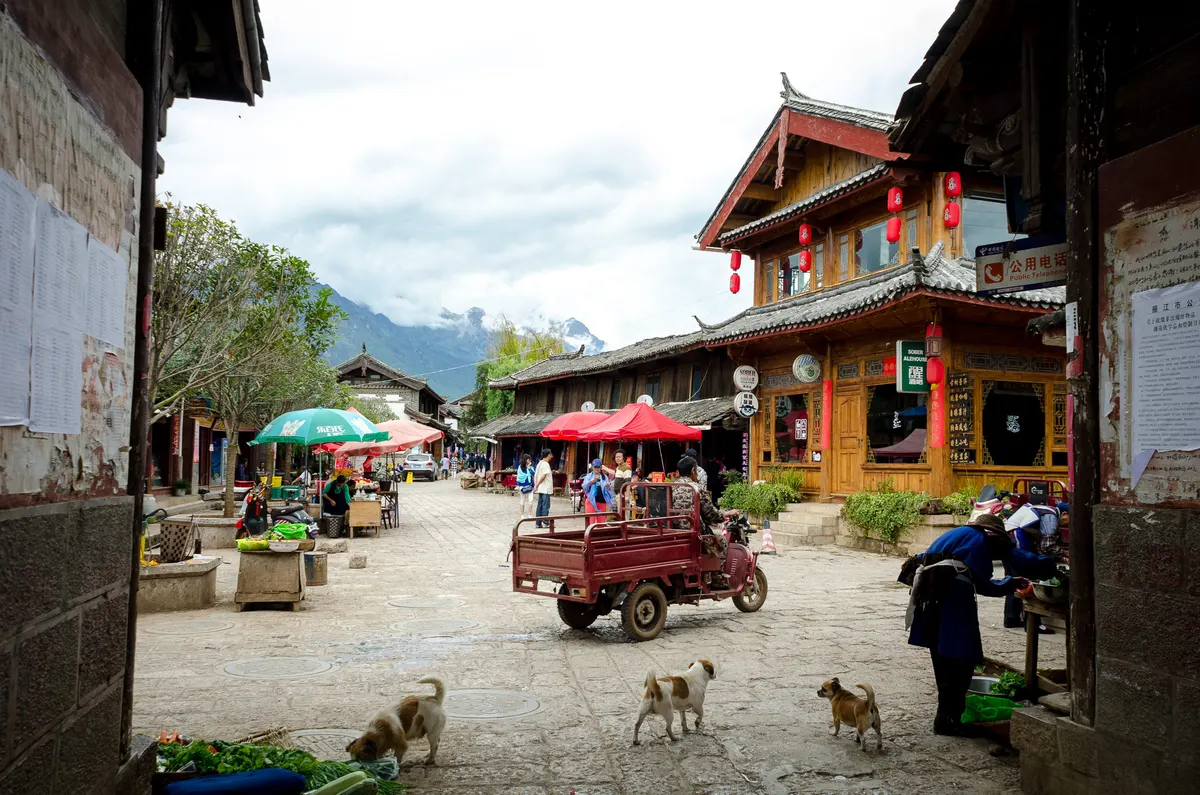
What makes Dayan worth the walk is its water. Springs fed by Jade Dragon Snow Mountain fill Black Dragon Pool, and from there a web of canals and channels runs through the lanes, as it has for centuries. The town kept its Ming and Qing street plan through the earthquake of 3 February 1996, and two buildings of the old Mu family compound, the Yizi pavilion and Guabi Tower, still stand among the lanes, as UNESCO notes.
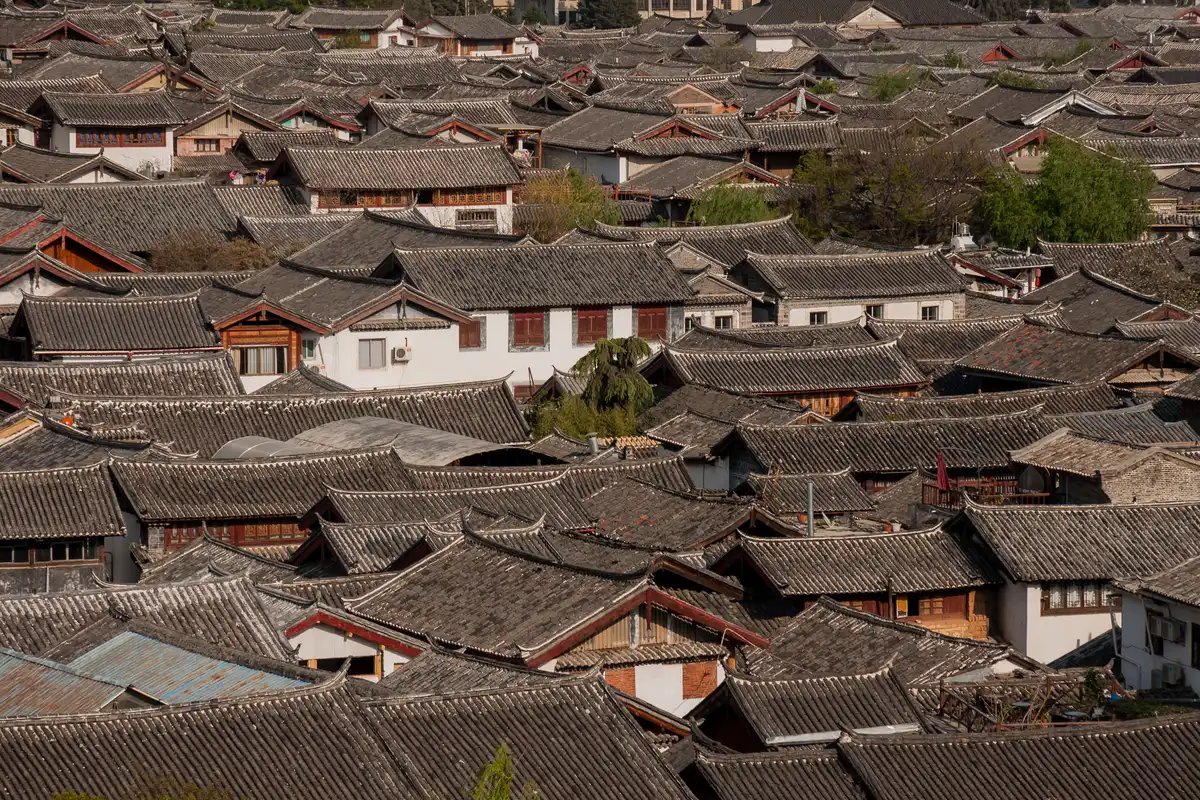
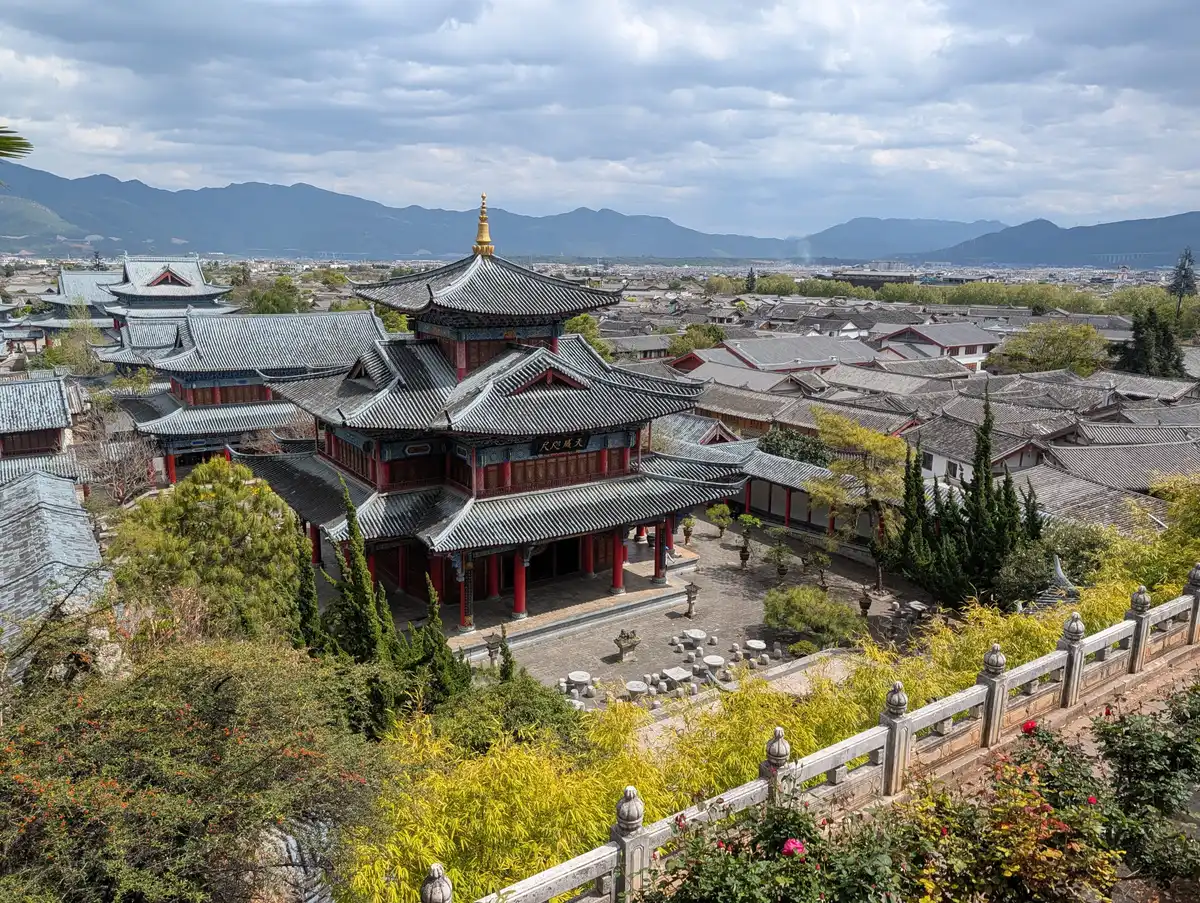
Since 1 August 2025 the Old Town has charged a maintenance fee of ¥50 (about $7.50 or £5.60) a person, valid for a year with unlimited entry to Dayan, Black Dragon Pool, Baisha and Shuhe. It replaced an ¥80 fee that lasted a week. Independent travellers pay at designated checkpoints, so keep proof of payment with you for the rest of your stay. The city’s rules exempt children under 12 or under 1.2 metres, people aged 60 and over and people with disabilities; we couldn’t confirm whether the age exemption covers foreign visitors, so if you’re over 60, carry your passport and ask at the checkpoint.
Black Dragon Pool and the Naxi script
Black Dragon Pool, about 2 km north of the centre of Dayan, counts as part of the Old Town and is covered by the same fee. Come in the afternoon, and on a clear day you’ll see the white peaks of the snow mountain standing over the far end of the water.
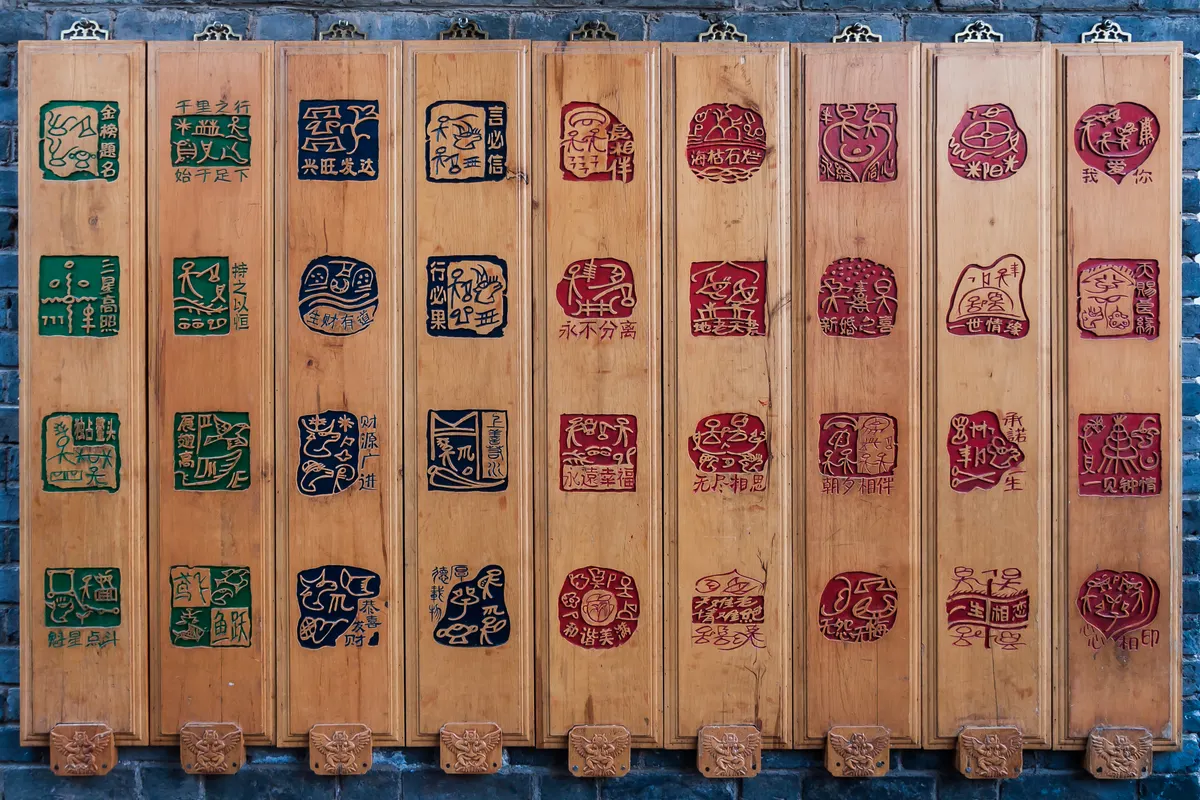
Some of the park’s signposts are written in three scripts: Chinese, English and the pictographs of Dongba, the Naxi writing that UNESCO counts as part of what the Old Town protects.
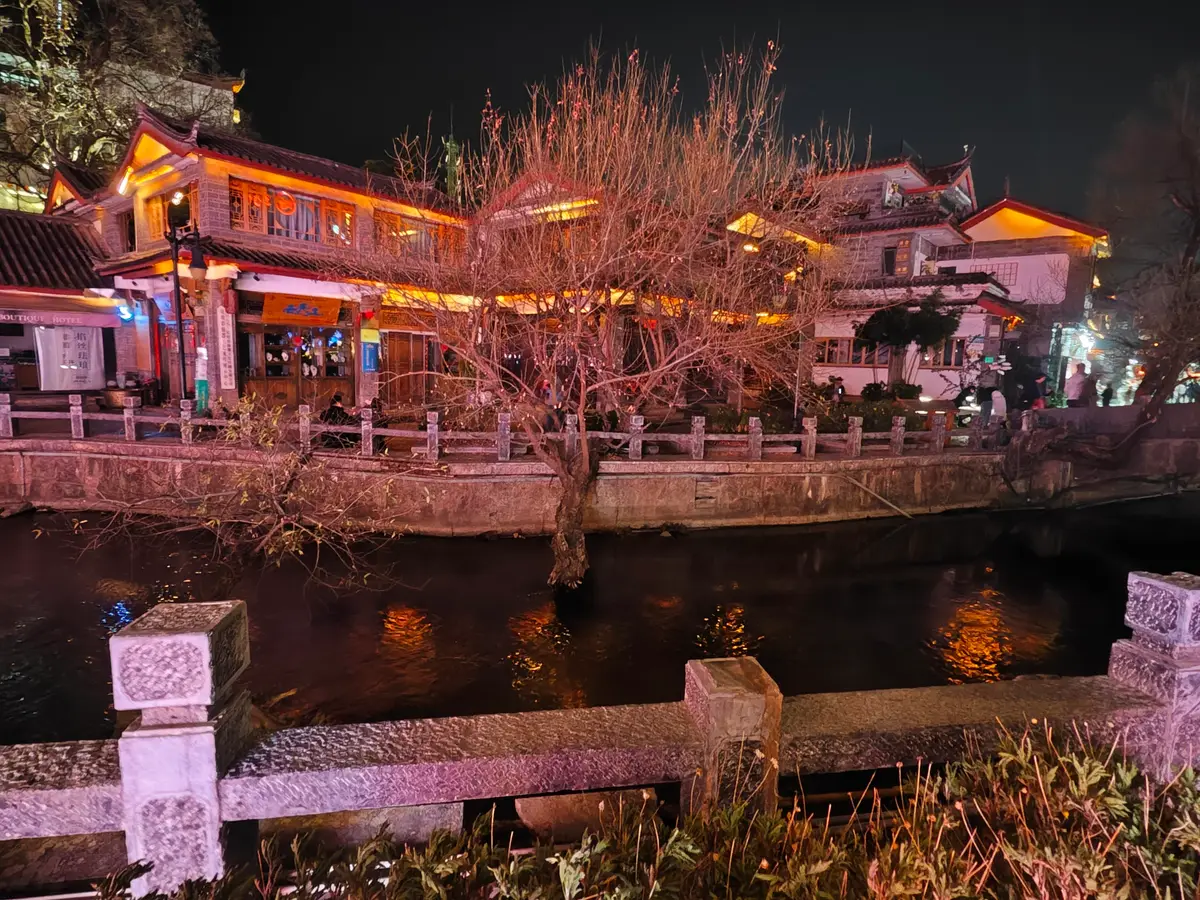
In the evening the lanes of Dayan light up, and the canals reflect the restaurant fronts.
Jade Dragon Snow Mountain: tickets, cable cars and altitude
The mountain is a separate scenic area north-west of the city, and the scenic area itself puts the drive to Ganhaizi, its main hub, at about 80 minutes in holiday traffic. Every visitor buys two things: the entry ticket, ¥100, and the scenic bus, ¥20, which runs you between the sights inside. Entry tickets go on sale seven days ahead in the Yulong Snow Mountain Service mini programme, and there are ticket windows at the new visitor service centre in Baisha. For the National Day holiday in 2026 the area opened at 6:00 and checked its last tickets at 16:30; outside holidays, check the hours in the mini programme before you set off.
The cable cars are sold separately, seven days ahead, in the Lijiang Tourism Group mini programme:
- Glacier Park cable car, ¥120. It climbs from 3,356 metres, in the forest, to a snowfield terrace at 4,506 metres, a ride of 2,968 metres.
- Spruce Meadow cable car, ¥40. It runs 958 metres up to a meadow in the spruce forest at 3,261 metres.
Those are the prices Yunnan’s price bureau set in 2018, as the operating company reported, so check the figure at checkout. The scenic area says at least half of each day’s cable car tickets go to independent travellers; you’ll need face recognition to buy and to board, and an ID can buy once every 90 days. Both apps sell by real name; Lijiang’s city media reported in July 2024 that foreign passport holders have to book separately from Chinese ID holders, so set this up early. If the booking won’t go through on your passport, a guided day that includes the cable car is the fallback, because the cable car’s other sales channel is travel agency packages. The scenic area’s advice is to buy such a package with a proper travel contract, since the cable car company itself hasn’t authorised any online platform to resell its tickets.
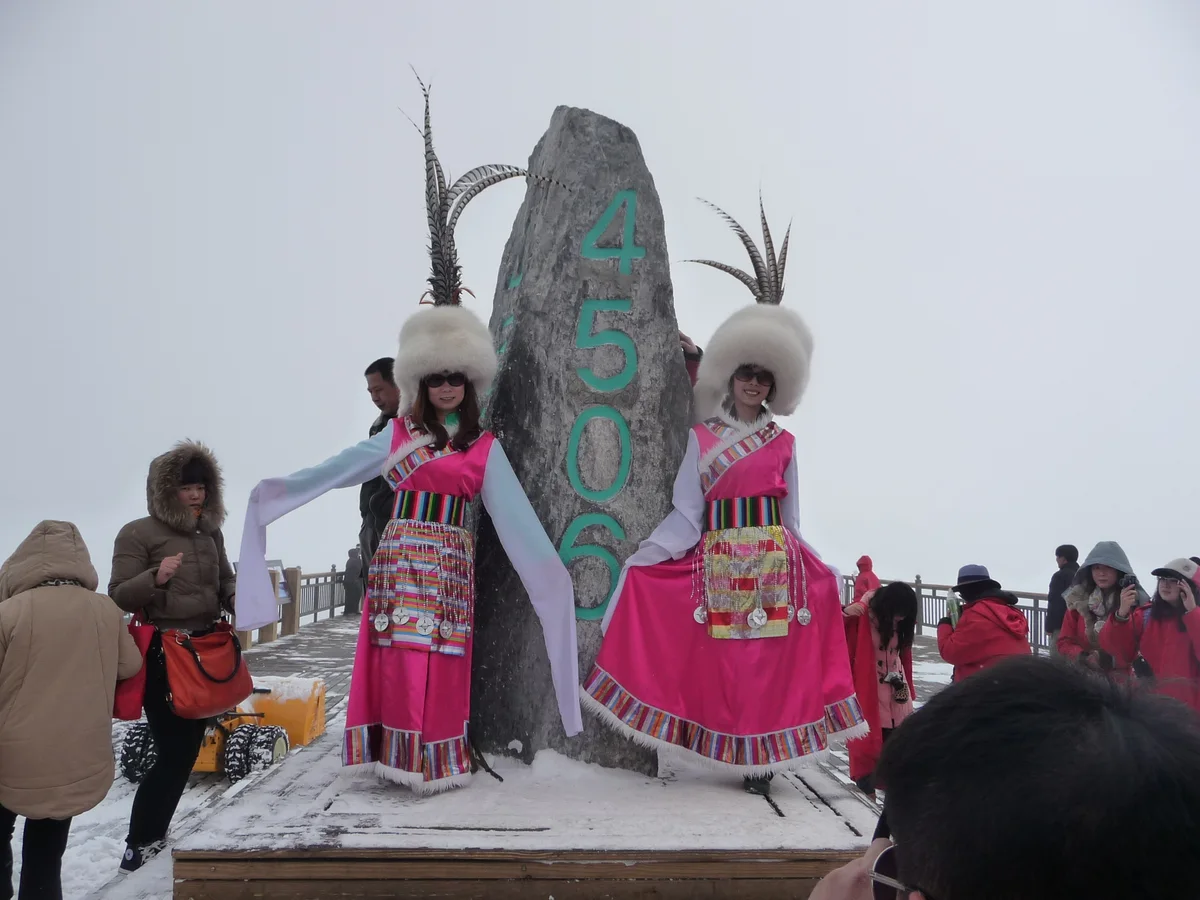
Altitude is the condition that matters here. The scenic area asks visitors to rest before they go up and to judge how the height will affect them, and it offers free hot drinks, blood pressure and blood oxygen checks at Ganhaizi and at the cable car stations. In strong wind or heavy rain the cable cars slow down or stop, so don’t leave the mountain for your last day.
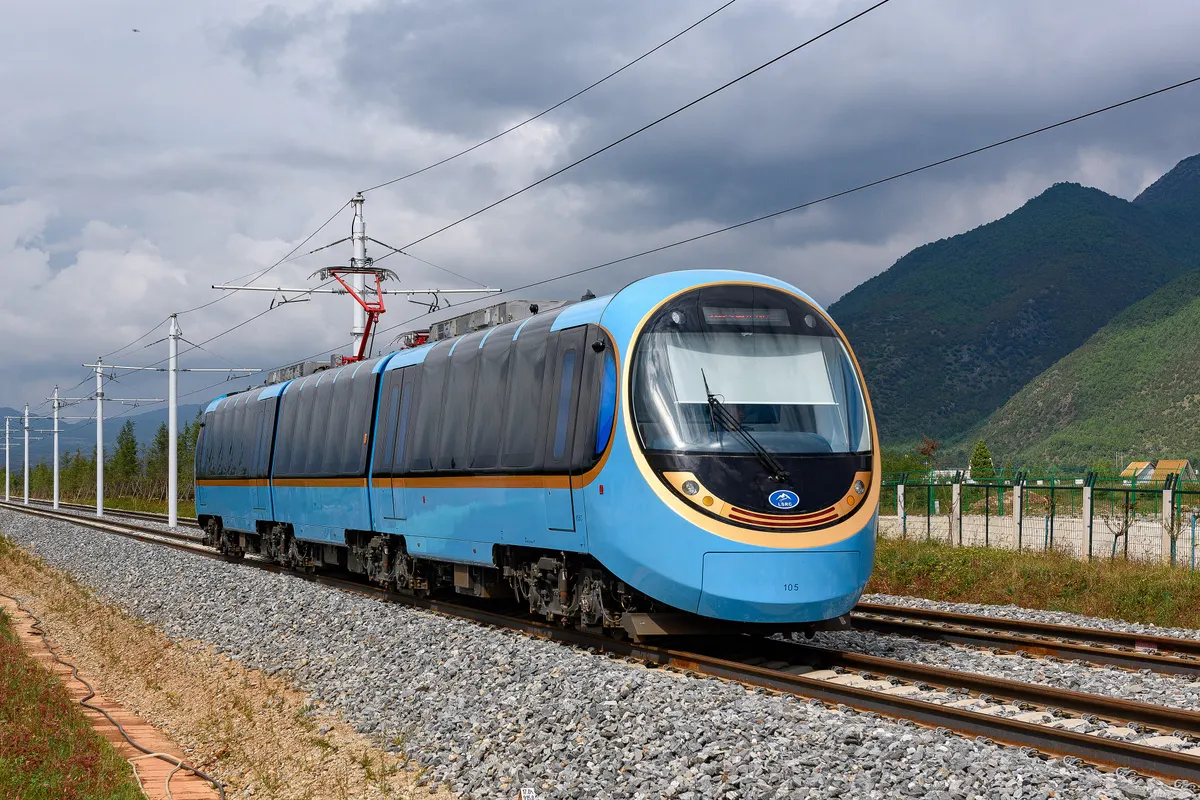
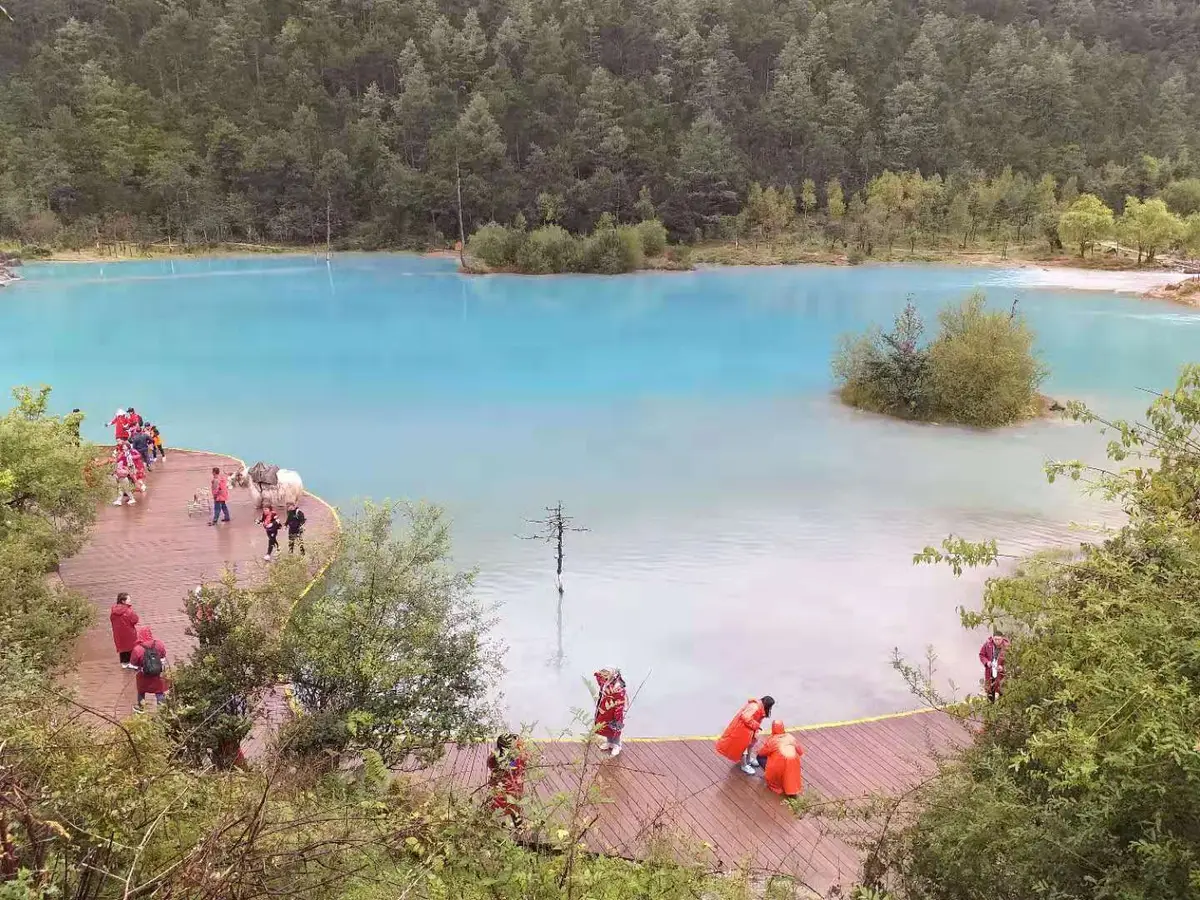
From the new visitor centre in Baisha, a sightseeing train runs to the scenic area in about 35 minutes, for ¥50 one way or ¥80 return. Inside the area, the scenic buses also reach Blue Moon Valley, the chain of milky blue pools below the peaks, and in the evening you can see Impression Lijiang, the open-air show directed by Zhang Yimou, Wang Chaoge and Fan Yue that has run since July 2006, booked in the same app as the cable cars.
Tiger Leaping Gorge and the 240-hour map
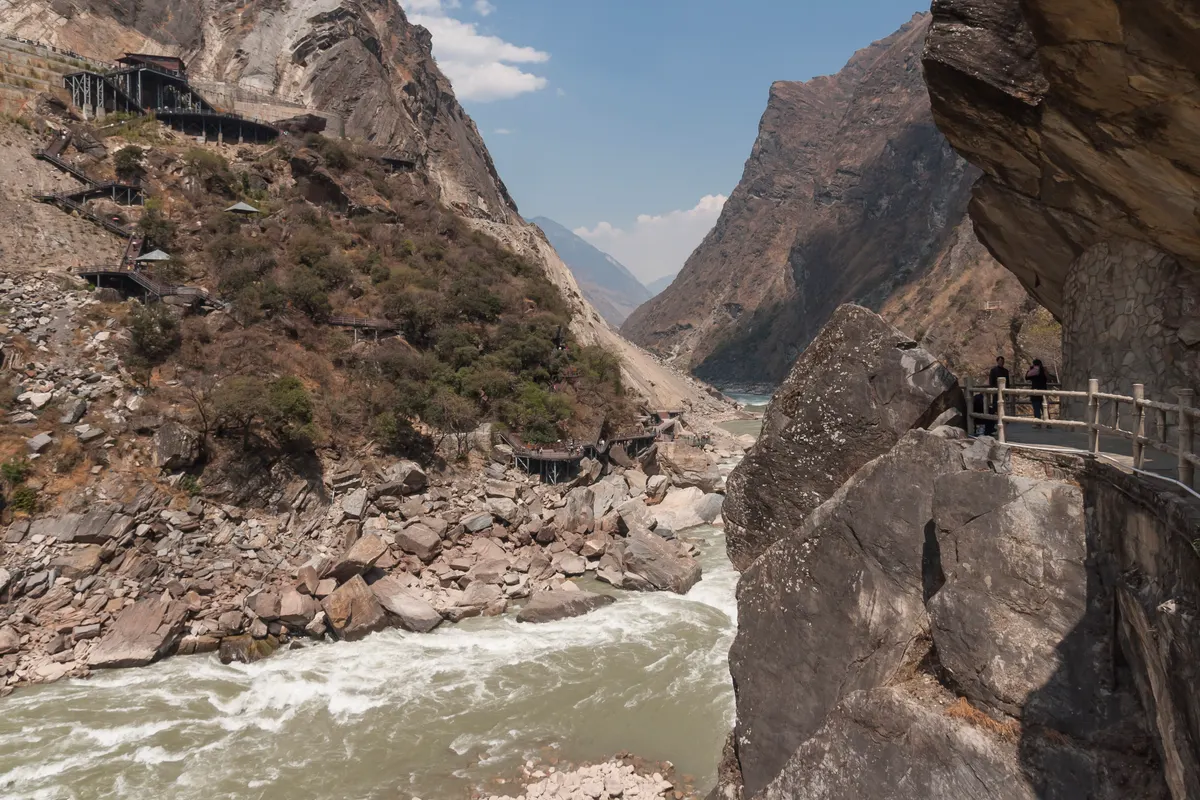
Tiger Leaping Gorge makes a full day out from Lijiang, and it has two visitor areas: one on the Shangri-La side, run by a company in Diqing prefecture, and one on the Lijiang side, in Yulong county, run by a Lijiang company and open again after a closure that began in 2016. The rainy season can close either. After a flash flood on 18 July 2026 the Lijiang side closed until 23 July, and the Shangri-La operator shut its side from 31 July 2026 after rain through the night before raised the risk of rockfalls and landslides; by 2 September 2026 it was open again, after a rockfall the day before about 600 metres outside the visitor area that hurt no one. Between June and September, check the WeChat account of the side you’re going to on the morning you go.
Both visitor areas are in the upper part of the gorge, and the one on the Shangri-La side is about 85 km by road from the Old Town, by our calculation on OpenStreetMap. The railway won’t get you there: on 12306’s timetable for 13 October 2026, none of the ten trains from Lijiang to Shangri-La stops at the gorge, so you go by road. Directions published when the Lijiang side reopened put it about 80 km from the city, roughly an hour and a half by car. We couldn’t confirm either side’s ticket price with its operator, so check that in the same WeChat account before you set off.
Your passport decides which side you can visit. Lijiang’s airport is a port for China’s 240-hour visa-free transit, for travellers with a confirmed onward ticket to a third country or region, but the area you may visit in Yunnan is nine cities and prefectures, Kunming, Dali and Lijiang among them, and Diqing isn’t on the list. On that scheme the Shangri-La side of the gorge and Shangri-La itself are out of bounds, while the Lijiang side, in Yulong county, is inside the permitted area. That area rule belongs to the transit scheme, and our China visa guide sets out the other ways in and who qualifies for each.
Shuhe and Baisha
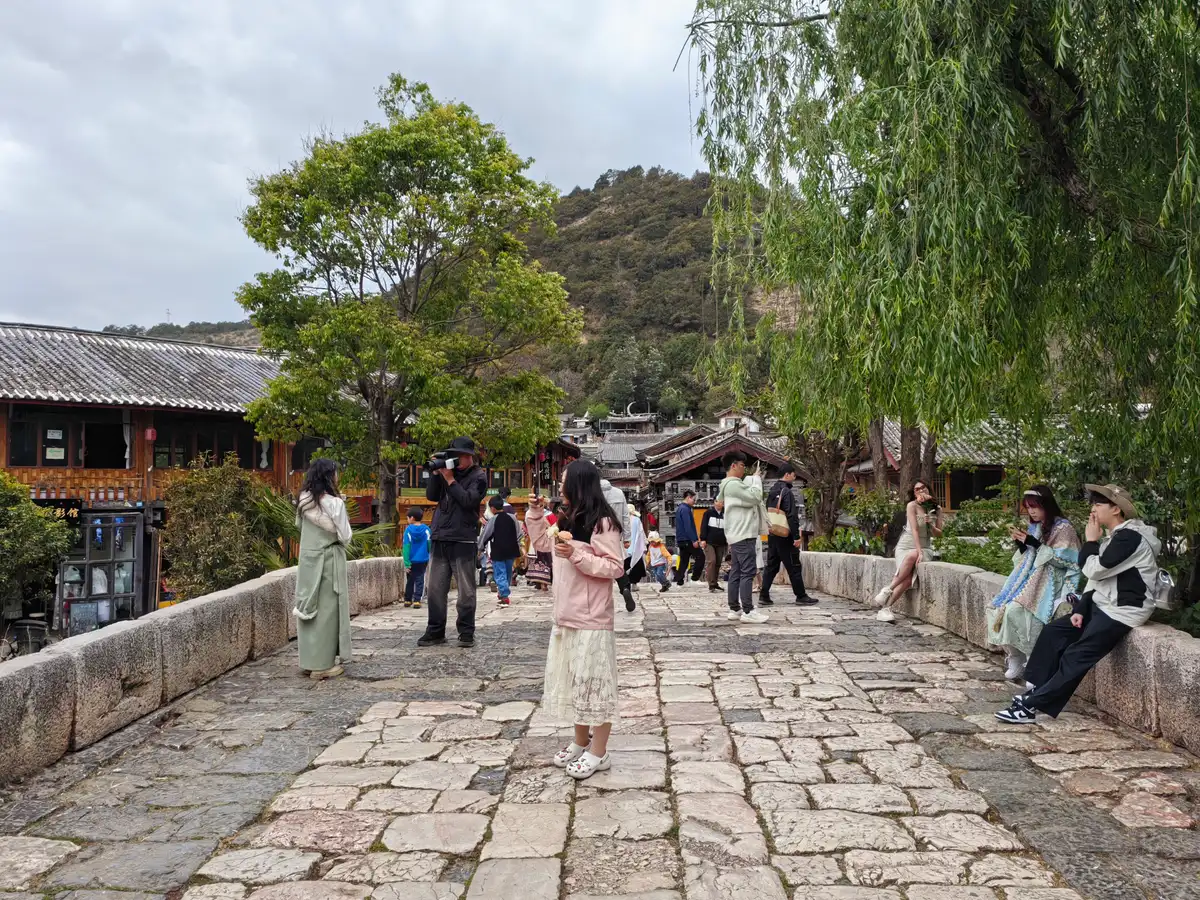
Shuhe and Baisha are the two smaller parts of the World Heritage site, and they’re covered by the same ¥50 fee. Shuhe, 4 km north-west of Dayan, is a village of houses along streams at the foot of the hills. Baisha, 8 km north, is older: its houses are laid out around a terraced square, and its temple halls hold more than 40 old paintings mixing Buddhist, Taoist and Naxi subjects.
Baisha has a practical side too: the snow mountain’s new visitor service centre and its sightseeing train start there, so a night in Baisha puts you closest to an early start on the mountain.
Three days in practice
- Day one, Dayan. Walk the Old Town in the morning, pay the fee when a checkpoint asks for it, and reach Black Dragon Pool in the afternoon.
- Day two, the mountain. Leave early with your entry and cable car tickets booked, take the glacier cable car first, then the scenic bus to Blue Moon Valley. Book Impression Lijiang if you still have the energy.
- Day three, your choice. Shuhe and Baisha at an easy pace, or Tiger Leaping Gorge if the weather and your entry rules allow it.
Most of the ticket money goes on the mountain. Of the ¥290 a person in fixed tickets for these three days (about $43, £33 or €39, converted at the European Central Bank’s rates of 5 October 2026), ¥240 is day two: ¥100 entry, the ¥20 scenic bus and ¥120 for the glacier cable car at its 2018 price. The Old Town fee is the other ¥50, and rooms, meals, the train in, the Spruce Meadow cable car and Tiger Leaping Gorge are extra.
Where to stay
Inside Dayan you’re on foot for the first day, and Black Dragon Pool is a walk away. Shuhe is smaller, a short ride from Dayan. Baisha suits a mountain-first trip, since the visitor centre and train are on the doorstep. The railway station is about 7 km south of the Old Town and the airport about 22 km, both in a straight line, so you’ll take a taxi or a Didi from either.
Getting there by air or by train from Kunming
From Beijing, Shanghai or Xi’an, Lijiang is a flight. By rail you’d change in Kunming: in 12306’s timetable for 13 October 2026, the G307 takes 10 hours 49 minutes from Beijing West to Kunming South, and the G201 9 hours 35 minutes from Shanghai Hongqiao, both arriving in the evening.
The connection from Kunming has a catch worth knowing. The fastest train to Lijiang that day, the C86, leaves at 10:15 from Kunming station in the city, not Kunming South where the trains from Beijing and Shanghai arrive, and takes 3 hours 29 minutes for ¥190 (about $28 or £21) in second class. From Kunming South the C455 takes 4 hours 40. The times and fares are 12306’s for Tuesday 13 October 2026, read on 6 October; book through 12306 or Trip.com.
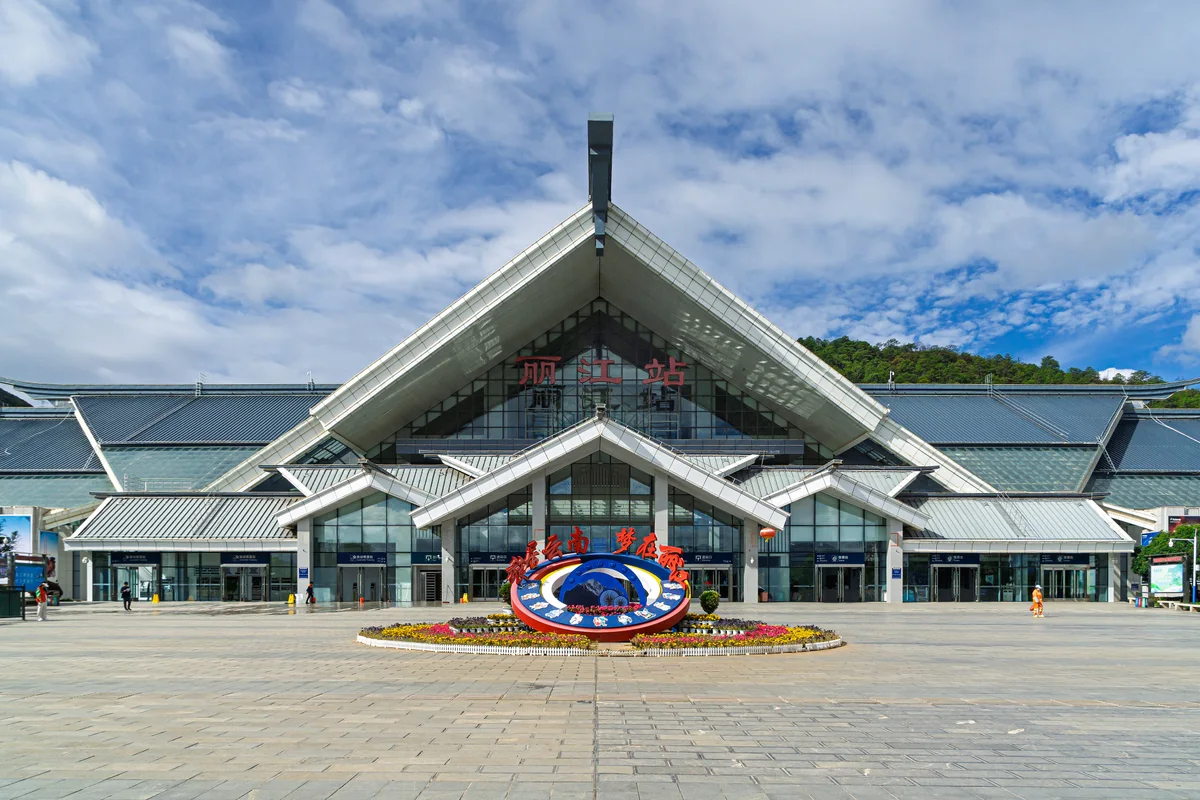
The neighbours are closer. Trains to Dali take from 1 hour 56 minutes (¥80) and to Shangri-La from 1 hour 10 (¥70), and there’s a direct D train, the D239, from Chengdu South to Lijiang in a little over nine hours, which makes it easy to pair with our Chengdu guide.
When the rain stops the cable cars
Lijiang’s year splits in two. June to September bring about 789 mm of its 980 mm of rain, with July alone averaging 242 mm, while November to April get between 3 and 18 mm a month. Daytime temperatures stay mild all year, from highs of 14.0°C in January to 24.1°C in June. Winter nights are the cold part, close to freezing in December and January, so pack a warm layer even for a sunny week.
For the mountain, the dry half of the year is the safer bet, from October, when the rains have eased, to April. In summer, keep a spare day in case the cable cars stop for rain.
On the map
The map loads on click, to keep the page light.
The map didn’t load. Check your connection and refresh the page.
Tickets and opening hours
- Ticket price
- Old Town of Lijiang maintenance fee ¥50, valid 365 days for Dayan with Black Dragon Pool, Baisha and Shuhe; the city's rules exempt children under 12 or under 1.2 m and people aged 60 and over (whether that covers foreign visitors over 60 is unconfirmed, so ask at the checkpoint). Jade Dragon Snow Mountain entry ¥100 plus the compulsory scenic bus ¥20; Glacier Park cable car ¥120 and Spruce Meadow cable car ¥40 at the prices set by Yunnan in 2018; sightseeing train ¥50 one way or ¥80 return.
- Opening hours
- Jade Dragon Snow Mountain 6:00-16:30, with tickets checked until 16:30, as announced for the National Day holiday 2026.
Fees and rules from the city of Lijiang, the Jade Dragon Snow Mountain scenic area and the cable car company, checked on 6 October 2026. Cable cars stop in strong wind or heavy rain.
Details checked: 6 October 2026
Read also

Cities · 14 min read
Chengdu Guide 2026: Pandas, Teahouses and How Long to Stay
Verified · 6 October 2026Chengdu for a first trip: the panda base at opening time, Wuhou Shrine on a passport, tea in People's Park, trains from Xi'an and a museum shut until 2027.

Cities · 11 min read
Chongqing in Two Days, Plus a Yangtze Cruise (2026)
Verified · 6 October 2026Hongyadong lit up from the river, a monorail through a block of flats, the Yangtze cableway, hotpot, and which way to take a Three Gorges cruise.

Cities · 10 min read
Guilin and Yangshuo: the Li River Cruise and 3-4 Days (2026)
Verified · 6 October 2026Why the Li River cruise means a night in Yangshuo, booking it by passport, when the river closes, the 20-yuan view and trains from Hong Kong.

Cities · 12 min read
Harbin Travel Guide 2026: Russian Architecture and Winter
Verified · 6 October 2026Two days for Harbin: Central Street and St Sophia, Daowai, booking the Unit 731 site, where to sleep, the metro, and January nights at -22.9°C.