
Do I Need a Visa for China? Rules by Passport (2026)
UK, Canadian, Australian and most EU passports get 30 days visa-free until 31 December 2026. Americans need a visa, the 240-hour transit or Hainan.

If you hold a British, Canadian, Australian, New Zealand or Irish passport, or one from 24 other EU countries, you don’t need a visa for a trip to mainland China of up to 30 days, as long as you enter by 31 December 2026. Americans do need one, with two ways round it for independent travel: the 240-hour transit, which allows up to 10 days in China on the way to a third country, and a 30-day visa-free stay that only covers the island province of Hainan.
The EU passports left off the list are Czech and Lithuanian. And on the transit rule, a return flight home doesn’t count: flying there and back from the same country isn’t transit. We checked every rule here against the Chinese government and embassy pages, and against the UK, US and Canadian travel advice, on 3 October 2026.
The 30-day list, passport by passport
China’s unilateral visa-free list has 50 countries on it. With an ordinary passport from any of them you can enter for up to 30 days for business, tourism, visiting family or friends, exchanges or transit. You can come and go more than once: the Chinese Embassy in the US says there’s currently no limit on entries or total days, as long as each visit fits those purposes. Work, study and journalism always need a visa.
| Passport | Without a visa | Scheme runs until |
|---|---|---|
| United Kingdom (nationality “British citizen”) | 30 days | 31 December 2026 |
| Canada | 30 days | 31 December 2026 |
| Australia, New Zealand | 30 days | 31 December 2026 |
| Ireland and 24 other EU countries | 30 days | 31 December 2026 |
| Switzerland, Norway, Iceland | 30 days | 31 December 2026 |
| Czech Republic, Lithuania | not covered: visa, 240-hour transit or Hainan only | - |
| United States | not covered: visa, 240-hour transit or Hainan only | - |
Brunei and Russia run on a different clock: Brunei’s exemption has no end date, and Russia’s was extended in May 2026 to 31 December 2027. For the other 48, Western countries included, the date is 31 December 2026. The UK and Canada were added last, on 17 February 2026.
The 30 days start at midnight after the day you land, so an evening arrival doesn’t cost you a day. Either version of our 10-day or two-week train itinerary fits inside them.
For British travellers, the Foreign Office says the scheme covers passports whose nationality reads “British citizen”, including Crown Dependency passports with that entry. If yours says something else, ask the Chinese Embassy in London before you book. Emergency travel documents never qualify.
On passport validity, the embassy only asks that your passport covers the whole stay. The UK and Canadian governments both advise six months of validity on arrival, and the FCDO adds two blank pages. Go with the stricter version. The passport you travel on is also the one you’ll book sights with: foreign visitors to the Forbidden City have to give a passport number when they book, as our guide to Forbidden City tickets explains.
US passport holders and the L visa
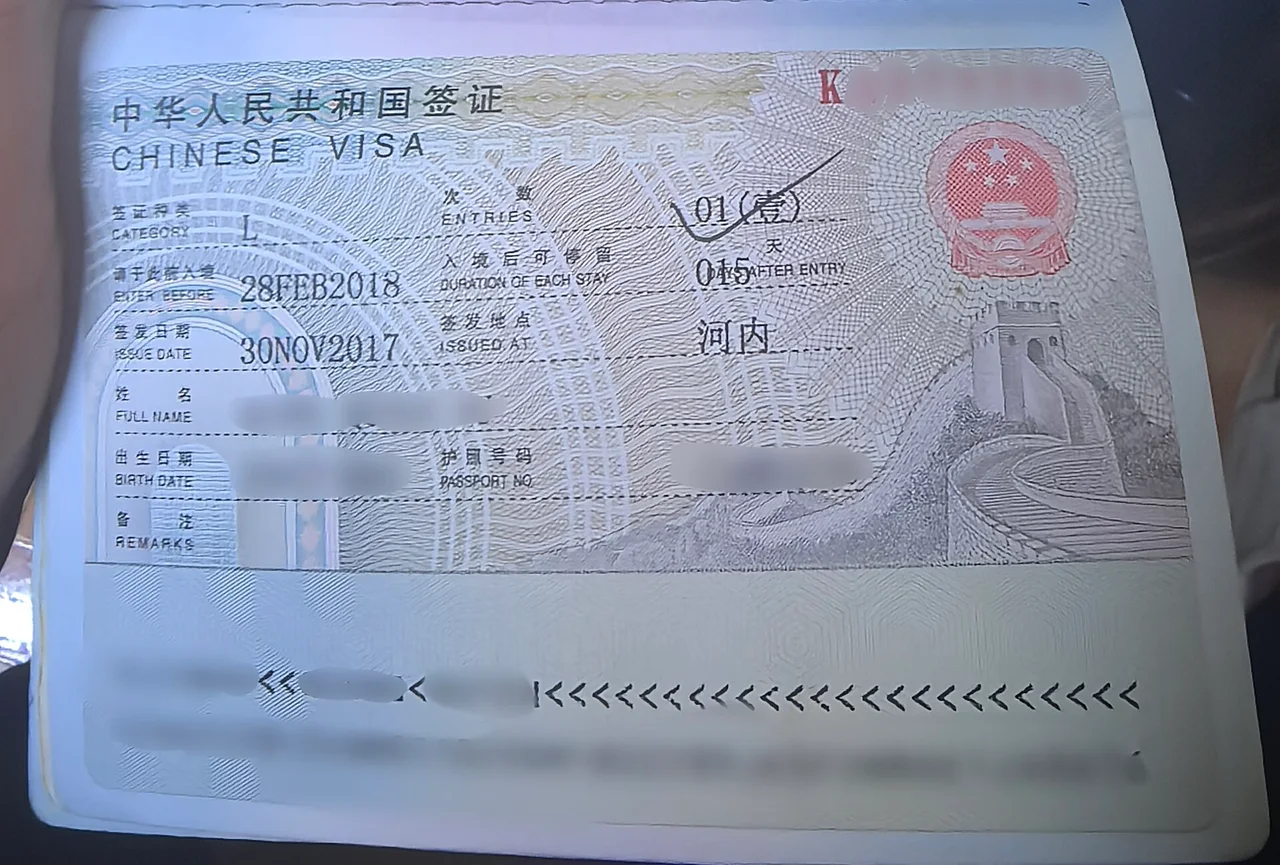
The United States isn’t on the 30-day list, so a normal holiday needs a tourist visa, which China calls the L category. Since 30 September 2025 the Chinese Embassy and consulates in the US have taken applications online: you fill in the form and upload your documents, then hand in your passport at the visa office for your state, in person or through an agent.
Since January 2024, applicants in the US for an L visa haven’t had to show flight bookings, hotel reservations, an itinerary or an invitation letter. Your passport needs more than six months of validity and at least two blank visa pages.
The consular fee for US citizens applying in the US is $140, and it doesn’t change with the number of entries: single, double and multiple-entry visas all cost the same. Express service adds $25. That $140 is a temporary reduction, confirmed until 31 December 2026.
With the price flat, there’s no reason to ask for a single entry if a side trip to Hong Kong or Macao is even a possibility: the UK Foreign Office notes that coming back from Hong Kong needs a visa that allows a second entry.
The 240-hour transit and the return-flight trap
The transit scheme is open to 57 countries, including the US, the UK, Canada, Australia, New Zealand, Ireland, the Czech Republic and Lithuania. The National Immigration Administration (NIA) sets the conditions:
- an ordinary passport valid for at least three months;
- an onward ticket with a confirmed seat and date to a third country or region, leaving within 240 hours (10 days);
- meeting the entry rules of the place you fly on to, visa included;
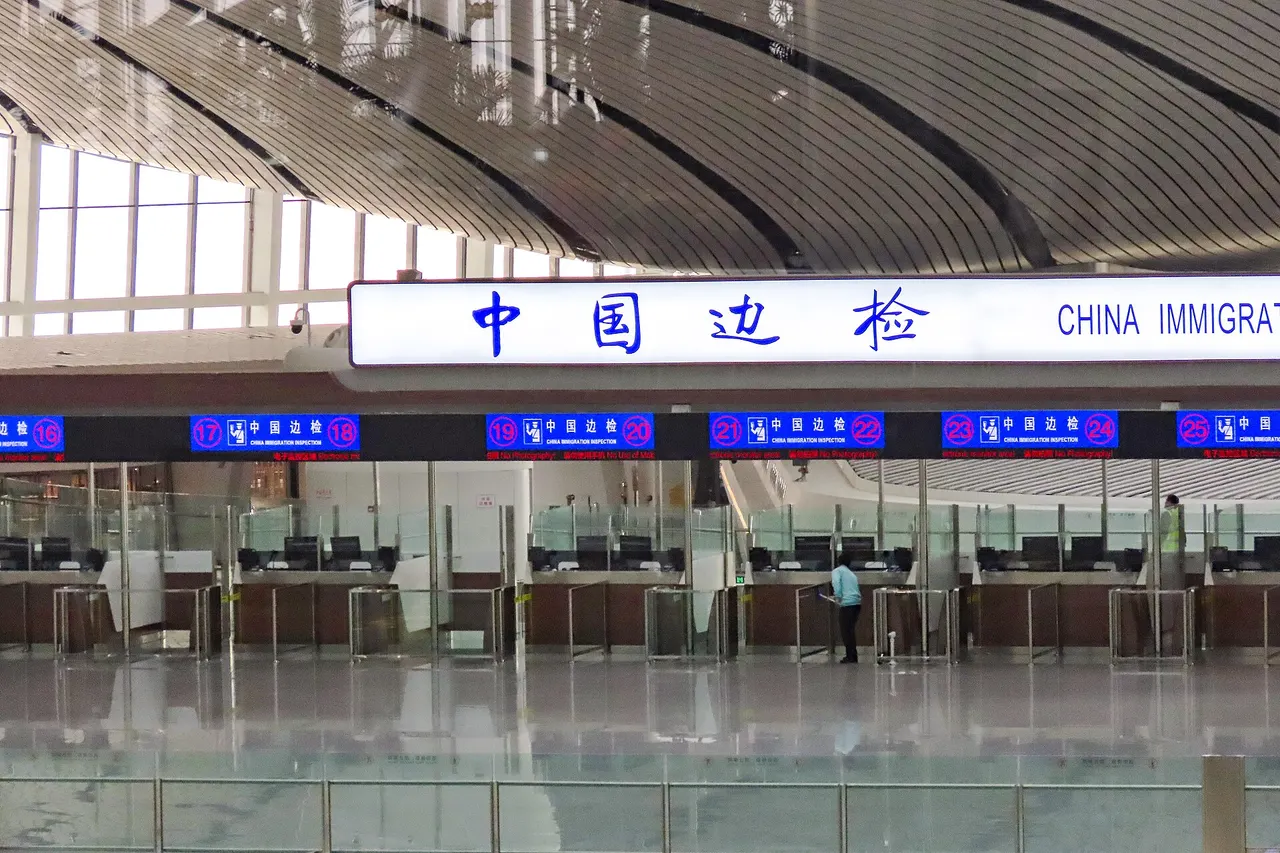
- entry through one of 65 designated ports in 24 provinces, Beijing Capital, Beijing Daxing and both Shanghai airports among them;
- staying inside the permitted areas for the whole trip.
Book the onward ticket before you reach the desk: the Chinese consulate in Montreal says that without one, the entry permit can’t be issued. A Chinese visa refusal stamp in your passport also rules you out. The 10 days, like the 30 days above, are counted from midnight after the day you arrive.
Now the trap. According to the Chinese Embassy in Canada, the place you came from and the place you’re going on to must be different countries or regions. New York to Beijing and back to New York is a return trip, so it isn’t transit. New York to Beijing, then on to Seoul or Tokyo, is.
Since December 2024 you can also move between provinces inside the permitted areas. Beijing, Shanghai and the whole of Shaanxi, the province around Xi’an, are all inside them, so a classic first trip linking the three by high-speed train works on a transit entry; booking China train tickets and the Beijing guide cover the practical side.
Hong Kong and Macao as the onward stop
The official wording runs thin here. The rule says “a third country or region”, and the five ports added to the transit list in November 2025 include West Kowloon station in Hong Kong and the Hong Kong-Zhuhai-Macao Bridge, which only make sense for travellers coming from or going there.
None of the immigration authority’s or embassies’ pages we read on 3 October 2026 names Hong Kong or Macao as an onward stop. The clearest line comes from MTR, which runs the West Kowloon high-speed terminus, one of those transit ports: “Hong Kong, Macao, and Taiwan are considered as eligible onward destinations”. That’s the station operator, not the NIA, so if your plan hinges on a ticket from Shanghai to Hong Kong, ask the NIA’s 24-hour line, +86 12367, which answers in English, before you book. Hong Kong and Macao also have entry rules of their own, separate from the mainland’s.

Hainan’s own 30 days, Americans included
Hainan, the tropical island province in the far south, runs a separate scheme. Ordinary passport holders from 61 countries, the US, the UK, Canada and Australia among them, can stay up to 30 days without a visa, arriving through any open port on the island, for tourism, business, family visits, medical treatment and other short stays.
The route in matters as much as the passport. You have to enter China through a port in Hainan itself: the Chinese Embassy in Canada says that if you clear immigration in Shanghai, Beijing or anywhere else on the mainland and then fly down to the island, the Hainan scheme no longer applies. Without a direct flight, the embassy suggests connecting through a place that has one, such as Hong Kong or Macao.
The other limit is geographic. You have to stay within Hainan Province, so flying on to Beijing or Shanghai takes you out of the scheme. It also doesn’t cover work or study. For an American who wants a beach week and nothing else, though, it’s the one way in for an independent traveller that needs neither a visa nor an onward ticket.

The arrival card, free from the official site only
Since 20 November 2025 you can fill in China’s arrival card online before you fly: on the NIA’s official page (s.nia.gov.cn/ArrivalCardFillingPC/), in the NIA 12367 app, or through the WeChat and Alipay mini programmes. It’s free; in December 2025 the NIA warned that fake sites were charging for it, so if a site asks for money, you’re on the wrong one.
You don’t have to do it in advance: at the border there’s a QR code to scan, terminals and a paper card. The 12367 app is covered with the others in our China apps rundown.
What to have in hand at the desk
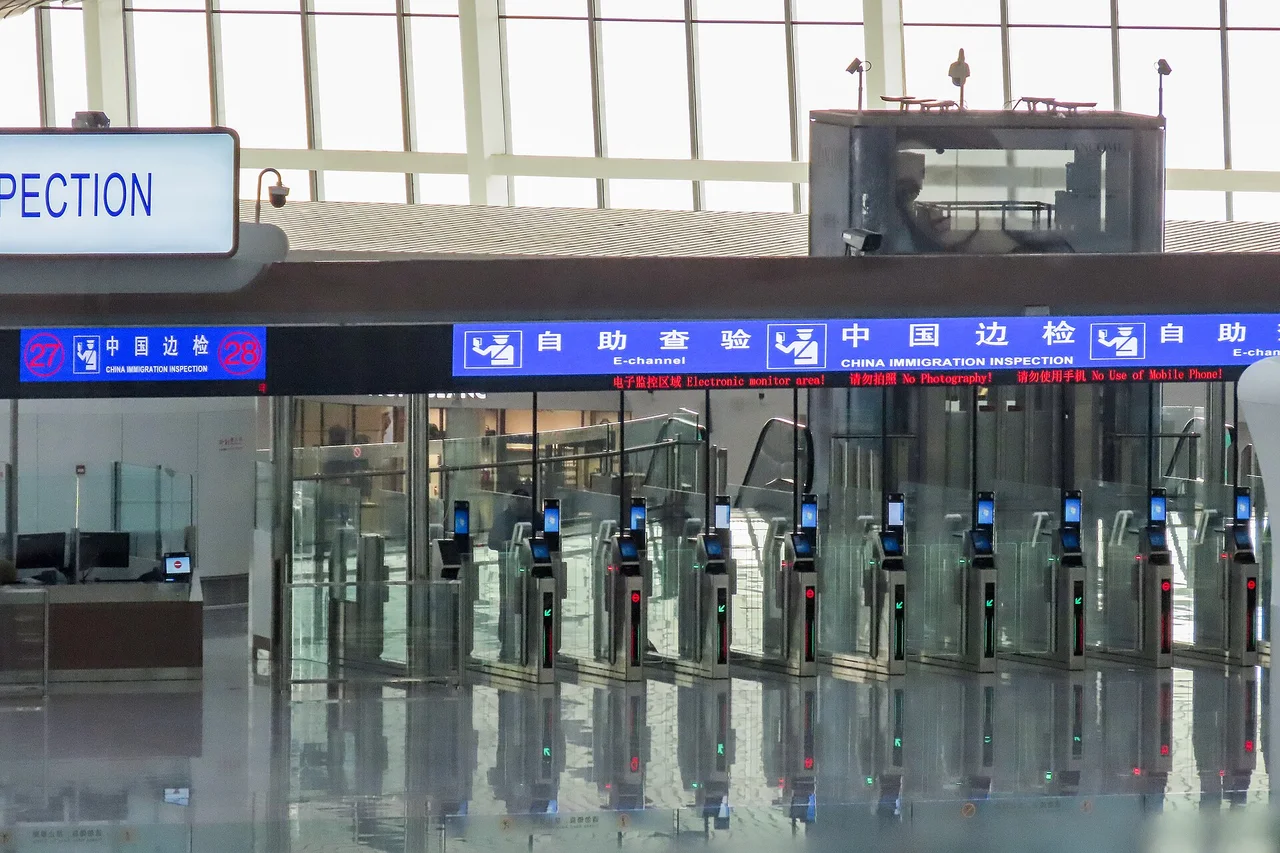
Border officers decide on the spot whether your trip fits the scheme, so carry proof of purpose, as the embassy suggests:
- your passport, with the validity and blank pages above;
- your return or onward ticket, confirmed for the transit;
- the booking for your first night, or your host’s address and details;
- an invitation letter for a business trip or a visit.
Hotels register foreign guests with the police on check-in. If you stay with friends instead, you or your host have to register at the local police station within 24 hours.
Your phone works differently once you land, since the FCDO lists Google, YouTube, Facebook and X as blocked on Chinese networks; our eSIM guide explains the workaround.
What London, Washington and Ottawa say about safety
None of the three advises against travel to the mainland as a whole, and all three warn about the same legal risks.
- US State Department: the joint mainland China, Hong Kong and Macau advisory, reissued 4 September 2026, puts the mainland at Level 2 of 4, “Exercise increased caution”, citing arbitrary enforcement of local laws, exit bans and the risk of unjust detention. Macao sits at Level 3.
- UK Foreign Office (updated 27 August 2026): warnings about broad national security laws, exit bans in business and civil disputes, and detention of up to 37 days without charge.
- Canada (updated 31 August 2026): “Exercise a high degree of caution”, and avoid non-essential travel to Gyirong County in Tibet after severe flooding.
Tibet needs a separate permit and an organised tour, and both the UK and Canadian advice flag particular risks in Xinjiang; read the FCDO’s regional risks before planning either. If you’re party to a business or civil dispute in China, take legal advice before you go, because that’s where the FCDO says exit bans come from.
Insurance and the deposit before treatment
None of the official pages we read lists travel insurance among the entry documents, but a Chinese hospital will want money before it treats you. The FCDO’s guide to medical treatment in China says a deposit before treatment is common practice, typically ¥3,000-7,000 (roughly $450-1,040 or £340-790), and that even insured patients are often asked for one before the insurer pays.
Many hospitals don’t accept foreign bank cards, though Alipay and WeChat Pay are accepted at many of them, so link a card to one of those apps before you fly; how to pay in China walks through it. The FCDO describes medical evacuation from China as extremely expensive, so check that your policy covers evacuation and repatriation as well as treatment.
Travelling in 2027?
As of 3 October 2026, China hadn’t said whether the 30-day scheme continues after 31 December 2026, except for Russia. The last extension came in early November 2025, about eight weeks before the old end date, which is a precedent, not a commitment. If your trip starts in January 2027 or later, keep bookings refundable until the announcement, or plan on a visa.
The notices define the scheme by the date you enter and don’t say what happens to a stay that runs past 31 December; if you land in late December, ask the embassy.
The 240-hour transit and the Hainan scheme carry no end date on the NIA’s pages; the reduced $140 US visa fee ends on 31 December 2026 too.
This page summarises official rules for planning, not legal advice: the border officer has the final word, and where your Chinese embassy or consulate says otherwise, go with them.
Read also

Before you go · 9 min read
China in Winter: Weather, Crowds and What Stays Open
Verified · 13 October 2026January lows run from -22.9°C in Harbin to 19.5°C in Sanya. Which cities have heating, when winter hours start, and which week is crowded.

Before you go · 8 min read
Chinese New Year 2027 in China: What Closes and When
Verified · 10 October 2026New Year's Day is 6 February 2027; the State Council hadn't set the break by mid-October 2026. What closed in 2026, the rail window, dates to watch.

Before you go · 13 min read
China Itinerary: 10 Days or 2 Weeks by Train (2026)
Verified · 3 October 2026Beijing, Xi'an and Shanghai in 10 days with one night train, or 2 weeks with Pingyao and Hangzhou: real 12306 trains, fares and what to book when.

Before you go · 13 min read
Mutianyu vs Badaling: Great Wall Day Trip from Beijing
Verified · 6 October 2026Badaling is 19-23 minutes by train from Qinghe; Mutianyu is quieter, with a ¥140 return cable car. Tickets, buses and passports, section by section.