
eSIM for China: Does It Work Without a VPN? (2026)
Sellers say many travel eSIMs route data outside mainland China, so Google and WhatsApp load. Where that stops, what the VPN rules say, and SMS codes.

A travel eSIM bought from a foreign seller usually works in mainland China much like roaming: your phone joins a Chinese network such as China Unicom, but the seller sends your data back out through a gateway outside the mainland before it reaches the open internet. That routing is why, by the sellers’ own account, Google, WhatsApp and Instagram load on one without a VPN. So for most visitors the answer is yes, on mobile data. The rest of this page is about where that routing stops, what “unlimited” means on a China plan, and how to keep receiving SMS codes.
The UK Foreign Office lists Google, Facebook, YouTube and X as permanently blocked on Chinese networks, and says VPN services need a government licence there. So the eSIM question is really a routing question.
Why an eSIM gets round the blocks
China filters the internet at the network level. A Chinese SIM, a Chinese eSIM or a café’s Wi-Fi all sit behind that filter, which is why the FCDO’s list of blocked services applies to them. Canada’s travel advice goes a step further: it warns that you shouldn’t expect internet privacy in China.
Each seller describes its way round the filter a little differently. Airalo says its China, Asia and Global eSIMs route traffic “through secure gateways outside mainland China” and that a VPN is “NOT required” on them. Yesim says its China traffic goes out through Singapore and Hong Kong. Holafly says WhatsApp, Google and Instagram work on its China eSIM without an extra VPN.
These are sellers’ statements about their products, not a government ruling, and routing can change. That’s why it pays to test the moment you land rather than discover a problem on the way to your hotel.
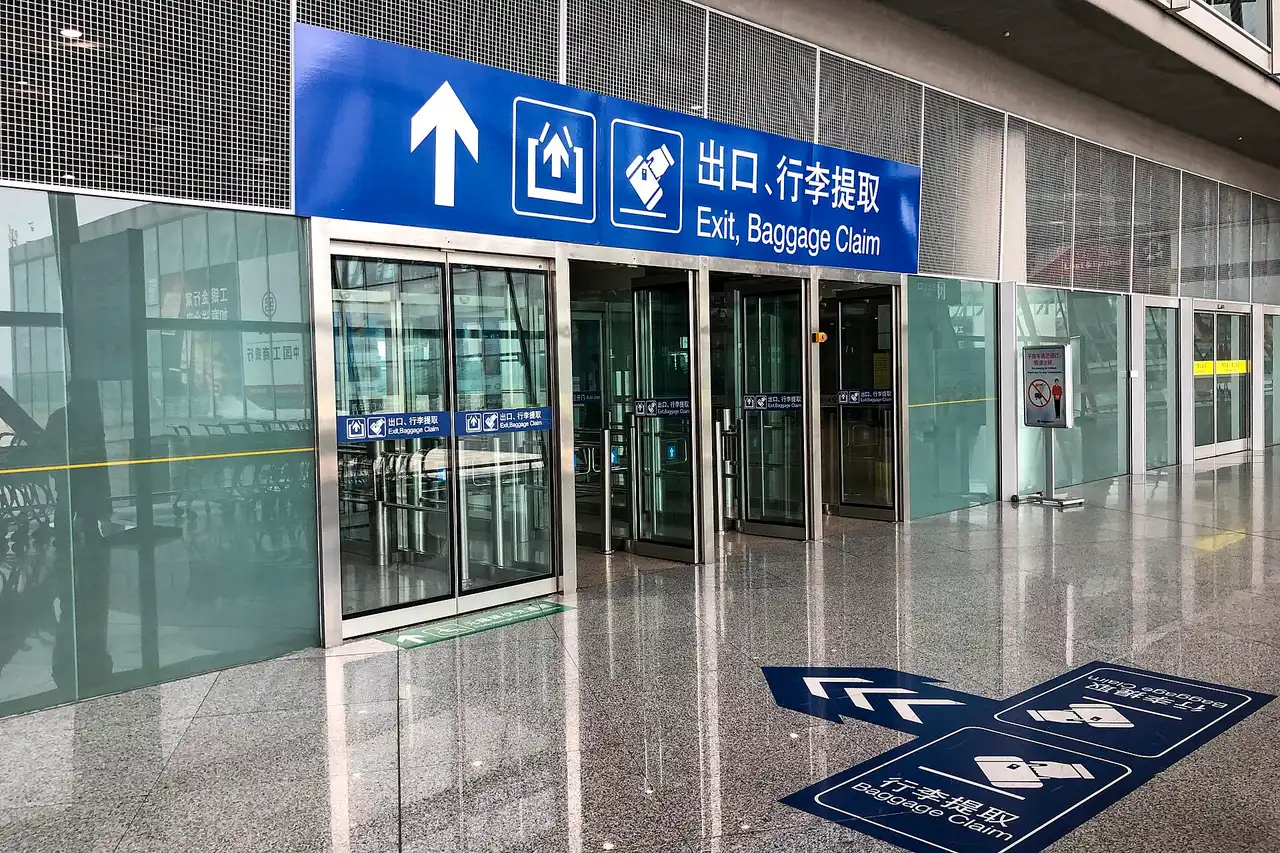
Hotel Wi-Fi is where it stops working
Airalo states the limit directly: you get unfiltered access “as long as you are using your eSIM data (and not the hotel Wi-Fi)”. The moment your phone switches to the hotel network to save data, Gmail stops syncing, Google Maps won’t load and WhatsApp messages queue up.
Evenings are when it happens: phones prefer known Wi-Fi, so the switch is silent, and you won’t notice until a message fails to send. If you rely on blocked apps, either turn Wi-Fi off in your room or buy a plan with enough data that you never need the hotel connection. That’s the strongest argument for an unlimited plan on a China trip, as long as you know what “unlimited” means on the one you buy.
The same applies to a laptop. Share your phone’s data through a hotspot rather than logging the laptop on to the hotel Wi-Fi, and check the hotspot allowance first, because some sellers cap it: Holafly, for one, won’t share more than 1 GB a day.
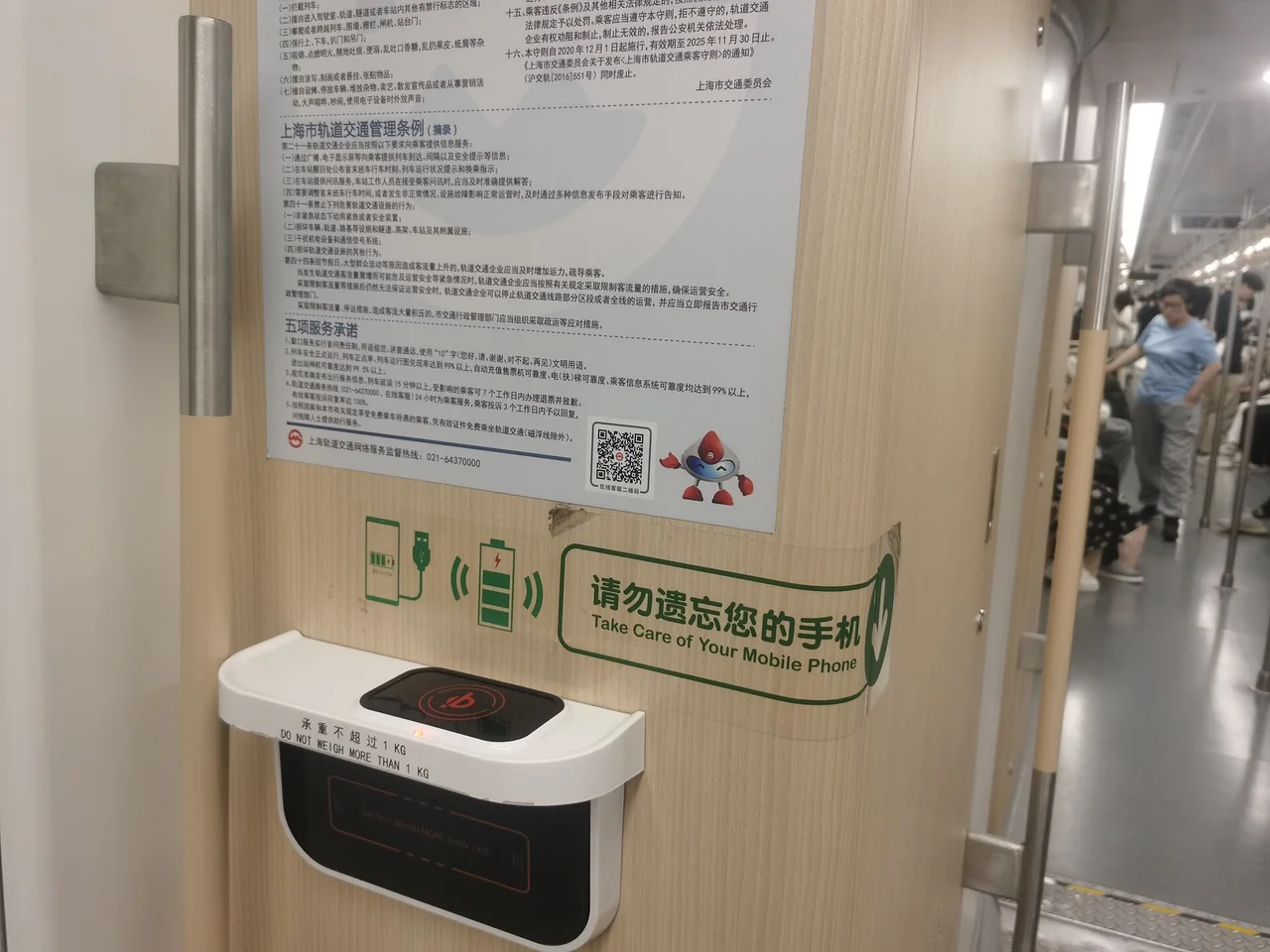
What three sellers published on 3 October 2026
All three sell their China plans as data only, with no Chinese phone number, and they’re priced in US dollars. These are their published terms when we checked on 3 October 2026, unchanged from our first check the day before; prices move with promotions, so check the seller’s page on the day you buy.
Airalo lists China Unicom as the network for its local China eSIM. Its unlimited plans cost $27.00 for 7 days and $69.00 for 30 days, with shorter options from $11.50 for 3 days. “Unlimited” here means full speed for the first 3 GB each day, then 1 Mbps, which Airalo describes as enough for messages and maps but not for heavy streaming; full speed resets every 24 hours, counted from when you start using the package. Its regional Asia and Global eSIMs also cover China and, according to Airalo, use the same routing.
Holafly sells unlimited China plans at $27.50 for 7 days and $73.90 for 30 days, from $11.90 for 3 days. You can share 1 GB a day through a hotspot. Holafly says that in rare cases the network operator applies a fair usage policy that slows the connection for no more than one day. It also says coverage can be weaker in remote mountain areas.
Yesim shows an unlimited plan at $4.32 for a single day, and fixed packs such as 10 GB for 30 days at $22.32, a discount on its listed $33.60. Its page warns that speeds may be limited under the network operator’s fair usage policy, and it asks for no ID.
For a like-for-like comparison, a week of unlimited data costs $27.00 at Airalo and $27.50 at Holafly, and a month costs $69.00 and $73.90. The price gap is small; it’s the speed terms that differ. Airalo publishes a hard figure, 3 GB a day at full speed. Holafly publishes no daily figure and describes slowdowns as rare and short, but stops hotspot sharing at 1 GB a day. For maps and messages on the phone itself, both hold up, since Airalo says even its slowed speed is enough for them. If you’ll run a laptop off your phone every evening, read those two limits before you pick.
Neither Airalo’s nor Holafly’s China plan covers Hong Kong or Macao: Airalo says its China eSIM doesn’t include them, and Holafly says its China eSIM is for the mainland only, with a separate one needed for Hong Kong.

VPNs and the licence rule
Some sellers market a “built-in VPN” or a “VPN included”. Whatever the label, the legal position for travellers comes from China’s own rules, which the UK Foreign Office summarises: online products and services such as VPNs need a licence from the Chinese government. Its advice is to stay informed and follow Chinese law, and that’s ours too.
The FCDO also notes that access can be restricted further around key political events and dates. Don’t build a work trip around one connection: download offline maps, save booking confirmations as files, and keep your hotel’s address in Chinese characters on your phone.
A Chinese SIM instead: the +86 trade-off
A local SIM gives you something no travel eSIM does: a Chinese +86 number, which receives domestic texts without roaming.
The Beijing government’s guide makes buying one fairly simple. Take your passport to a service hall run directly by China Mobile, China Unicom or China Telecom, or to the “Beijing Service” counters at Capital and Daxing airports; you can also apply online and collect at the airport. Not every branch handles foreign applicants, so the guide suggests calling the branch ahead to check. One passport covers up to five SIM cards, there’s no processing fee, and you pay the operator’s standard tariff.
The trade-off is the filter. A Chinese SIM is on a Chinese network in every sense, so the blocked list applies to it in full. You can also carry both: the travel eSIM for data and the local SIM for a number.

Phone numbers and the SMS problem
A data-only eSIM can’t receive texts, and that matters in China more than most places. WeChat Pay and Alipay send verification codes by SMS, and so may your bank when it sees a card payment from abroad. Keep your home SIM switched on next to the eSIM, with texts allowed while roaming, or finish every set-up before you fly. The payment guide covers the wallet set-up those codes are for.
Check, too, that your phone takes an eSIM and isn’t locked to your home carrier. Install the eSIM at home over Wi-Fi; Airalo says you can connect your eSIM in advance, so the plan is ready when you land. The six apps worth installing can go on in the same sitting, while you’re still on your home network.
The first ten minutes after landing
Switch the eSIM line on for data, leave roaming enabled for it, and turn off Wi-Fi before the plane reaches the gate. Open a map, then a messaging app, then your email. If all three load on mobile data, the routing works and you can relax.
If something stalls, restart the phone once and check that the eSIM line, not your home SIM, is selected for data. Then fill in or show your arrival card and walk to immigration; the official card is free, and the entry guide explains where to find it. Leave the airport Wi-Fi alone. It’s the first of many networks where your blocked apps will stop working.
Read also

Before you go · 9 min read
China in Winter: Weather, Crowds and What Stays Open
Verified · 13 October 2026January lows run from -22.9°C in Harbin to 19.5°C in Sanya. Which cities have heating, when winter hours start, and which week is crowded.

Before you go · 8 min read
Chinese New Year 2027 in China: What Closes and When
Verified · 10 October 2026New Year's Day is 6 February 2027; the State Council hadn't set the break by mid-October 2026. What closed in 2026, the rail window, dates to watch.

Before you go · 13 min read
China Itinerary: 10 Days or 2 Weeks by Train (2026)
Verified · 3 October 2026Beijing, Xi'an and Shanghai in 10 days with one night train, or 2 weeks with Pingyao and Hangzhou: real 12306 trains, fares and what to book when.

Before you go · 13 min read
Mutianyu vs Badaling: Great Wall Day Trip from Beijing
Verified · 6 October 2026Badaling is 19-23 minutes by train from Qinghe; Mutianyu is quieter, with a ¥140 return cable car. Tickets, buses and passports, section by section.