
China in Winter: Weather, Crowds and What Stays Open
January lows run from -22.9°C in Harbin to 19.5°C in Sanya. Which cities have heating, when winter hours start, and which week is crowded.
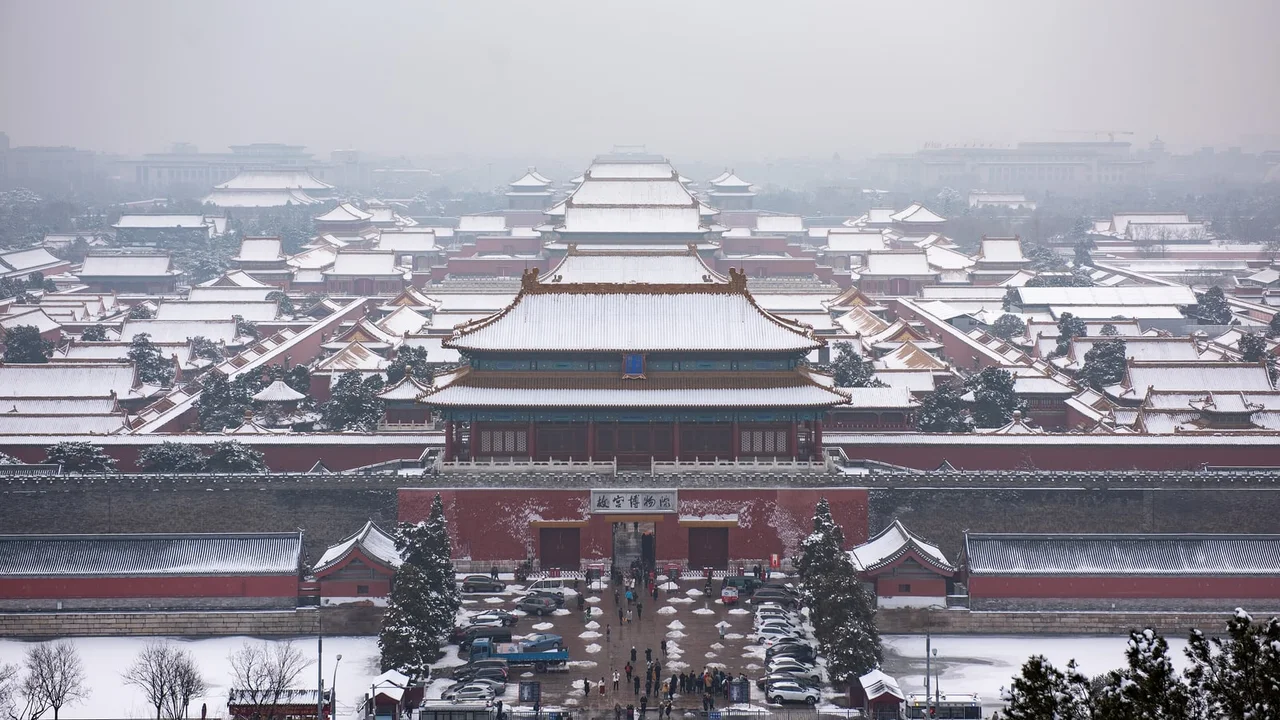
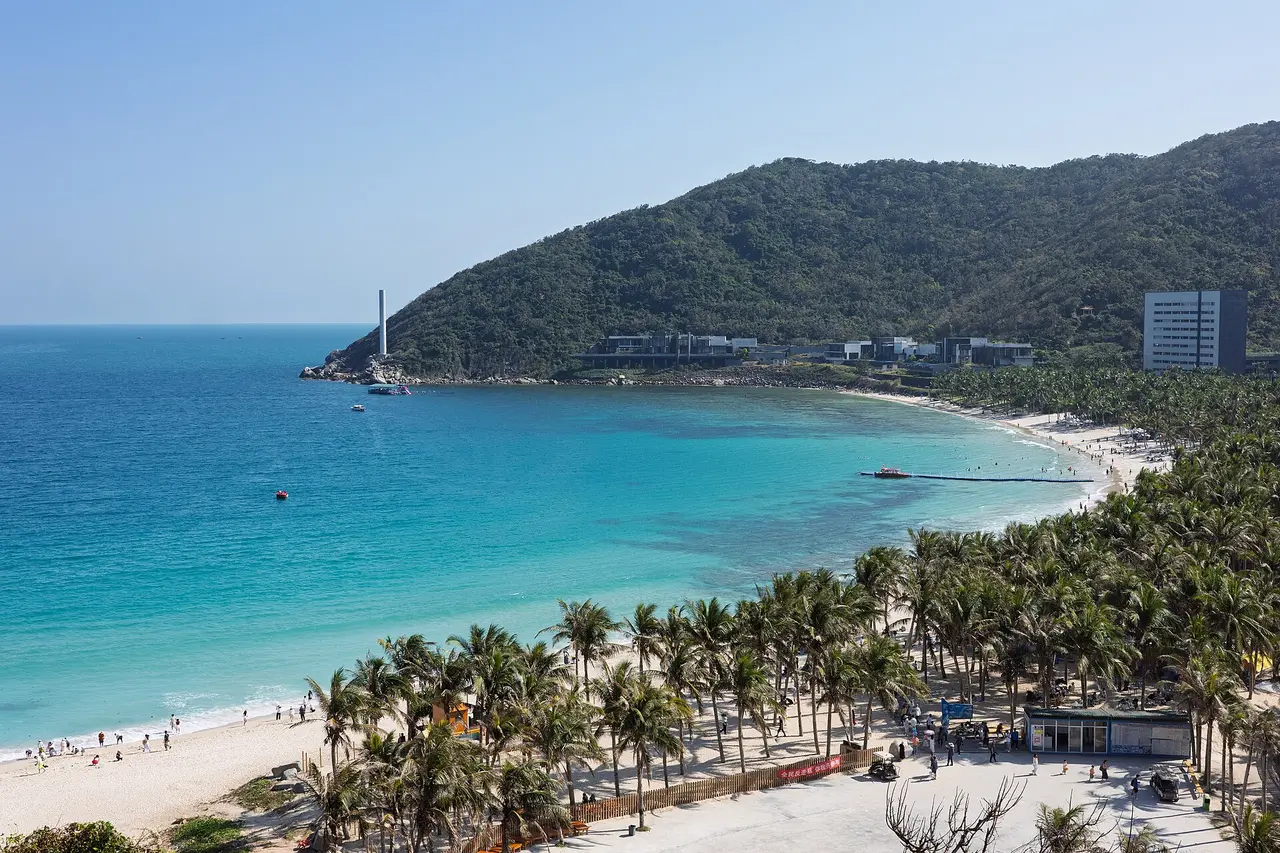
China doesn’t have one winter. On the China Meteorological Administration’s averages for 1981-2010, a January afternoon in Harbin tops out at -12.0°C and one in Sanya at 26.9°C, 38.9 degrees apart. The average January afternoon in Harbin is colder than the average January night in Beijing (-7.3°C). Where you go matters more than when, with one exception: the Spring Festival, which in 2027 starts on 6 February and is the week that changes how crowded everything is. Almost every major sight stays open all winter, only on shorter hours, and the real surprise is indoors: the room you sleep in is likely to be warm or cold depending on which side of a line you’re on.
One January, ten climates
The table runs north to south. Highs and lows are monthly means of the daily maximum and minimum, so a real afternoon can be several degrees either side.
| City | January high / low | January precipitation | North of the heating line |
|---|---|---|---|
| Harbin | -12.0 / -22.9°C | 4.2 mm | Yes |
| Beijing | 1.8 / -7.3°C | 2.8 mm | Yes |
| Xi’an* | 4.7 / -3.6°C | 3.5 mm | Yes |
| Shanghai | 7.9 / 1.8°C | 60.7 mm | No |
| Chengdu | 9.1 / 2.6°C | 8.7 mm | No |
| Chongqing | 10.3 / 6.2°C | 19.7 mm | No |
| Guilin | 11.6 / 5.7°C | 65.7 mm | No |
| Kunming | 15.9 / 3.5°C | 15.8 mm | No |
| Guangzhou | 19.0 / 10.8°C | 44.3 mm | No |
| Sanya | 26.9 / 19.5°C | 6.5 mm | No |
*Xi’an’s series covers 2005-2015; the others are 1981-2010.
Three things the table says that a “cold or warm” label doesn’t:
- January is the low point everywhere. In all ten cities the average low is lower in January than in December or February, so a trip at either end of winter is measurably milder than the middle.
- The south is wet, the north is dry. Shanghai and Guilin average more than 60 mm of precipitation in January, more than 20 times Beijing’s. A Shanghai January at a night low of 1.8°C is a damp cold, and that’s what gets through a coat.
- Kunming has the widest day-night swing in the table: 12.4 degrees between the afternoon high and the night low, against 6.5 in Chengdu. It’s a sweater-at-noon, jacket-by-six city, not a coat city.
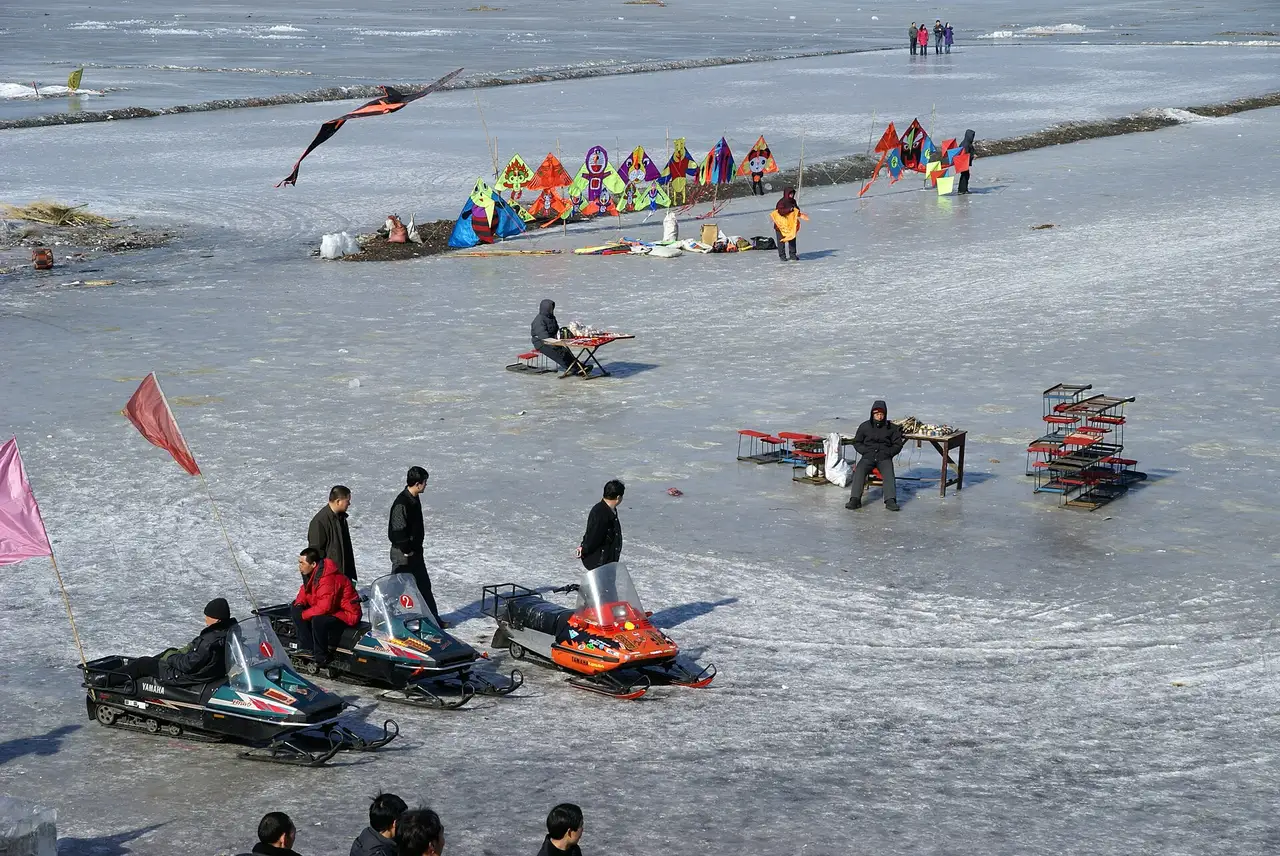
For the cold end, Harbin’s own page covers what to wear and how the city handles -22.9°C nights. For Beijing in the same months, see the Beijing guide.
The heating line that decides your hotel room
Central heating in China follows a geographic line, not the thermometer. China Daily describes it as running north of the Qinling Mountains and the Huaihe River, between 32 and 34 degrees north: cities above it get public heating in winter, and people below it rely on air conditioners and electric heaters. That’s why the last column of the table splits as it does: Xi’an stands on the north side of the Qinling range, and Chengdu, Chongqing and Guilin lie south of it.
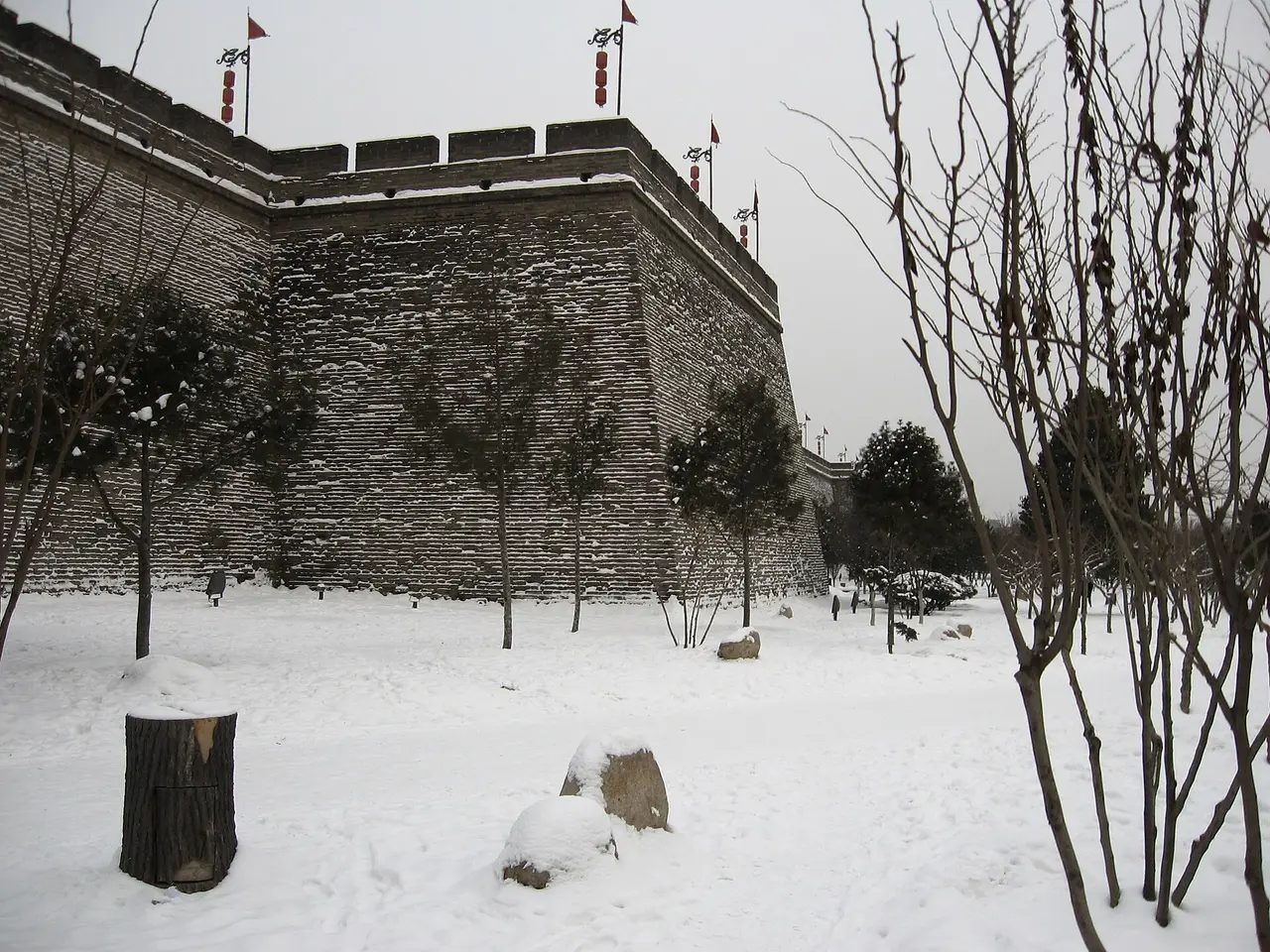
Beijing’s heating period is set by city rules at 15 November to 15 March, and the city government can move it for the weather, according to Guangming Daily’s report of October 2025. So in a cold snap before 15 November the radiators can still be off, and a trip after mid-March has them off again.
The practical consequence runs against the number outside. A -22.9°C night in Harbin ends in a heated room, while Shanghai’s 1.8°C ends in whatever the room’s own air conditioner can do. Our reading, not a measurement, is that rooms in Chengdu, Chongqing, Shanghai and Guilin feel colder than their outdoor figures suggest, so pack a warm layer for indoors as well. We haven’t compared heating in specific hotels, so ask before booking if it matters to you.
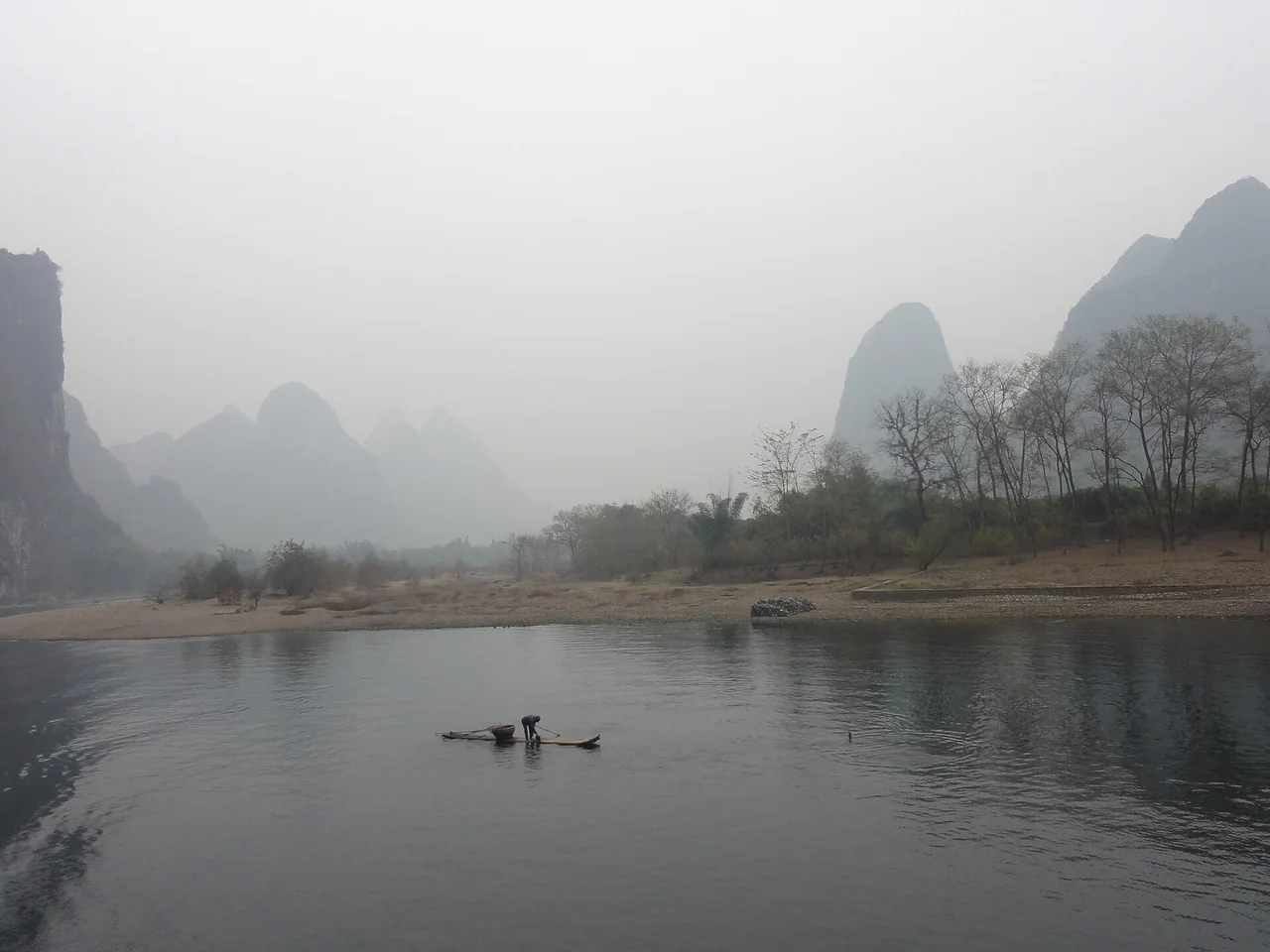
Short days: Harbin’s sun sets two hours before Chengdu’s
All of China runs on Beijing time, UTC+8, whatever the longitude. In winter that stretches the day oddly. These are our own calculations for 21 December 2026, the shortest day, to the nearest minute from city-centre coordinates:
| City | Sunrise | Sunset |
|---|---|---|
| Harbin | 07:11 | 15:51 |
| Beijing | 07:32 | 16:52 |
| Shanghai | 06:48 | 16:55 |
| Xi’an | 07:46 | 17:38 |
| Chengdu | 07:57 | 18:06 |
| Kunming | 07:50 | 18:24 |
Harbin’s sun is down at 15:51 and Chengdu’s more than two hours later. In the north that matters for planning: on its winter timetable the Palace Museum closes at 16:30, before Beijing’s sunset on the shortest day, so a Great Wall morning plus an afternoon at the palace is a tight day in December and a comfortable one in October. In Harbin the opposite logic holds: the ice parks are built to be seen lit, so the late afternoon is the point, not the end of it. The ice festival page has the season’s tickets and dates.
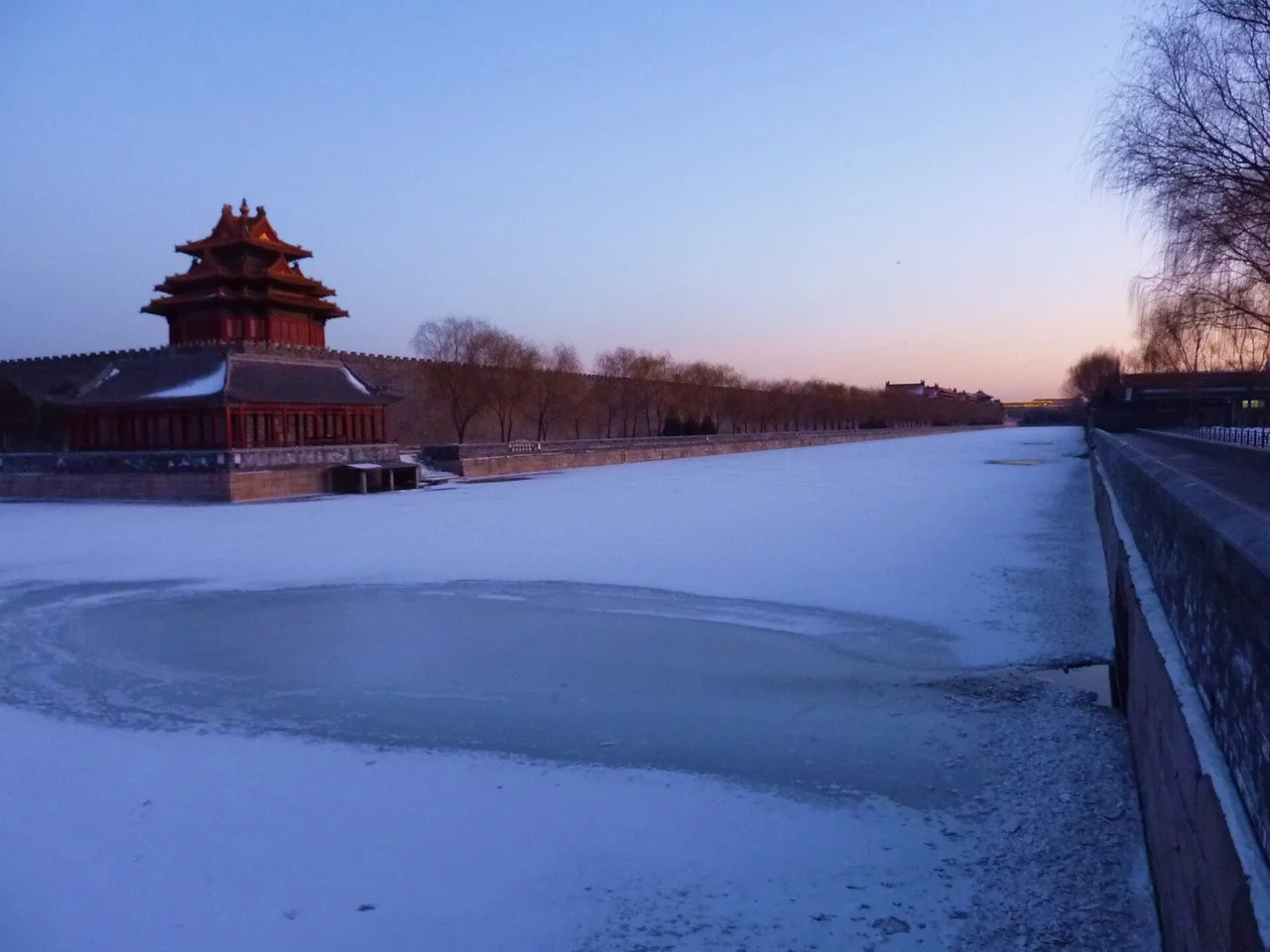
Winter hours: the dates the schedules switch
Nothing on this list closes for the season. What changes is the clock, and the dates it changes on aren’t the same, which creates a fortnight where one sight is on winter hours and its neighbour isn’t.
| Sight | Winter schedule starts | Runs to | Details |
|---|---|---|---|
| Palace Museum (Forbidden City) | 1 November | 31 March | Forbidden City tickets |
| Badaling Great Wall | 1 November | 31 March | Mutianyu vs Badaling |
| Mutianyu Great Wall | 16 November | 15 March | Mutianyu vs Badaling |
| Terracotta Army | 16 November | 15 March | Terracotta Warriors tickets |
Dates are from each operator’s own page, read on 13 October 2026; the hours and prices that go with them live on the linked pages, and they’re the ones to check before you set off. One thing follows from the table: between 1 and 15 November the Palace Museum and Badaling are on their winter timetable while Mutianyu and the Terracotta Army are still on their summer one, so a trip that straddles those dates can’t assume one rule for all of them.
If you’d rather not juggle closing times yourself, a driver-guide day takes the transfer timing off your hands, which is the part winter makes tightest.
The crowd is the Spring Festival, not the cold
The cold months themselves don’t have a published crowd measure we can point to, so we won’t claim December is empty. The one crowd we can document is the Spring Festival. Chinese New Year’s Day 2027 falls on Saturday 6 February, according to the Hong Kong Observatory’s table, and the week around it is when domestic travel peaks and the rail rush starts weeks before it. Our Chinese New Year page has the three dates, the rail rush and what closed in 2026.
For a winter trip the practical advice is the same as in any month, only sharper: book named tickets early and avoid the first week of the festival. The Terracotta Warriors page shows how fast a holiday date sells out.
What the averages hide
Three limits are worth stating plainly.
The table is a handful of cities. It doesn’t cover the high plateau, Xinjiang or the far north-east beyond Harbin, where winter is more severe and road and rail disruption more likely than anything above suggests.
Averages aren’t forecasts. Harbin’s own ice park closed on 21 February 2026 after warm temperatures on two days broke historical extremes and the sculptures melted, which is a reminder that a mean of 1981-2010 is a guide to normal winters, not to the one you’ll get. The ice festival page tells that story.
Entry rules can move the trip. The 30-day visa-free entry that British, Canadian, Australian and most EU passports use covers arrivals until 31 December 2026 as currently announced, and the previous extension came on 4 November 2025; American passports aren’t on the list and need a visa or the 240-hour transit. A trip in January or February 2027 depends on a renewal, and we didn’t find one announced when we checked on 13 October 2026. Check the visa page before you pay for anything non-refundable.
Read also

Before you go · 8 min read
Chinese New Year 2027 in China: What Closes and When
Verified · 10 October 2026New Year's Day is 6 February 2027; the State Council hadn't set the break by mid-October 2026. What closed in 2026, the rail window, dates to watch.

Before you go · 13 min read
China Itinerary: 10 Days or 2 Weeks by Train (2026)
Verified · 3 October 2026Beijing, Xi'an and Shanghai in 10 days with one night train, or 2 weeks with Pingyao and Hangzhou: real 12306 trains, fares and what to book when.

Before you go · 13 min read
Mutianyu vs Badaling: Great Wall Day Trip from Beijing
Verified · 6 October 2026Badaling is 19-23 minutes by train from Qinghe; Mutianyu is quieter, with a ¥140 return cable car. Tickets, buses and passports, section by section.

Before you go · 8 min read
Apps to Download Before You Go to China (2026)
Verified · 3 October 2026WeChat, Alipay, Amap, DiDi, Railway 12306 and NIA 12367: what each does for a visitor, what to set up at home, and which to install first.