
Chinese New Year 2026 in China: What Closes and When
New Year's Day is 6 February 2027; the State Council hadn't set the break by mid-October 2026. What closed in 2026, the rail window, dates to watch.
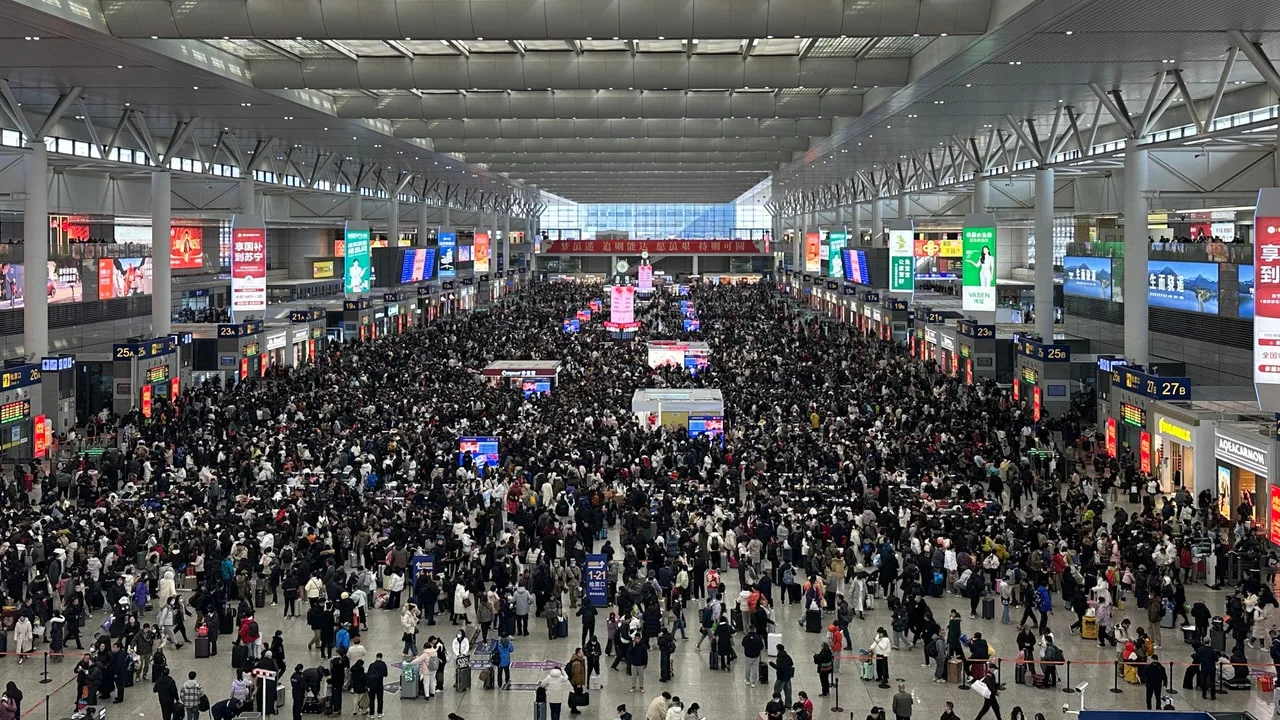
Chinese New Year’s Day 2027 falls on Saturday 6 February, and New Year’s Eve is the Friday before. How many days off China gets around them isn’t settled yet. The State Council published the 2026 schedule on 4 November 2025 and the 2025 one on 12 November 2024, and as of 10 October 2026 there’s no 2027 notice. So what follows comes from what operators actually did in 2025 and 2026, the first two Spring Festivals under the rules revised in November 2024. The Palace Museum shut for a single day. The Terracotta Warriors had their busiest days in three years. A London visa centre closed for four days. The railways counted 538 million passenger trips in 40 days. None of that is a forecast for 2027, but it’s a sound guide to what you can book now and what to leave open.
Three dates to pin: 5, 6 and 20 February 2027
| Date | What it is |
|---|---|
| The Friday before New Year’s Day 2027 | New Year’s Eve, the last day of the twelfth lunar month |
| Saturday 6 February 2027 | Chinese New Year’s Day, the first day of the Year of the Goat |
| Saturday 20 February 2027 | The fifteenth day of the first month, the Lantern Festival |
These come from the Hong Kong Observatory’s conversion table for 2027. The date moves because it follows the lunar calendar: New Year’s Day was 29 January in 2025 and 17 February in 2026, so 2027 falls between the two. The lunar new year also runs for fifteen days, and some places treat the whole stretch from the eve to the 20th as the festival and change their rules for all of it, as you’ll see below.
How many days off: the 2027 notice is still to come
The break isn’t a fixed number. Under the rules the State Council set in November 2024, Spring Festival leave counts eight days starting from New Year’s Eve, except in special cases. In 2025 that meant 28 January to 4 February, with Sunday 26 January and Saturday 8 February as working days to make up for it. In 2026 the State Council gave nine days, 15 to 23 February, with Saturdays 14 and 28 February worked.
For 2027, an eight-day break counted from the eve would run from that Friday to Friday 12 February. Treat that as arithmetic and not as a date, because 2026 got a ninth day and the notice decides. The last two notices came on 12 November 2024 and 4 November 2025, so the first half of November 2026 is when to look for this one. Until then, keep anything fixed for 5 to 12 February refundable, and don’t build a plan around the make-up working days, which are the most likely to change.
What closed in 2026, and what only got crowded
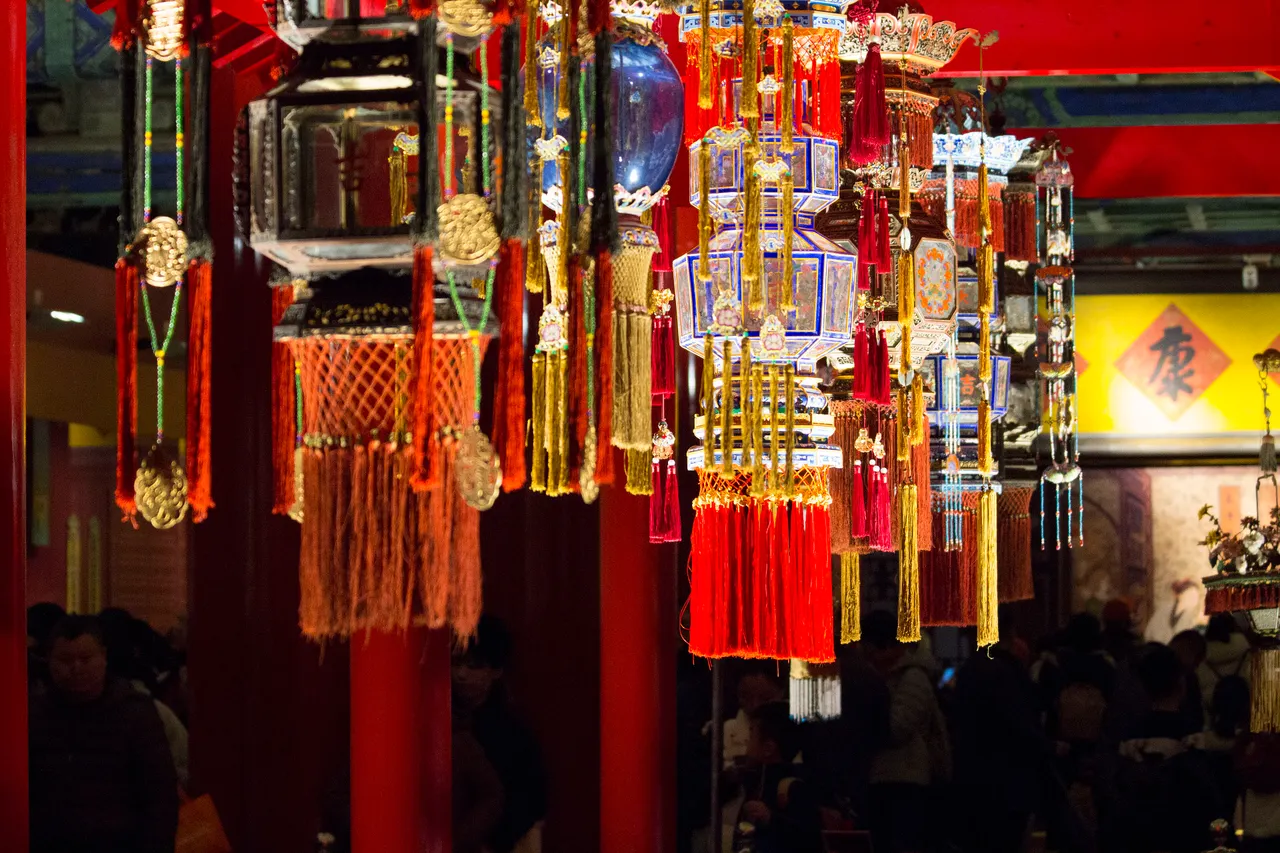
The Palace Museum closed for one day in 2026, but 16 February was a Monday, its usual closing day anyway, so the telling year is 2025. Its notice of 18 January 2025 closed it on the eve, Tuesday 28 January, and it opened on the Monday before, 27 January, a day it normally closes. The 2026 notice of 10 February shut it on 16 February, New Year’s Eve, and kept it open on 15 February and from 17 to 23 February. If 2027 follows the 2025 pattern, the eve, a Friday when the museum is normally open, is the day to avoid, and the museum announced its hours only six to ten days ahead. Its tickets for a date still go on sale seven days beforehand at 20:00 Beijing time, so our Forbidden City booking guide applies unchanged.
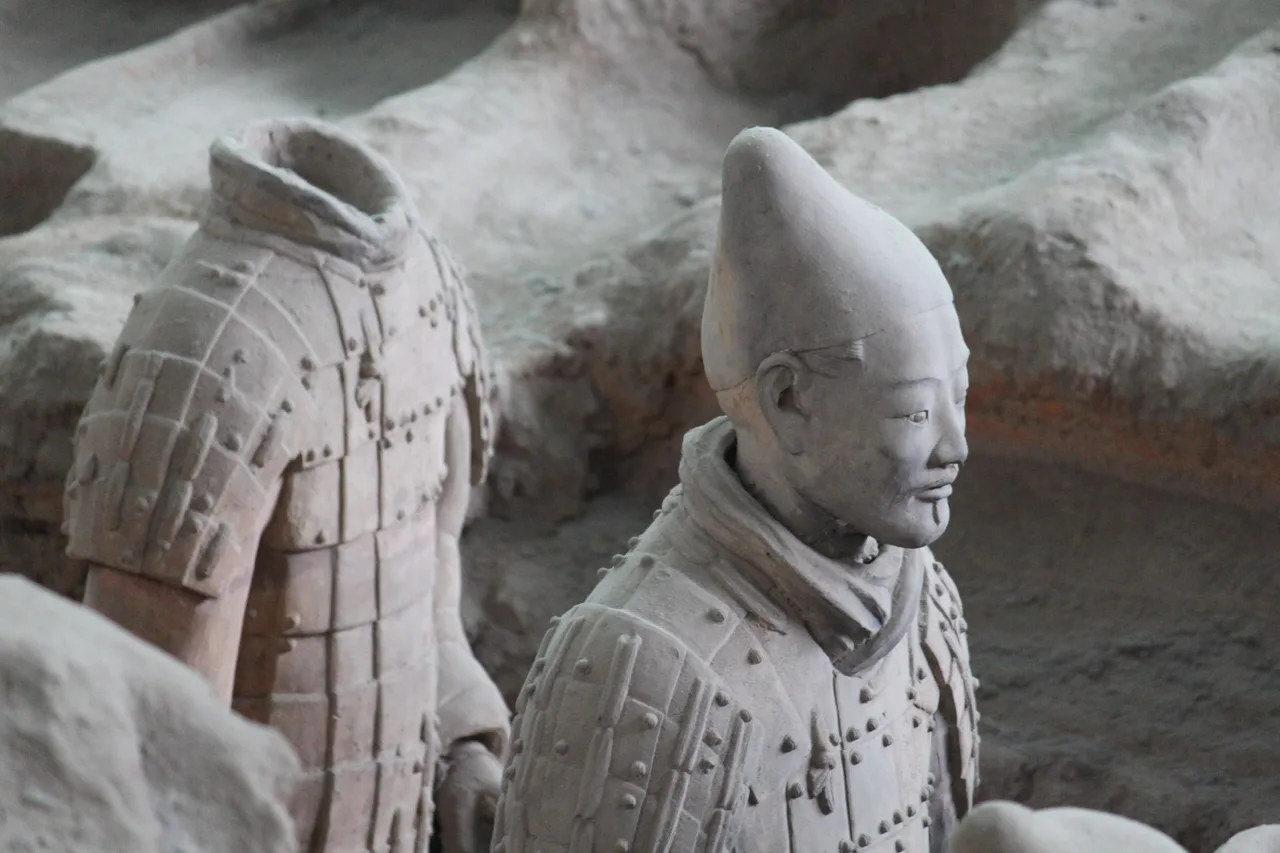
The Terracotta Warriors got busier, not quieter. From the second day of the 2026 festival, the museum had more than 70,000 visitors a day for two days running, its highest in three years, according to CCTV, although its visitor guide gives a daily maximum of 65,000; it opened earlier and closed later to cope, and expected 460,000 visitors over the holiday. The booking rules are in our Terracotta Warriors tickets guide, and the holiday dates are the ones that’ll sell out first.
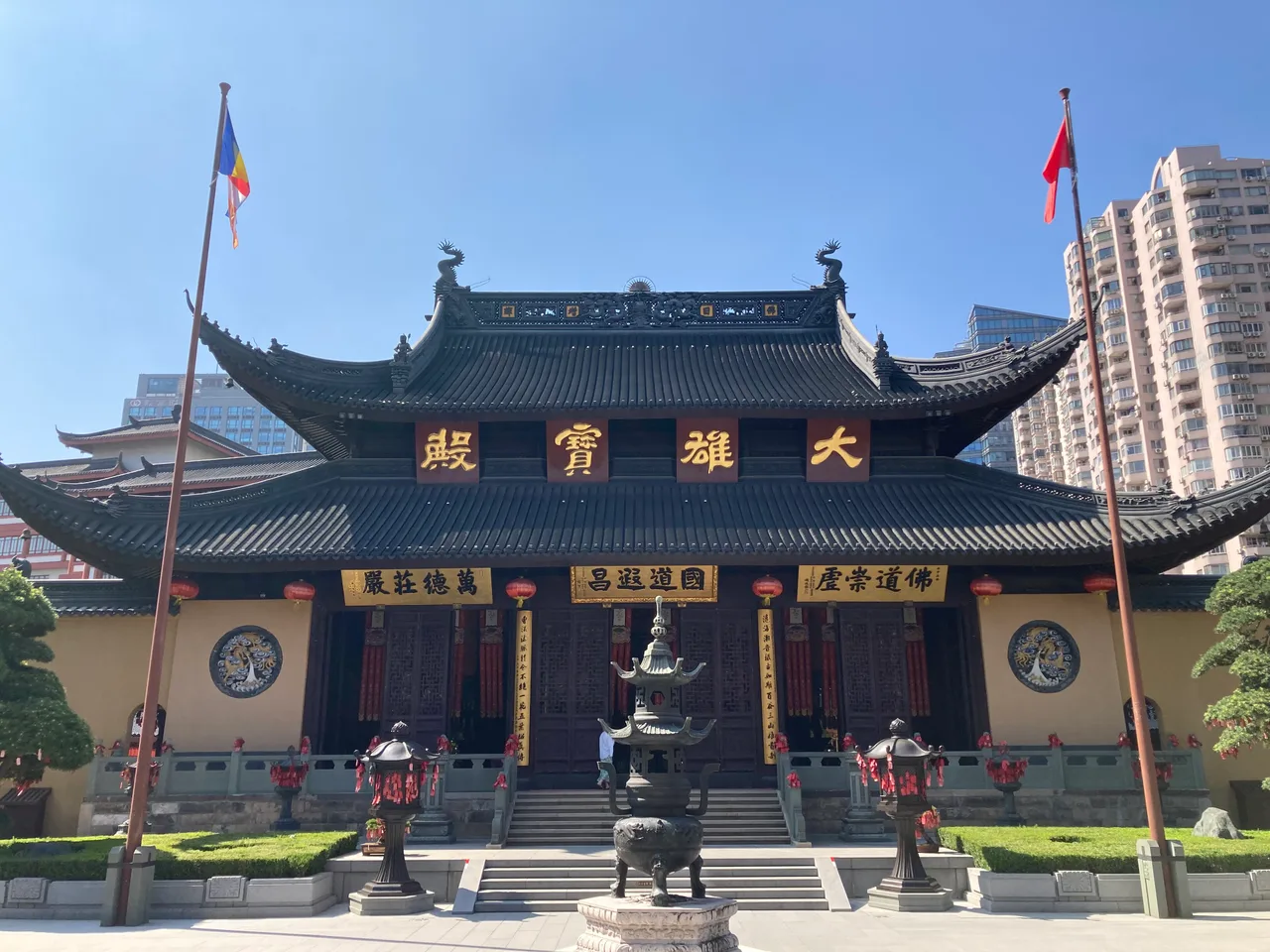
In Shanghai, the Jade Buddha Temple is the sort of place whose rules change for the lunar new year. Its notice of 13 June 2023 made entry free of the incense-and-flower ticket all year except on the night of New Year’s Eve and the first fifteen days of the lunar year, for which it announces arrangements separately. In 2027 that means the night of 5 February to 20 February, so check on the day whether you need to buy the incense ticket at the gate; our Shanghai guide has its hours.
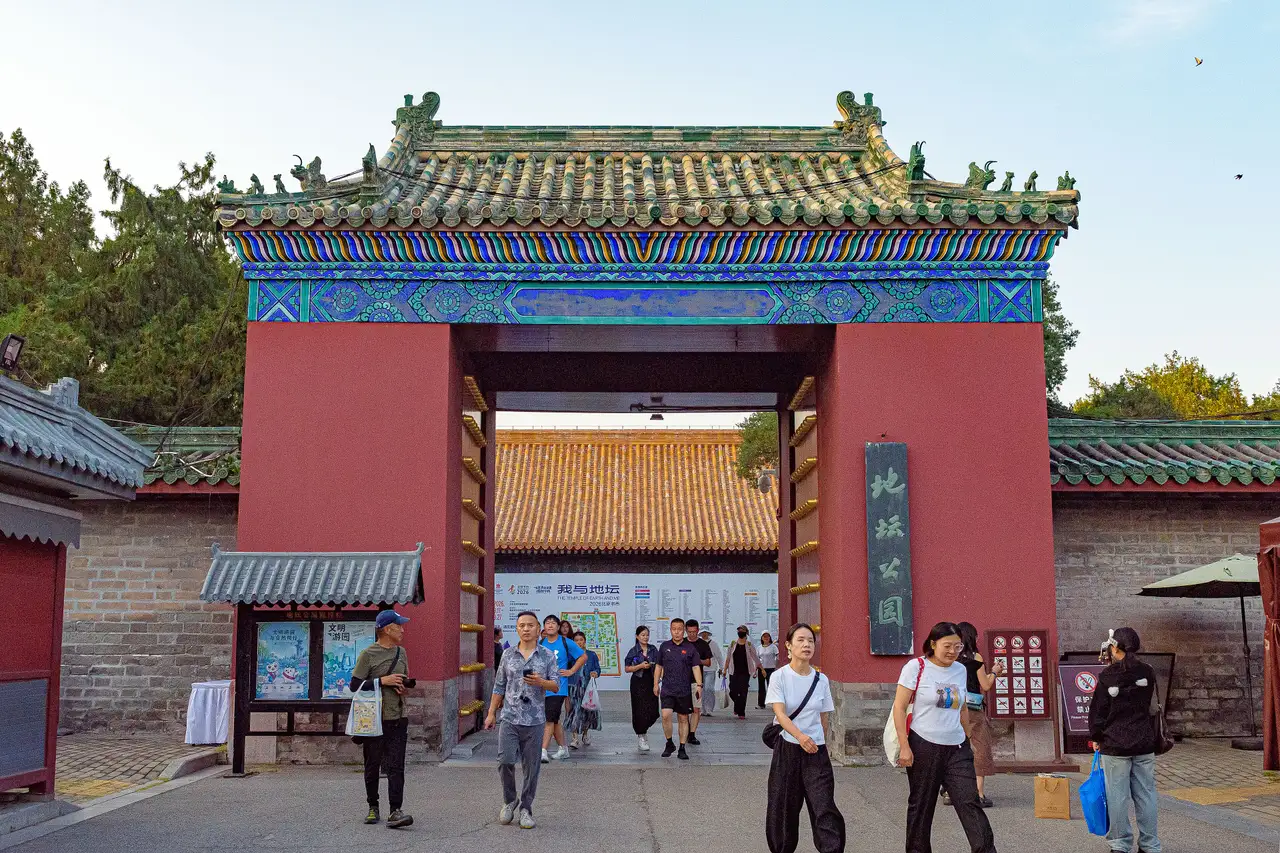
In Beijing, the temple fairs are what a visit is for. The city government’s English roundup of 18 February 2026 listed the Ditan and Longtan fairs on 17 to 23 February, the first seven days of the year. That roundup went up a day after the fairs opened, so don’t wait for English-language programmes to book around them. If the same seven days hold in 2027, they would run from 6 to 12 February.
Paperwork stops too. London’s Chinese visa centre lists its 2026 Spring Festival closure as 17 to 20 February, shorter than the national break but still four working days, so an application that needs a visit to a centre shouldn’t be timed for the week of 8 February 2027 without checking the centre’s own schedule. And the 30-day visa-free entry for UK, Canadian, Australian and most EU passports runs only to 31 December 2026 as of 10 October 2026 (Americans need a visa either way), so check where it stands in our visa guide.
Restaurants and shops are the part nobody can list for you. Each owner decides, so for the eve and the first day, ask your hotel which of the places nearby will be open, and book the eve’s dinner in advance. And if your plan is the north, Harbin’s Ice and Snow World closed for good on 21 February 2026, inside the holiday week; our Harbin ice festival guide has the story and the tickets.
Trains: 40 days, 538 million trips and a 15-day window
The rail rush has its own calendar, which starts before the holiday. In 2026 it ran for 40 days, from 2 February to 13 March. China State Railway Group had forecast 540 million passenger trips, and counted 538 million, 4.8% more than the year before. The railway’s description of the flows is useful for a visitor: before the holiday it’s mostly migrant workers and family visits, and during and after it, students, family visits, tourists and workers overlap. So you don’t only compete with people leaving; you meet the same crowd going back.
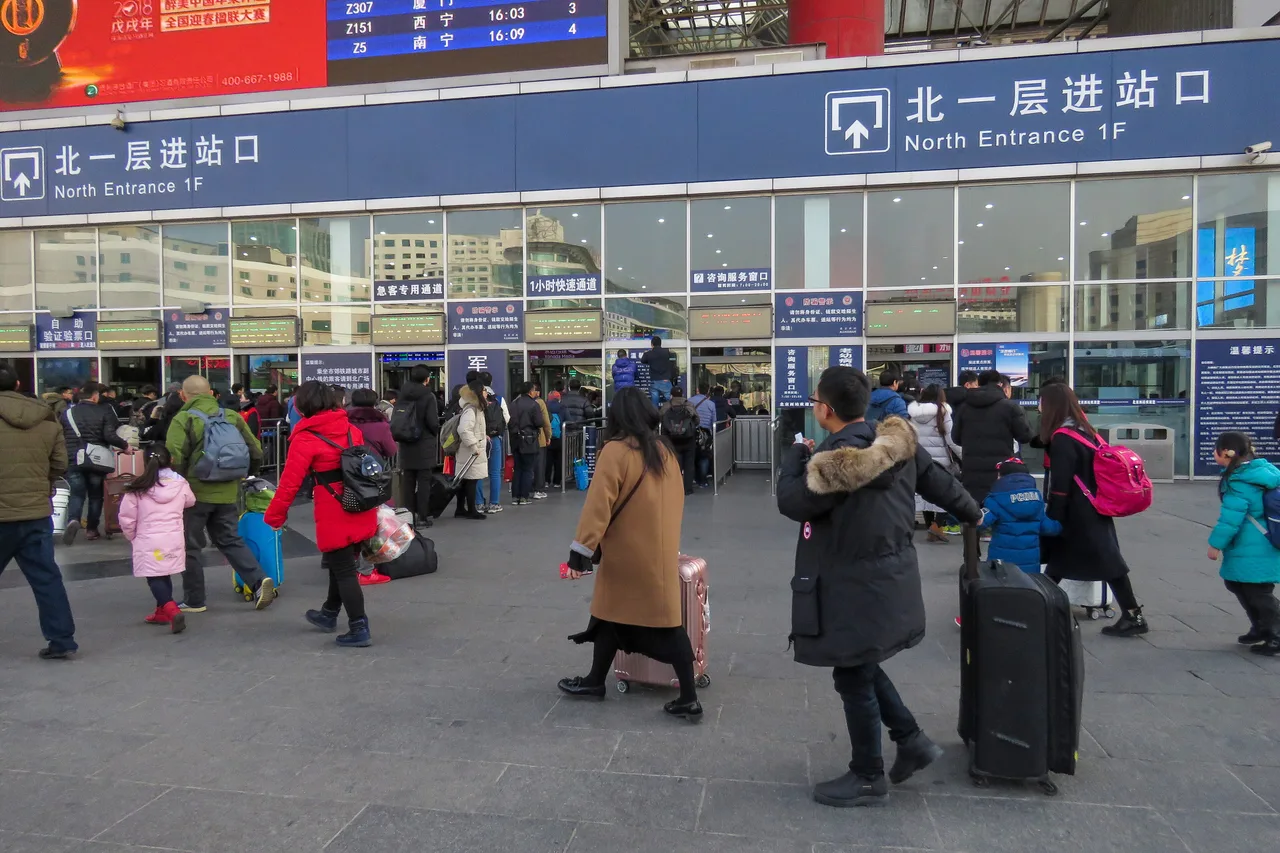
The rule that matters is the 15-day window. The railway’s January 2021 notice sets it out with a Spring Festival example: tickets for New Year’s Day, 12 February 2021, went on sale from 29 January. By the same arithmetic, tickets for New Year’s Eve go on sale on 22 January and for New Year’s Day, 6 February, on 23 January, at the hour your departure station releases them. Our 12306 vs Trip.com guide explains the window and the waitlist, and the 10-day itinerary lists the release hours station by station. On Beijing-Shanghai trains the 12306 app also takes pre-booking requests earlier than that; the 12306 guide explains who can use it.
The rush calendar for 2027 hasn’t been announced. The 2026 one started two weeks before New Year’s Eve, and the same gap would put the start of the 2027 rush on 22 January, the day the first tickets for the eve go on sale. That’s a coincidence of the arithmetic, and not an announcement.
When to check back
- First half of November 2026: the State Council’s notice on 2027 holidays, going by 12 November 2024 and 4 November 2025.
- 22 and 23 January 2027: 12306 opens sales for New Year’s Eve and New Year’s Day, by the 15-day rule.
- About 26 to 30 January 2027: the Palace Museum’s notice of Spring Festival hours, which came six to ten days before the eve in the last two years.
- 30 January 2027: Palace Museum tickets for New Year’s Day go on sale at 20:00 Beijing time.
Read also

Before you go · 9 min read
China in Winter: Weather, Crowds and What Stays Open
Verified · 13 October 2026January lows run from -22.9°C in Harbin to 19.5°C in Sanya. Which cities have heating, when winter hours start, and which week is crowded.

Before you go · 13 min read
China Itinerary: 10 Days or 2 Weeks by Train (2026)
Verified · 3 October 2026Beijing, Xi'an and Shanghai in 10 days with one night train, or 2 weeks with Pingyao and Hangzhou: real 12306 trains, fares and what to book when.

Before you go · 13 min read
Mutianyu vs Badaling: Great Wall Day Trip from Beijing
Verified · 6 October 2026Badaling is 19-23 minutes by train from Qinghe; Mutianyu is quieter, with a ¥140 return cable car. Tickets, buses and passports, section by section.

Before you go · 8 min read
Apps to Download Before You Go to China (2026)
Verified · 3 October 2026WeChat, Alipay, Amap, DiDi, Railway 12306 and NIA 12367: what each does for a visitor, what to set up at home, and which to install first.