
Mutianyu vs Badaling: Great Wall Day Trip from Beijing 2026
Badaling is 19-23 minutes by train from Qinghe; Mutianyu is quieter, with a ¥140 return cable car. Tickets, buses and passports, section by section.
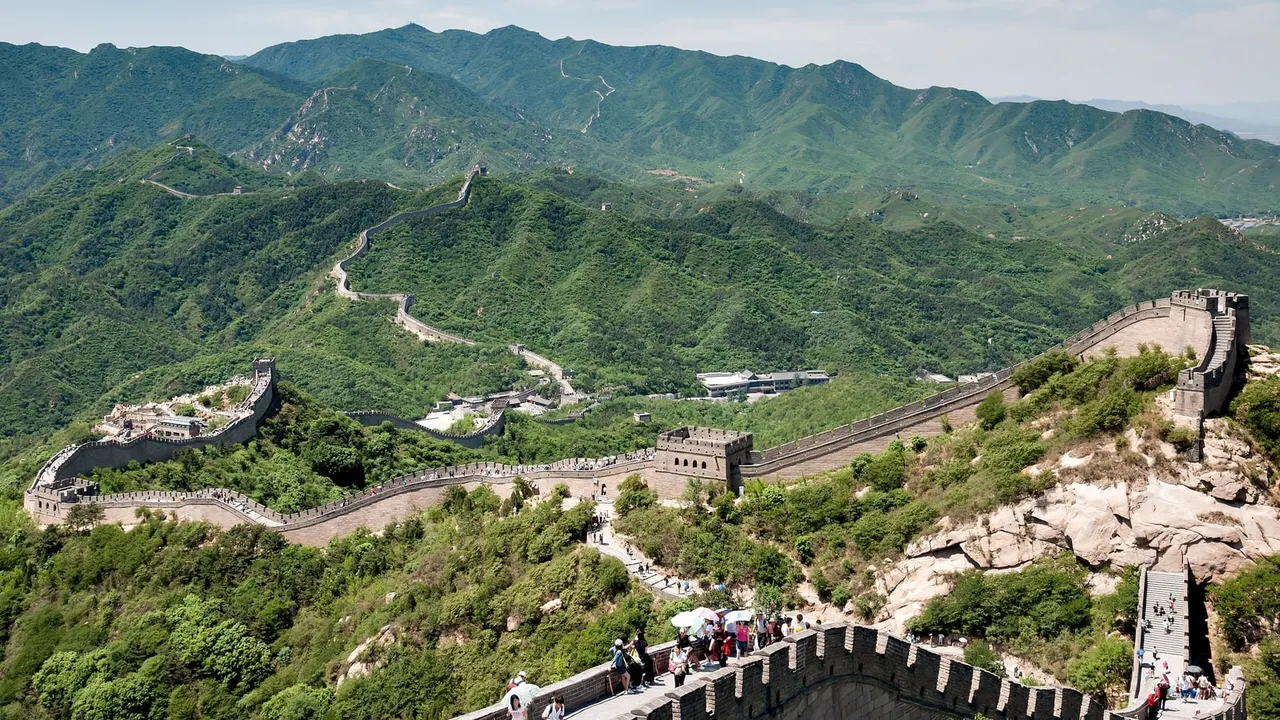
Choose Mutianyu if you want the less crowded stretch of wall and don’t mind a bus or a hired car to reach it; choose Badaling if you’d rather go by train and pay less at the gate. Badaling has its own high-speed station: for Tuesday 13 October 2026, 12306 lists 13 trains from Qinghe station taking 19 to 23 minutes, at ¥16-25 in second class (about $2.40-3.70, £1.80-2.80), when we checked on 6 October 2026. Mutianyu, 70 km from the city, is reached by road, and once you’re there a ¥140 return cable car (about $21 or £16) lifts you to tower 14.
Crowds are the other half of the choice. Badaling had 10.52 million visitors in 2023, a record since it opened in 1958, according to Beijing’s civilisation office; Huairou district counted 1.63 million at Mutianyu in the first nine months of 2024, more than 350,000 of them from abroad. The periods differ, but the gap between the two is several-fold; it isn’t a matter of a few per cent. Both sections are open seven days a week, which makes either one a good fit for a Monday, when the Forbidden City is shut.
The two sections in numbers
| Mutianyu | Badaling | |
|---|---|---|
| Distance from Beijing | 70 km, Huairou district | 60 km, Yanqing district |
| Public transport | buses, with a 3 km shuttle to the gate | high-speed train or bus 877 |
| Adult admission | ¥45 with a souvenir postcard on the English booking page; ¥40 on the Chinese page | ¥40 April-October, ¥35 November-March |
| Cable car | ¥140 return, ¥100 one way | two lines, return tickets sold until 13:00 |
| Under-18s | free for Chinese nationals; foreign under-18s ¥25 on the English booking page | free with valid ID, foreign visitors included |
| Over-60s | no senior ticket on the English booking page | free with valid ID, foreign visitors included |
| Booking | real name, up to 30 days ahead, passport | real name online (WeChat), or the ticket office |
| Open wall | towers 1-20 by day | north tower 12 to south tower 7.5 |
| Visitors | 1.63 million, January-September 2024 | 10.52 million in 2023 |
Prices come from each section’s operator or Beijing’s tourism authorities, checked on 6 October 2026; for Mutianyu they’re the ones its booking platform shows for a visit on 13 October 2026. Mutianyu also charges ¥15 for the return shuttle bus between the service area and the gate, and children up to 1.2 m tall ride the shuttle and the cable car free.
Badaling: a train into the mountain
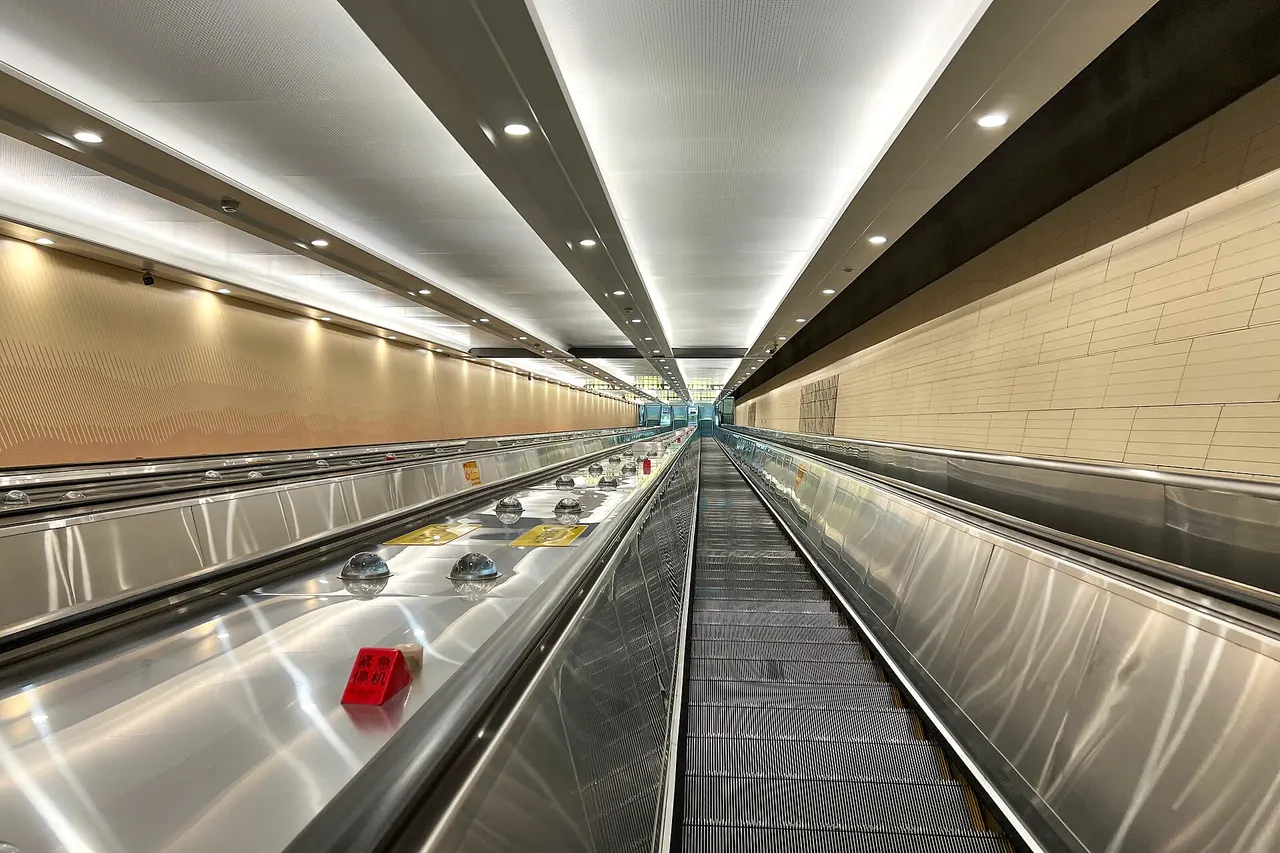
The surprise at Badaling is the station. Badaling Great Wall station, on the high-speed line to Zhangjiakou, lies under the hill below the scenic area’s Guntiangou car park, up to 102 m down at its deepest point. China Railway describes the way out as a lift up 20 m and then three escalators, each 84 m long, rising another 42 m: 62 m of climbing, about 8 minutes from platform to daylight, and you’ll come out next to the wall rather than in a town.
For Tuesday 13 October 2026, 12306 lists 15 trains out to Badaling:
- From Qinghe: 13 trains, the first at 06:40 (G7839, arriving 06:59, ¥21), taking 19 to 23 minutes for ¥16-25 in second class.
- From Beijing North: 6 trains, 27 to 40 minutes, ¥25-31. Four of them also call at Qinghe, where the same seat is cheaper and the ride shorter.
- Back: 14 trains between 07:35 and 20:43. From 14:00 they leave at 14:01, 14:43, 15:39, 16:24, 17:32, 18:14, 19:43 and 20:43; the 17:32 runs to Beijing North only, the rest stop at Qinghe.
Qinghe station is in Haidian district, on metro Line 13 and the Changping line, so count the ride out there from your hotel on top of the train’s 19 to 23 minutes. Fares vary by train: on that Tuesday the cheapest second-class seat was ¥16, on the 10:09 D1091. Book the way you’d book any Chinese train, on 12306 or an agent; our 12306 vs Trip.com comparison covers the passport check and when sales open.
Bus 877 is the budget alternative. It leaves from Deshengmen and runs non-stop along the G6 expressway, usually in about 70 minutes, for ¥12, less with a transport card or a QR code (Beijing municipal government, July 2024). Beijing Public Transport’s timetable, checked on 10 October 2026, has buses leaving Deshengmen between 6:00 and 12:30 from 1 April to 15 November (6:30-12:30 from 16 November to 31 March) and heading back from Badaling between 10:30 and 17:00 (11:00-16:30 from 16 November). The same report noted that in summer 2024 the busiest days on the route were weekends and Mondays, partly because visitors whose Forbidden City plans were blocked by the Monday closure headed for the wall instead. If your Wall day is a Monday in the school holidays, pay the extra for the train.
Mutianyu: a bus day, or a driver
Getting to Mutianyu means a bus or a car, and the operator’s own transport page listed these ways in on 6 October 2026:
- Public bus: bus 916 from Dongzhimen to Huairou Beidajie, then a local bus towards Dongtai, which stops at the scenic area.
- Dongzhimen tourist line: one departure a day at 8:30 from the bus stop outside Dongzhimen, back at 16:00. You pay on board: sales open half an hour before departure and stop when the seats are full.
- Qianmen tourist line: from ticket booth 4 at the Qianmen departure centre at 07:30, 08:30, 09:30 and 10:30, returning at 14:30, 15:30 and 16:30. Tickets are sold at the centre or booked through the Beijing Tourist Distribution Centre.
- Private shuttles: several companies run buses from central pick-up points; they’re booked through their own WeChat accounts and Chinese travel apps.
- By car: the Jingcheng Expressway to exit 13, then follow the signs.
Whatever you arrive in, you’ll be dropped at the service area, and the gate is about 3 km further up. The ¥15 shuttle bus covers that stretch both ways, and the operator sells it on its own or bundled with admission. The Qianmen line suits a first visit best, with four morning departures and three returns to choose from, while the Dongzhimen line has one bus each way, so missing it ends the plan. The operator’s transport page gives no fares or journey times for any of these buses, so ask for both when you book. For a car with a driver, or a guided trip that collects you from your hotel, you’re into organised day tours.
Tickets, lifts and the passport at the gate
Mutianyu
Tickets are sold under your real name, up to 30 days ahead, on the operator’s website, which has an English booking page and a passport option. That English page sells adult admission only with a souvenir postcard, at ¥45; the ¥40 ticket without one is on the Chinese page, whose order form asks for a mainland Chinese mobile number. Each passport can buy one ticket a day. You don’t swap anything at a window: the original passport you booked with gets you through the gate, so don’t leave it at the hotel. An unused ticket can be refunded or changed until midnight on the day of the visit.
Mutianyu opens 07:30-18:00 on weekdays and 07:30-18:30 at weekends from 16 March to 15 November, and 08:00-17:30 from 16 November to 15 March. Ticket sales stop an hour before closing, entry checks half an hour before.
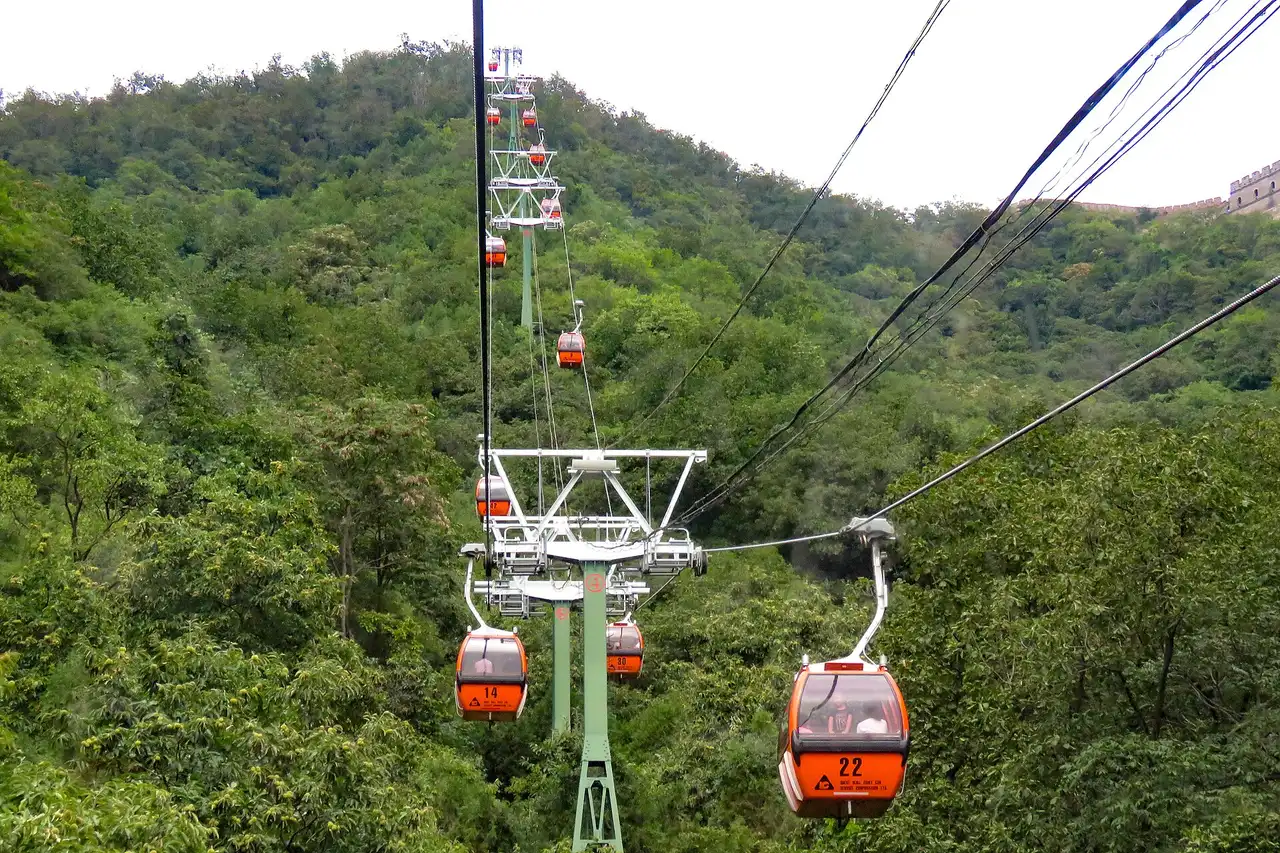
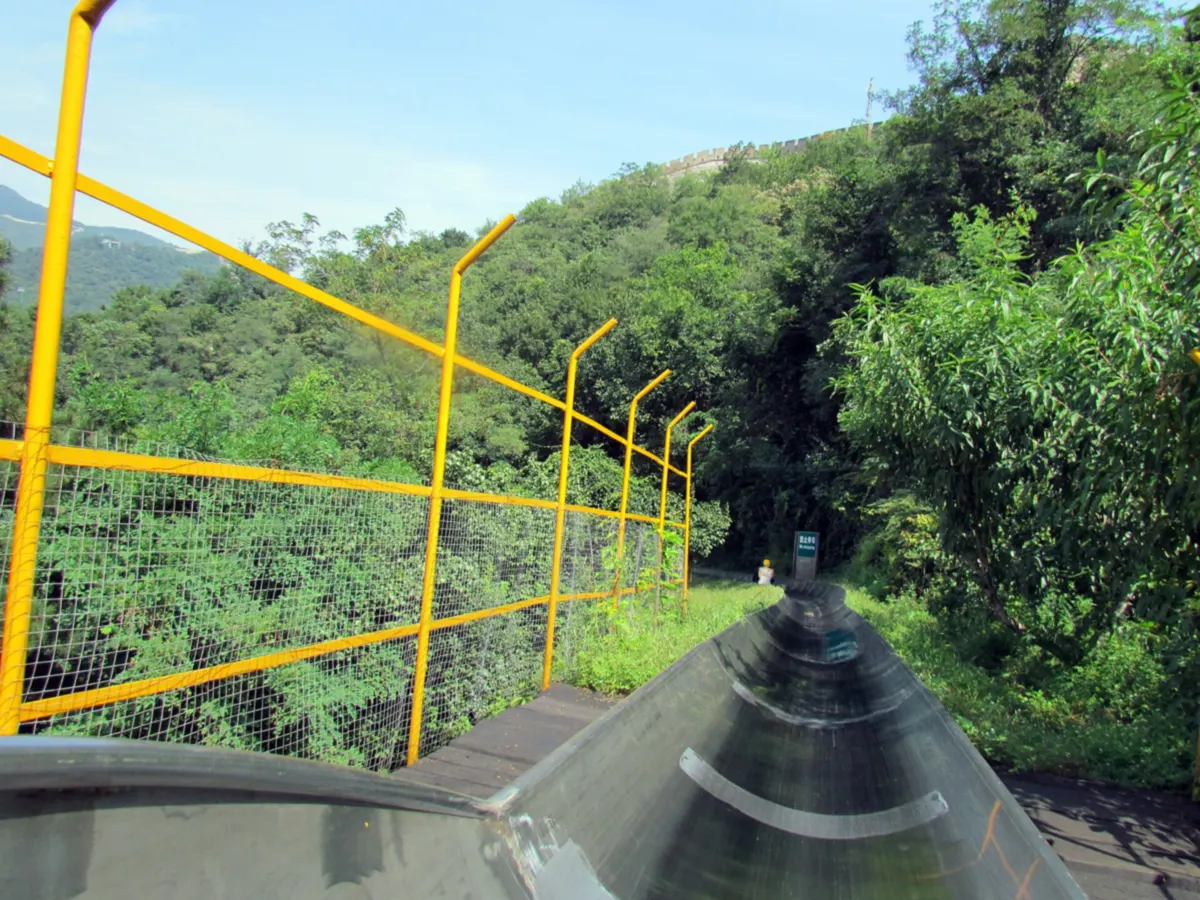
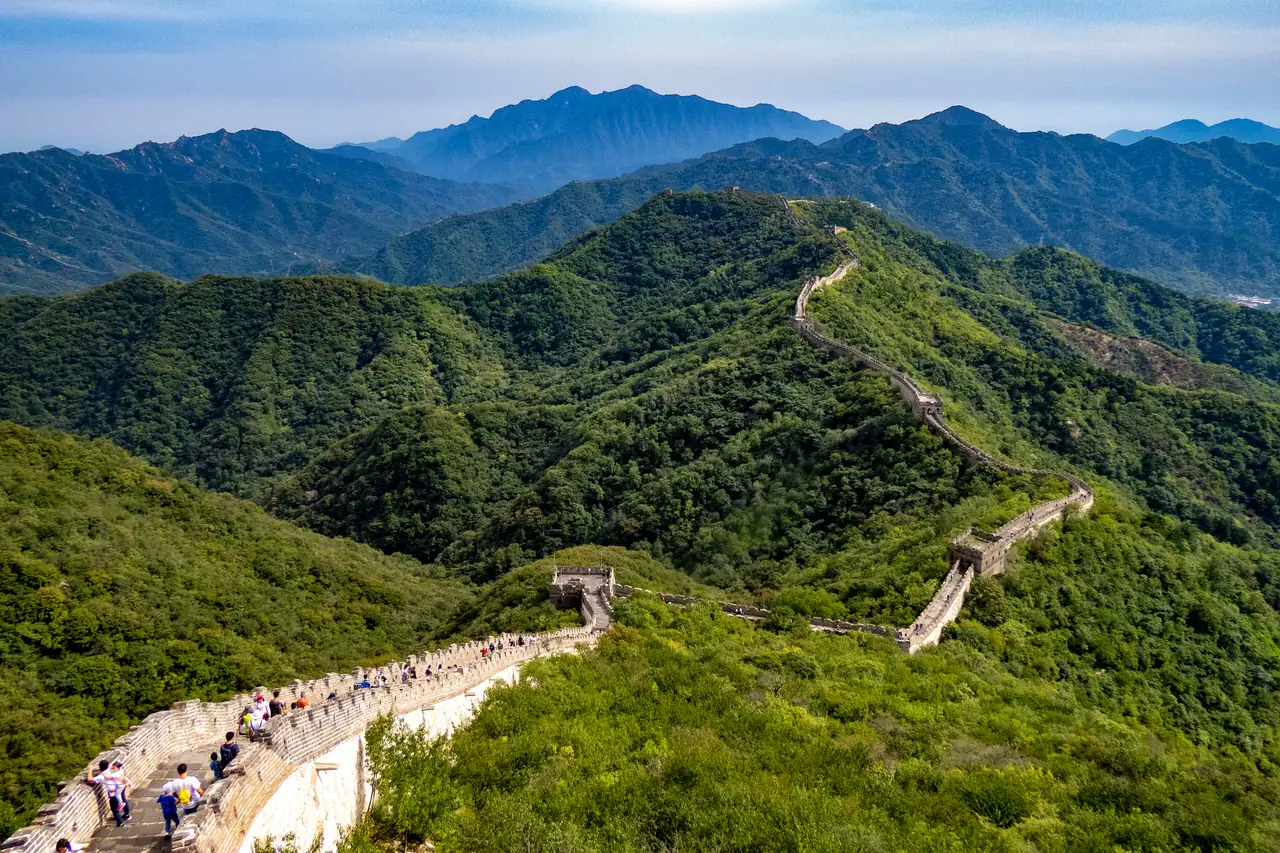
The cable car (¥140 return, ¥100 one way) runs the same hours and climbs to tower 14, at 640 m. A return ticket means coming down the way you went up. The operator’s bundle of the postcard ticket, the shuttle and a return ride costs ¥200, exactly the sum of the three, so it saves clicks rather than money. The chairlift and the toboggan, the other way up and down, are run by a different company, and the operator states plainly that their tickets aren’t interchangeable with the cable car’s. They even use different gates: cable car passengers go in at the north gate, chairlift and toboggan riders at the toboggan gate. So decide before you arrive. If the toboggan ride down is the point of the day for your children, buy that, not the cable car bundle.
On children, Mutianyu’s free under-18 ticket is for Chinese nationals, including Hong Kong, Macao and Taiwan residents. Foreign children pay the student rate instead: on the English booking page the student ticket, ¥25 with the souvenir postcard, covers under-18s as well as students aged 18 to 25, and its notes ask for the passport and a valid student ID at the gate.
Badaling
Badaling’s own visitor notice covers its hours, the open stretch and how to book, and the prices come from Beijing’s government and tourism bureau. Adult admission is ¥40 from 1 April to 31 October and ¥35 from 1 November to 31 March; full-time students over 18 who haven’t gone beyond a first degree pay half. Under-18s and over-60s go in free with valid ID, and the tourism bureau’s page says foreign nationals are treated under the same policy, which makes Badaling’s gate the cheaper one for a family on foreign passports.
Badaling sells tickets online in your real name and at the ticket office, and its notice encourages visitors to book ahead online. Beijing’s municipal government listing, updated in March 2026, also says tickets can be bought on site without a reservation. In May 2024 Yanqing district pointed foreign visitors to its “Throughout the Great Wall” ticketing platform on WeChat (ID changchengnw), which takes passports, and said the ticket office takes cash, mobile payment and foreign cards on card terminals; at the gate you show your passport, a paper ticket or the QR code. WeChat and the other apps worth installing are in our China travel apps guide.
From April to October, entry checks run 6:30-16:30 and the area closes at 17:30; from November to March it’s 7:30-16:00, closing at 16:30. The two lifts are where timing bites. The north aerial cableway starts at 7:30 and the south ground cable car at 8:50, return tickets stop selling at 13:00, and both lines finish at 16:00. Turn up after lunch and you’re buying one way, then walking down. The admission prices above cover the wall only; lift fares are separate and weren’t listed by the tourism bureau, so check them when you book.
Simatai, Huanghuacheng and Jiankou
Three other names come up when you plan a Wall day, and each answers a different wish.
Simatai, in Gubeikou town in Miyun district, runs 5.7 km from Wangjinglou to Houchuankou, and its watchtowers stand unusually close together, some less than 20 m apart, according to Beijing’s tourism bureau. Treat it as a day of its own rather than an add-on to either of the two above.
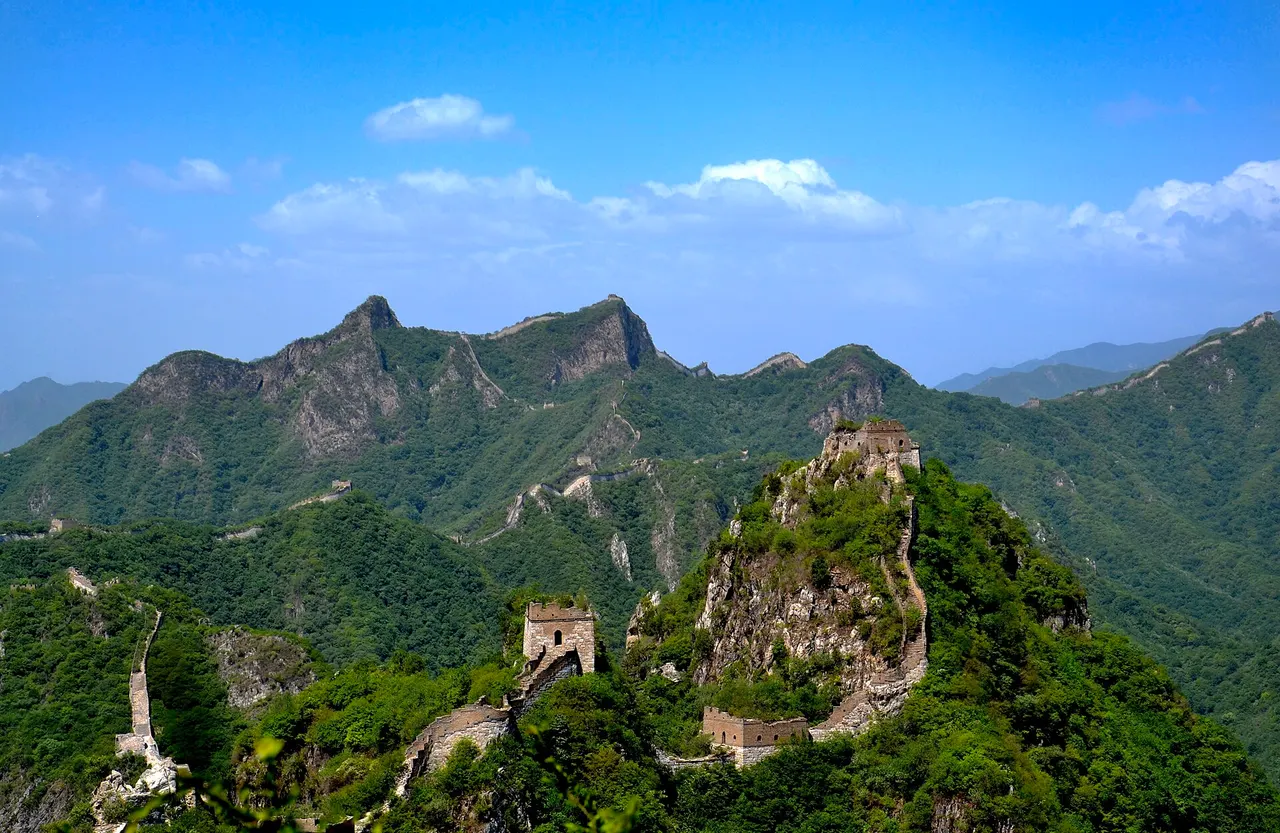
Huanghuacheng, in Huairou district, is the “water Great Wall”: a lake cuts the wall into three sections, so the ramparts run down into the lake. It’s the one to pick if the photographs matter more than the walk.
Jiankou, in Huairou, which Beijing’s tourism bureau counts among the most famous perilous stretches of the Ming wall, isn’t an open visiting area yet. In January 2025 Huairou district announced plans for booked visits to a restored stretch around towers 141 to 145; check whether that route has opened before you plan a day around it. Beijing’s Great Wall Protection Regulations, in force since 1 March 2026, have district heritage bureaus post warning signs near sections that aren’t open and allow electronic fences to warn people off climbing them. Mutianyu’s operator calls tower 14, where its cable car lands, the way towards Jiankou, but its day section stops at tower 20.
Two ways to spend the day
Either plan fits day 3 of the two-week China itinerary, the day after the palace.
A Badaling morning by train. Take the 06:40 G7839 from Qinghe and you’re at the station by 06:59; from April to October the entry checks have been running since 6:30. Walk one direction first, decide on the lift before 13:00 if you want a return ticket, and catch the 14:43 back to Qinghe (¥25 on 13 October 2026) or the 15:39. You’re in the city by mid-afternoon with time for the Beijing guide’s evening ideas.
A Mutianyu day by tourist bus. Board the 07:30 or 08:30 Qianmen tourist line, take the ¥15 shuttle up from the service area, and ride the cable car to tower 14. From there, the open wall runs to tower 20 one way and back towards tower 1 the other. Since 26 May 2026 the operator has been restoring part of the wall between towers 16 and 17, and says the inner side of tower 16 stays open during the work. Head down in the early afternoon for the 14:30 or 15:30 bus back to Qianmen, a short walk from Tiananmen and the old centre.
Read also

Before you go · 9 min read
China in Winter: Weather, Crowds and What Stays Open
Verified · 13 October 2026January lows run from -22.9°C in Harbin to 19.5°C in Sanya. Which cities have heating, when winter hours start, and which week is crowded.

Before you go · 8 min read
Chinese New Year 2027 in China: What Closes and When
Verified · 10 October 2026New Year's Day is 6 February 2027; the State Council hadn't set the break by mid-October 2026. What closed in 2026, the rail window, dates to watch.

Before you go · 13 min read
China Itinerary: 10 Days or 2 Weeks by Train (2026)
Verified · 3 October 2026Beijing, Xi'an and Shanghai in 10 days with one night train, or 2 weeks with Pingyao and Hangzhou: real 12306 trains, fares and what to book when.

Before you go · 8 min read
Apps to Download Before You Go to China (2026)
Verified · 3 October 2026WeChat, Alipay, Amap, DiDi, Railway 12306 and NIA 12367: what each does for a visitor, what to set up at home, and which to install first.