
Hangzhou in Two Nights: West Lake, Tea and Lingyin
Stay by West Lake, choose a tea-museum campus and plan Lingyin around its reservation rules. A Hangzhou stop with time beyond a Shanghai day trip.
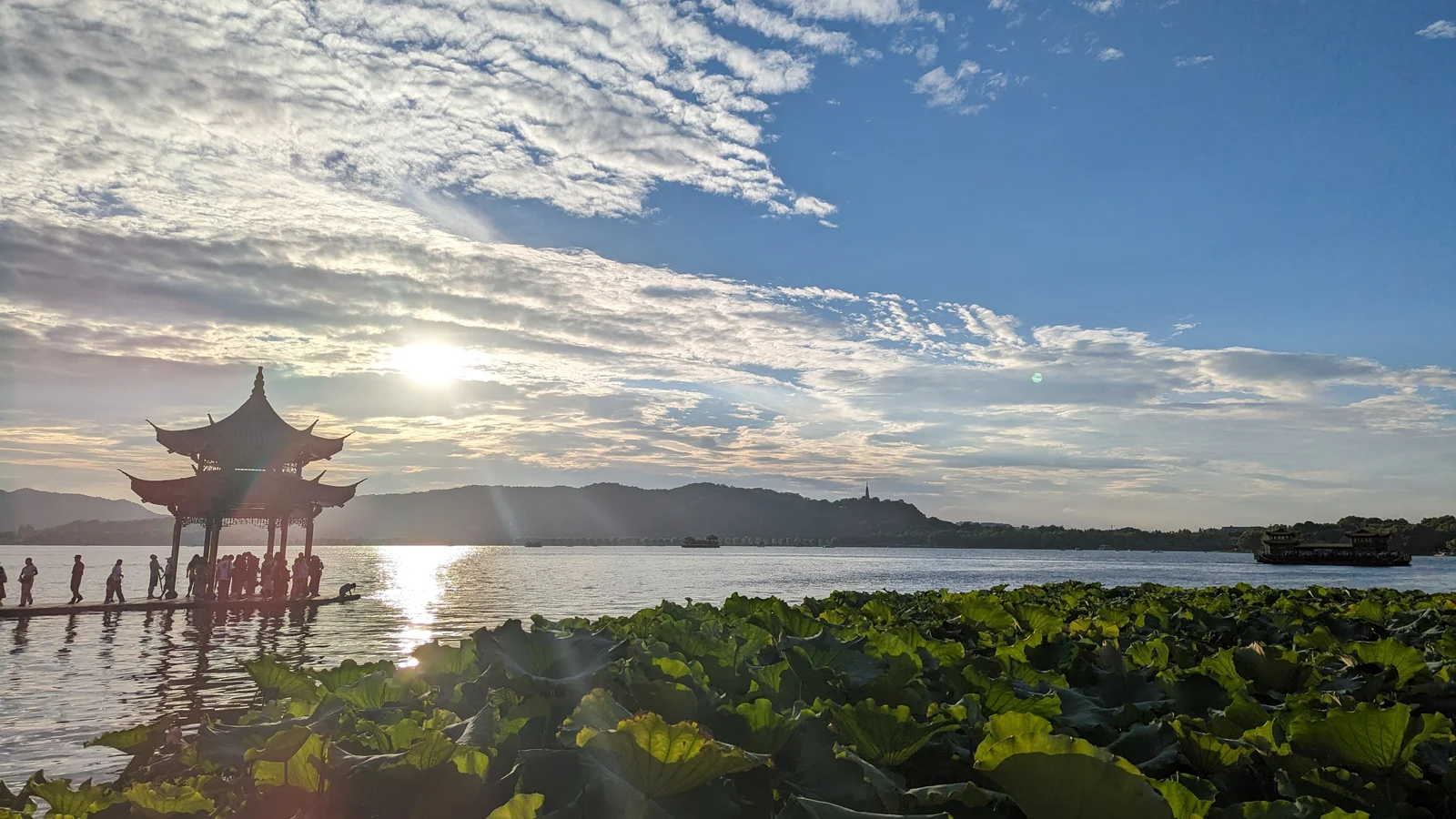
Stay two nights in Hangzhou if you want West Lake, a tea-museum visit and Lingyin without fitting everything between trains. The extra evening lets you return to the lakeshore after an outing, while a full day gives the temple reservation room to shape your plans. Check the weekday before booking: the China National Tea Museum normally closes on Tuesdays.
Hangzhou works as a separate stop before or after Shanghai, or as a place to pause around a Huangshan visit. Fast trains from Shanghai Hongqiao reach Hangzhou East in under an hour, and the Hangzhou day trip from Shanghai lists them with a one-day plan for the classic Broken Bridge shore; this page is for staying over. You can see where that pause fits in the ten-day and two-week China itineraries.
The tea museum closes on Tuesdays
Start with your arrival and departure dates, then pencil in the museum and Lingyin. Keep the arrival evening for a lakeside walk. You’ll have something worthwhile to do even if reaching the hotel takes longer than expected.
A Monday arrival and Wednesday departure could put the tea museum on Monday afternoon, if you arrive early enough, and Lingyin on Tuesday. A late Monday arrival changes that choice: leave the museum for Wednesday before a suitably late departure, or give it a separate day on a longer stay. Treat these as arrangements to choose between, with the actual train and hotel times beside them.
For one night, choose the outing that matters most and let the lake fill the remaining time. For three nights, the two museum campuses become a possible pair, with more room for the temple and a separate walk.
Where to stay: Hubin, Beishan or the tea hills
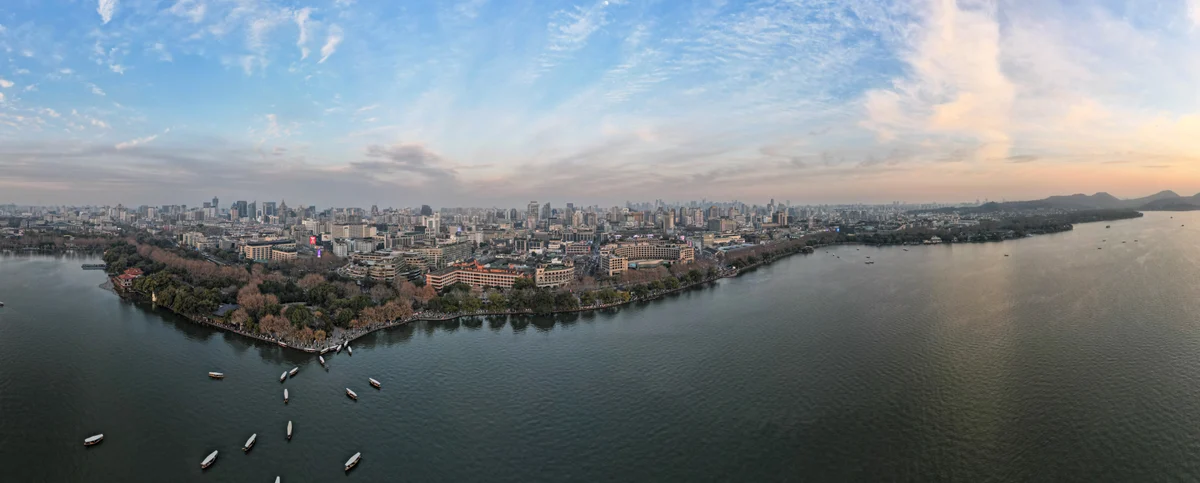
For a lake-centred stay, begin your hotel search around Hubin, the pedestrian shopping area beside West Lake, or the Beishan Street side. Put the property pin on the map alongside the shore you want to walk. A hotel whose marketing says “West Lake” still needs an address check.
Hubin suits an evening that moves between the urban streets and the water. Beishan gives you a different starting point, with historic buildings along the lake and Baoshi Hill behind the northern scenery. These are areas to investigate, rather than promises about a particular property’s views or noise levels.
If the Longjing hills are your main reason for coming, consider a base there and organise the city journeys around it. You’ll be choosing to wake up near that landscape. Ask the host how you reach the entrance with luggage, where a car can collect you and how the return from an evening elsewhere works.
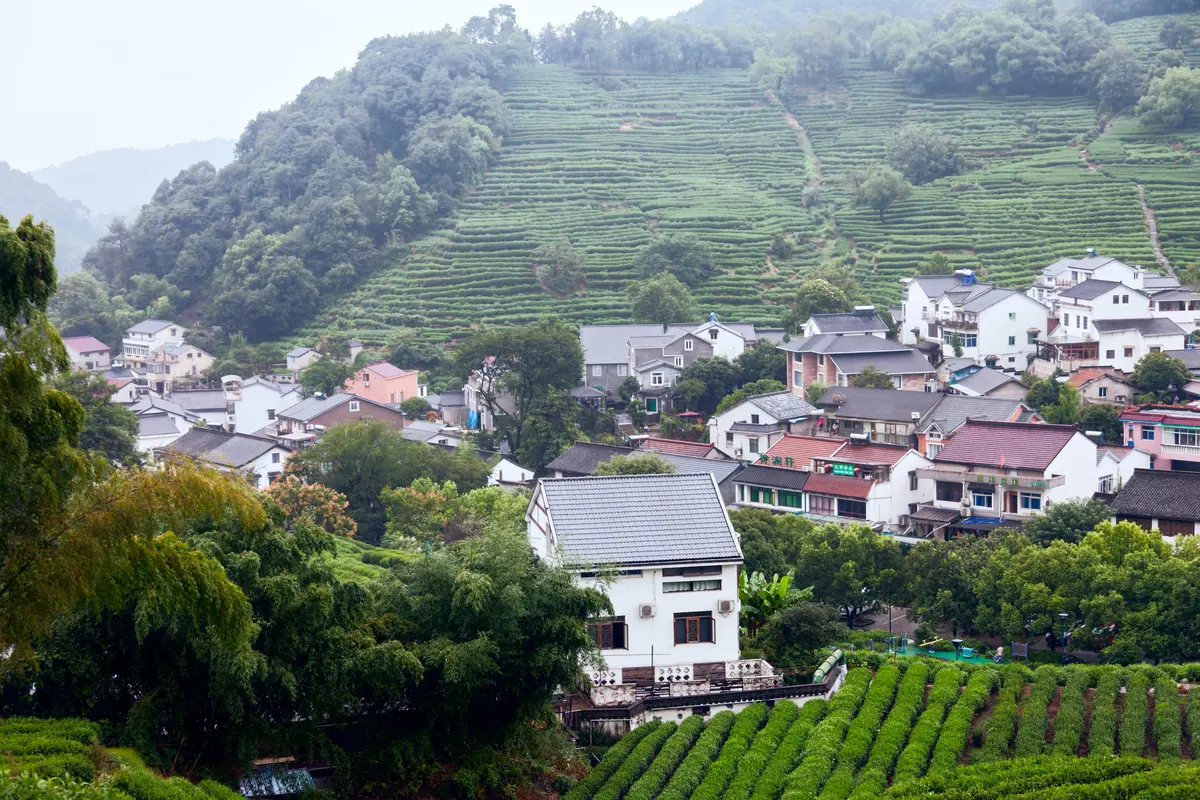
For a short visit, keep the same room throughout. Compare the approach from your actual arrival station with the journey to your chosen outing before deciding between a central hotel and a hillside address.
Read the lake as a landscape
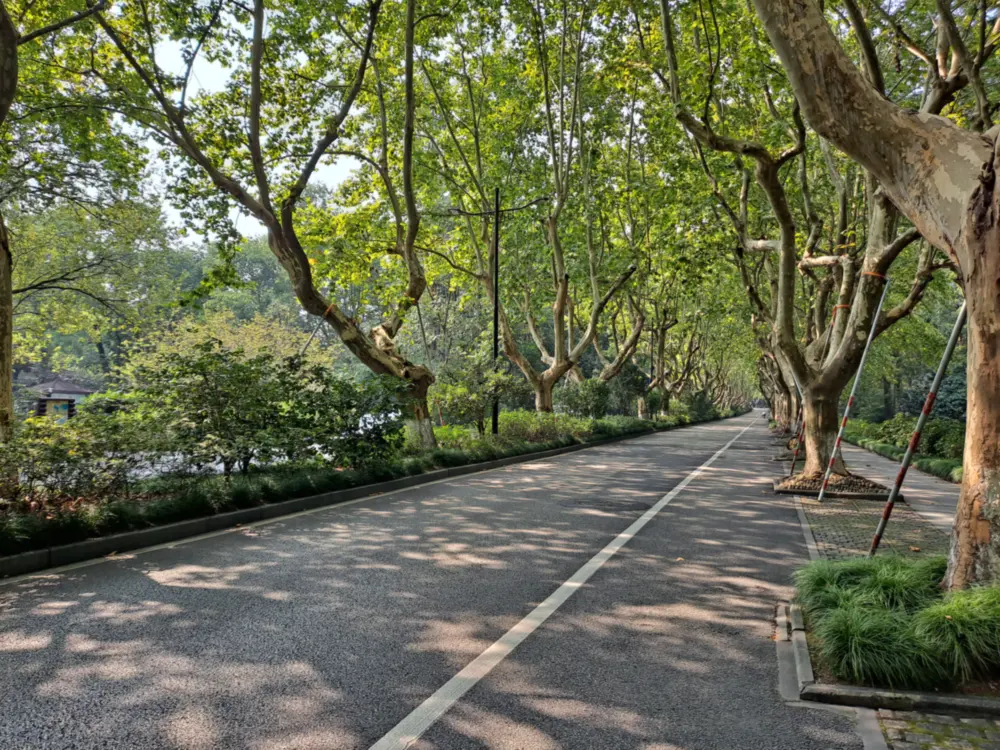
West Lake’s shape and views have been deliberately worked on over centuries. UNESCO’s description brings together the water, wooded hills, causeways, islands, gardens and religious buildings as a cultural landscape. As you walk, watch how a bridge, pavilion or line of trees changes the view across the water; that’s what the designers worked on.
Choose a section to explore; a complete circuit isn’t the test of the day. Beishan Street gives you lakeside scenery alongside historic architecture; Baoshi Hill, with Baochu Pagoda, adds a hill walk if that is what you want from the afternoon. On another outing, look towards Yanggong Causeway, roughly parallel to Su Causeway, for a different part of the lake landscape.
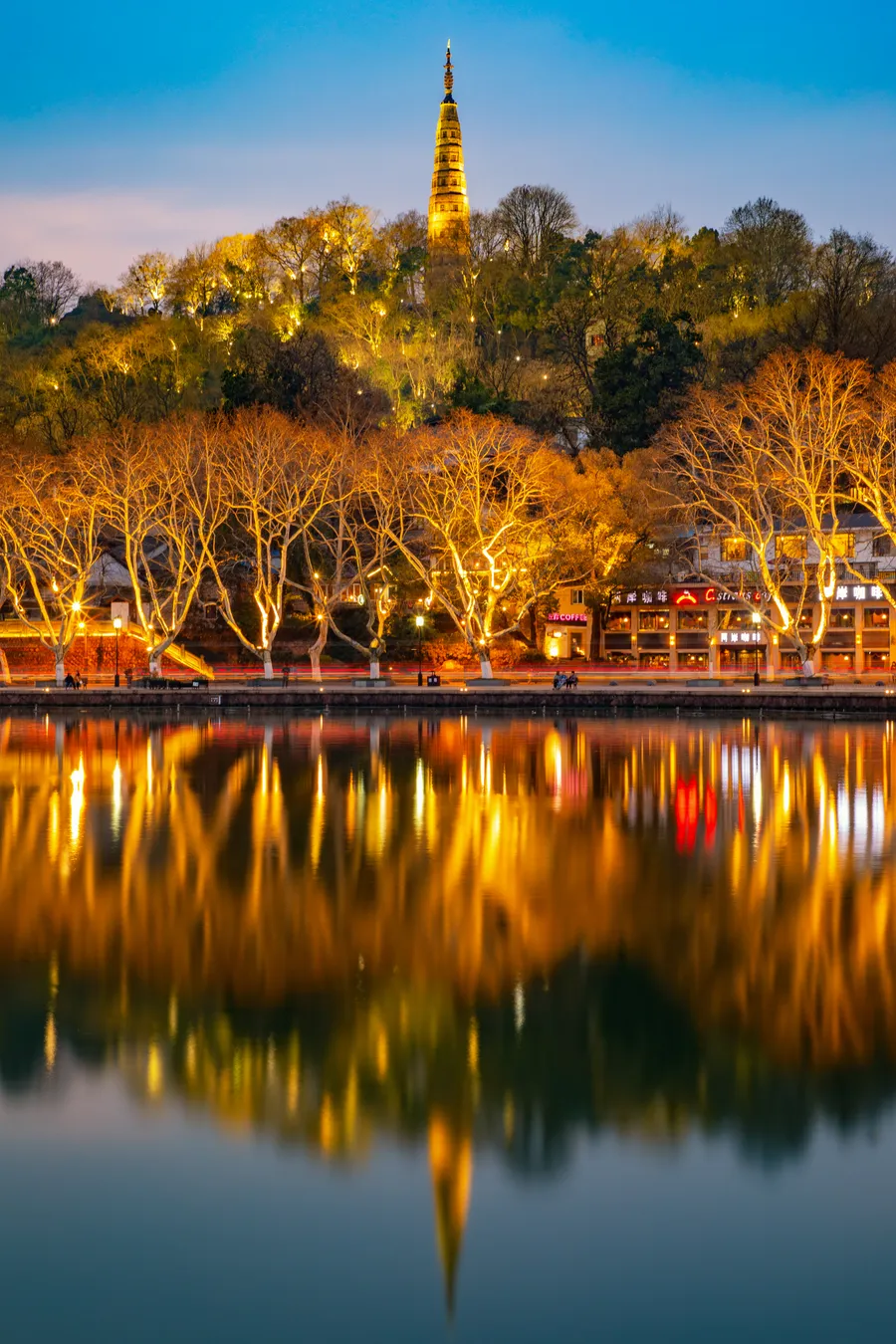
Stop where you like and come back by the stretch you enjoyed. If you add a boat ride, ask where it lands and when the last one leaves before you pay, and work out how you’ll get back from the landing, especially when another booking follows.
Give the tea museum the right day
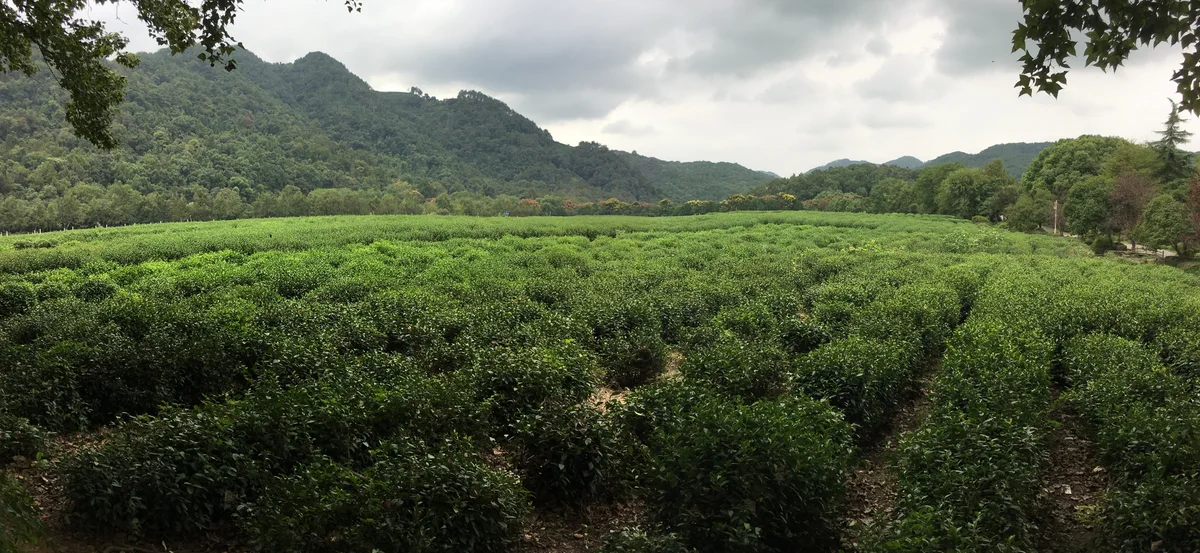
The China National Tea Museum has two campuses. Shuangfeng, at 88 Longjing Road, has displays on Chinese tea culture, West Lake Longjing and historic teaware. Choose it if you want an introduction to the local tea and the objects used around it.
Longjing, at 268 Wengjiashan, sits on a hillside near Longjing village. Its displays cover world tea culture and tea heritage. Choose it if you’d like that wider subject alongside the hillside setting.
The operator’s guide, checked on 15 November 2026, gives 09:00-16:30, with Tuesday closure except on holidays. Confirm the day’s arrangements before you set out, because Tuesday is easy to miss. Save the campus name with its address: “Tea Museum” leaves a driver with a choice between two destinations.
On a short stay, pick one campus. A private tea tasting is a different product from the museum, so ask what it includes and whether it runs on your date.
Reserve Lingyin before the journey across town
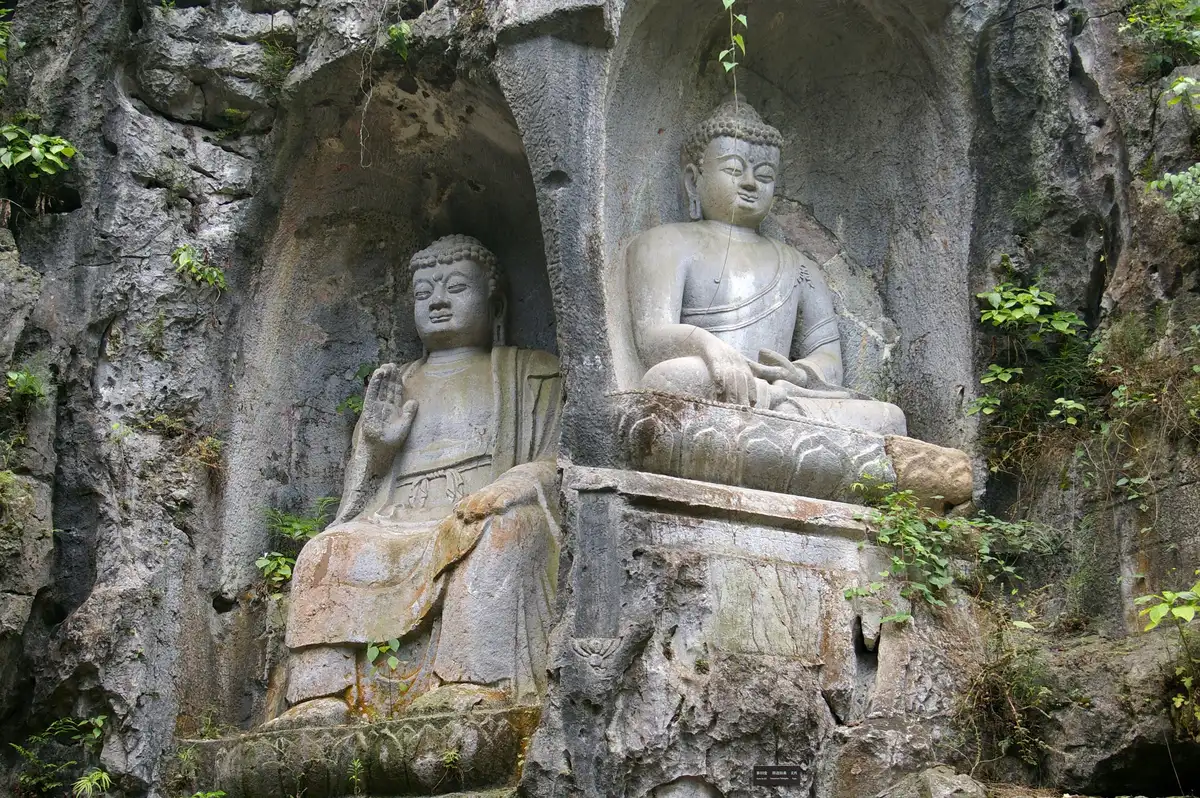
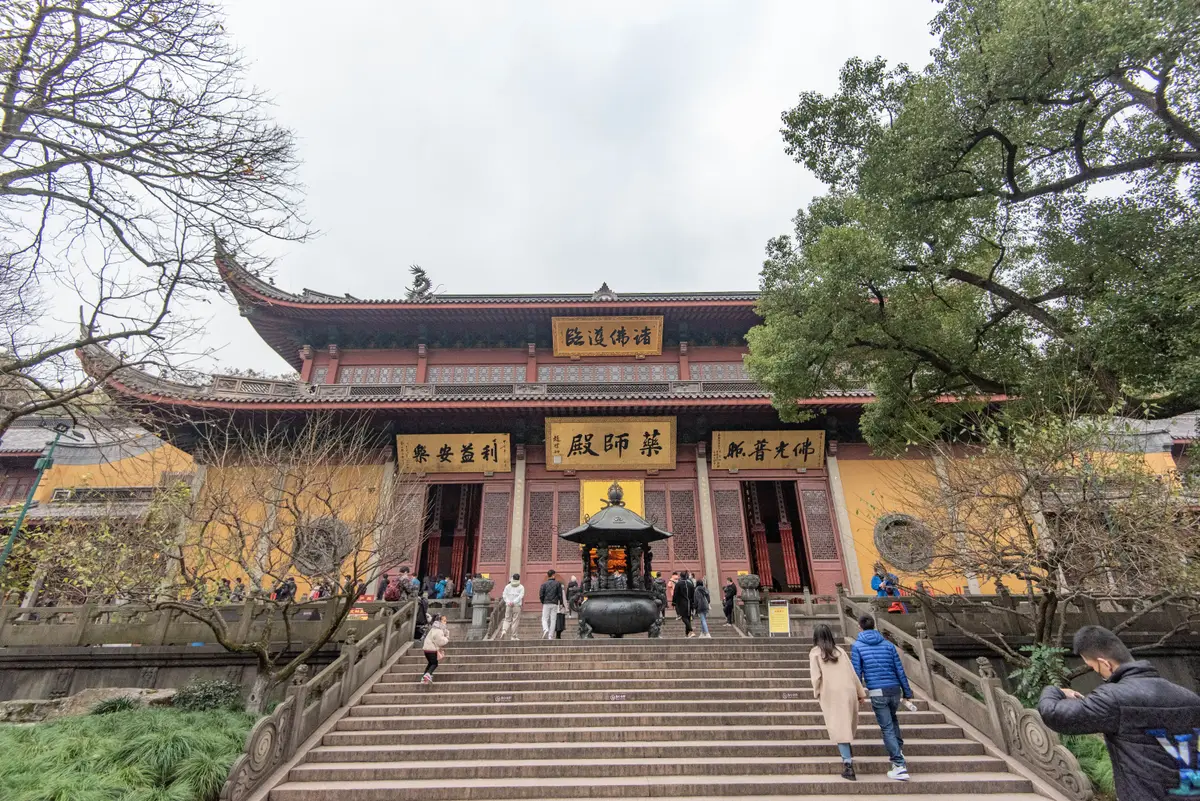
Hangzhou Lingyin Feilaifeng scenic-area admission has been free since 1 December 2025, including Lingyin, Yongfu and Taoguang temples, under the management office’s notice. The price is zero; the reservation is the part to plan.
The official Hangzhou Lingyin Feilaifeng mini programme on WeChat or Alipay takes real-name reservations. Under the rules checked on 15 November 2026, the window opens seven days ahead at 08:00, and visits need booking at least one day ahead. The temple’s instructions accept passports for overseas visitors and require the original valid document used for the booking at entry.
Open the mini programme while you still have time to resolve a name or document question, and take that passport with you. If you need help finding the right mini programme, the China travel apps guide explains how official links and saved addresses fit into a trip.
There are two closing schedules to distinguish. The outer Feilai Peak scenic area lists 07:30-17:30, with admission ending at 17:00. Lingyin Temple inside lists 07:30-18:00, with last entry at 17:30. Use the earlier outer-gate deadline when planning arrival, alongside the session on your reservation. The later temple time is useful once you are inside the complex.
Cancel by 17:00 the day before
Lingyin changed its reservation rules from 1 February 2026. Under the city’s published update, ordinary cancellations close at 17:00 on the day before the visit, an online waiting list replaces the old registration queue at the entrance, and a first no-show suspends booking for 30 days, for both the account and the visitor named on it.
Set a reminder for the previous afternoon. By then, you’ll know whether the journey into Hangzhou and the next day’s plans still work. If they have changed, open the original reservation channel and deal with the booking while the cancellation window remains open.
Make the departure morning a lake morning
A short walk near your base is an easy way to use the final morning. Leave the bag at the hotel by arrangement, choose a familiar stretch of shore and keep the return simple. Save a longer museum or temple outing for a day when its closing time and your train are not competing for the same afternoon.
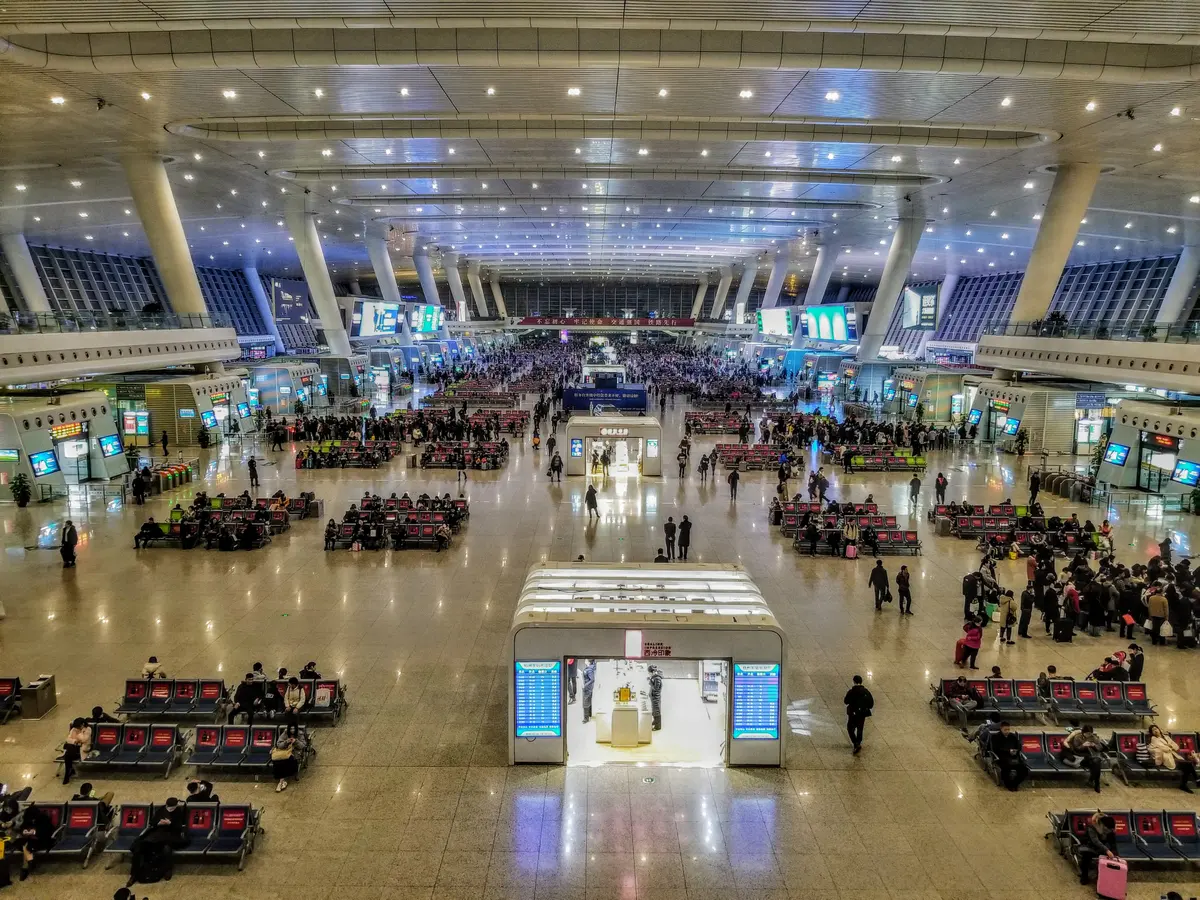
Read the full departure station on the ticket: Hangzhou East, Hangzhou West and Hangzhou station are separate places. Share that name with the hotel or driver when arranging the journey. If you’re continuing towards Huangshan, confirm the onward station and mountain approach separately before committing to the next night’s accommodation.
Read also

Cities · 8 min read
Dali: Where to Stay Between Cangshan and Erhai
Verified · 15 October 2026Choose a Dali base, walk the old town, compare Gantong with Ximatan and fit a mountain or lakeshore day between the Kunming and Lijiang trains.

Cities · 8 min read
Zhangjiajie: City Centre or Wulingyuan as Your Base?
Verified · 15 October 2026Choose a Zhangjiajie base around your park gate, railway station and luggage, with separate plans for Wulingyuan forest visits and Tianmen Mountain.

Cities · 9 min read
Yangshuo: Where to Stay for Town, Yulong and Xingping
Verified · 15 November 2026Choose a Yangshuo base for town walks, Yulong River outings or Xingping, with separate park tickets and plans for the day after a Li River cruise.

Cities · 10 min read
Pingyao: An Overnight Stop Between Beijing and Xi'an
Verified · 15 October 2026A night in Pingyao: merchant courtyards, city walls, ticket rules, the right railway station and two separate temples between Beijing and Xi'an.