
Pingyao: An Overnight Stop Between Beijing and Xi'an
A night in Pingyao: merchant courtyards, city walls, ticket rules, the right railway station and two separate temples between Beijing and Xi'an.
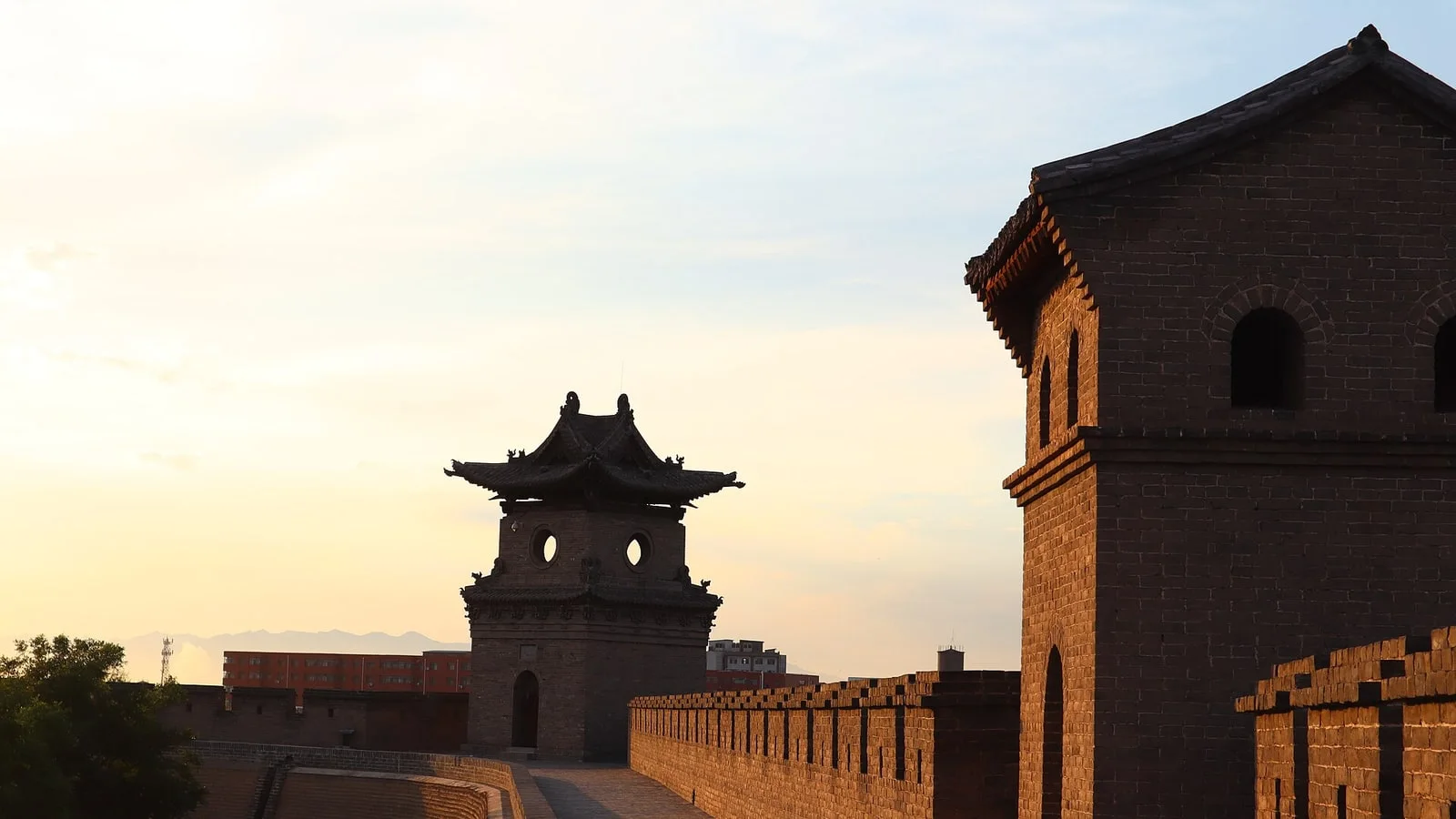
A night in Pingyao gives the Beijing to Xi’an journey a different rhythm: arrive, leave your bag, explore merchant courtyards and stay after the day’s sightseeing. It’s a useful stop if you want a smaller historic centre between those two large cities. Choose it for the lanes and buildings as a whole, with a few museums to explain what you’re seeing.
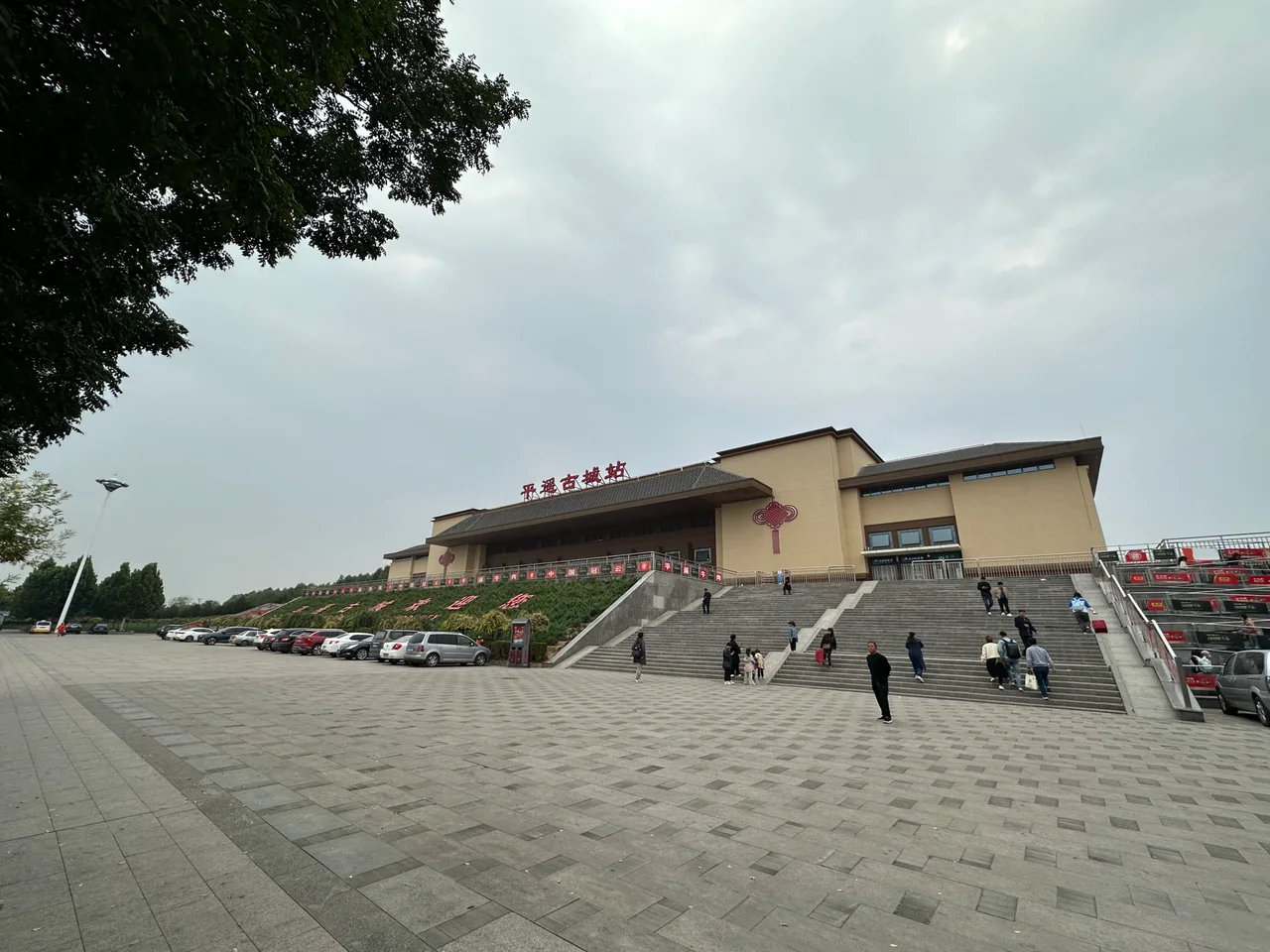
The railway connection needs deliberate booking. Pingyao Gucheng, used by high-speed trains, and Pingyao, the conventional station, are separate places. Check the name on each booking before arranging your arrival. Within the old city, organise visits around a modest group of courtyards rather than trying to enter every ticketed building.
A morning G train from Beijing Fengtai gets you to Pingyao Gucheng before 11:00, and a morning D train goes on to Xi’an North: the trains and fares are in our China itinerary and the Beijing to Xi’an train guide.
One night between two trains
An overnight stop is easier to use than a hurried excursion with luggage. Make the arrival day your introduction to the streets and one or two interiors, then reserve the following morning for anything you deliberately left unfinished. A second night makes more sense if you want both outlying temples as well as the city.
For an arrival with an afternoon available, begin at Rishengchang, walk through the commercial streets and make the county government compound your other interior visit. Use the following morning for an open section of the wall. If your onward train leaves early, move the wall to the arrival day and choose just one of the two museums.
Start with your onward departure when deciding how much time to allow. An early train leaves little room for a museum visit that morning. A later departure can give you another useful stretch in town, but you’ll need a plan for your bag and the transfer back to the correct station. Avoid treating the hotel checkout time as the time you must leave the old city.
For the broader sequence, use the China itinerary for ten days to two weeks, then plan the days after your onward journey with the Xi’an city guide. If you only have room for Beijing or Xi’an in the first place, the Beijing vs Xi’an comparison comes before Pingyao. The stop adds another hotel move and another station transfer; if your trip is already compressed, full days in Beijing and Xi’an may be the more satisfying choice.
From Pingyao Gucheng, the operator’s transport page (updated November 2023, so confirm the bus is still running) names bus 108 to the South Gate, about 25 minutes; from the conventional Pingyao station, bus 1 runs to the North Gate, one stop. Taxis wait outside the walls, and electric buggies inside the old city cost ¥10 a person per ride. Send your hotel the station name, because a courtyard address inside the walls doesn’t say where a car may stop.
The through ticket: three days, one visit each
The operator’s conditions checked on 15 October 2026 give the city through ticket three days of validity from the selected visit date, with each included attraction visited once. That is a calendar-based visit window, so choose the starting date carefully. It doesn’t mean that leaving a museum lets you return to that same interior whenever you like.
Use the ticket as a reason to make a short selection. Pick a banking museum, the county government compound and a section of wall that is open during your visit. Then add another courtyard if you still feel curious. A long checklist can turn the differences between buildings into a blur of similar doorways.
The operator’s published notice gives 08:00-18:00 from 17 February 2026, with ticket checks ending 15 minutes before closing, or 17:45 by calculation. Those are the hours found at the October check, rather than a confirmed timetable for winter 2026/27. Recheck the hours and included attractions for your travel date before arranging a late visit.
The operator’s ticket page, read on 8 November 2026, gives the rules but no price for the through ticket, so look at the price on the booking channel for your date. Shuanglin and Zhenguo have separate tickets under the published conditions; the city’s through ticket doesn’t cover them.
Tickets are real-name, one per person, and you go in by scanning the ticket’s QR code; the page’s other option at the gate is a Chinese ID card. The operator’s page says there’s nothing to collect. For the wider choice of cash, cards and apps, see how to pay in China.
Banks, the county compound and the street between
Rishengchang is a useful starting point for understanding the banking history. The operator dates its foundation to 1823 and places the museum at the original premises on the south side of West Street. Think about how a business moved money and information across long distances, then look at how its rooms and courtyards organised that work.
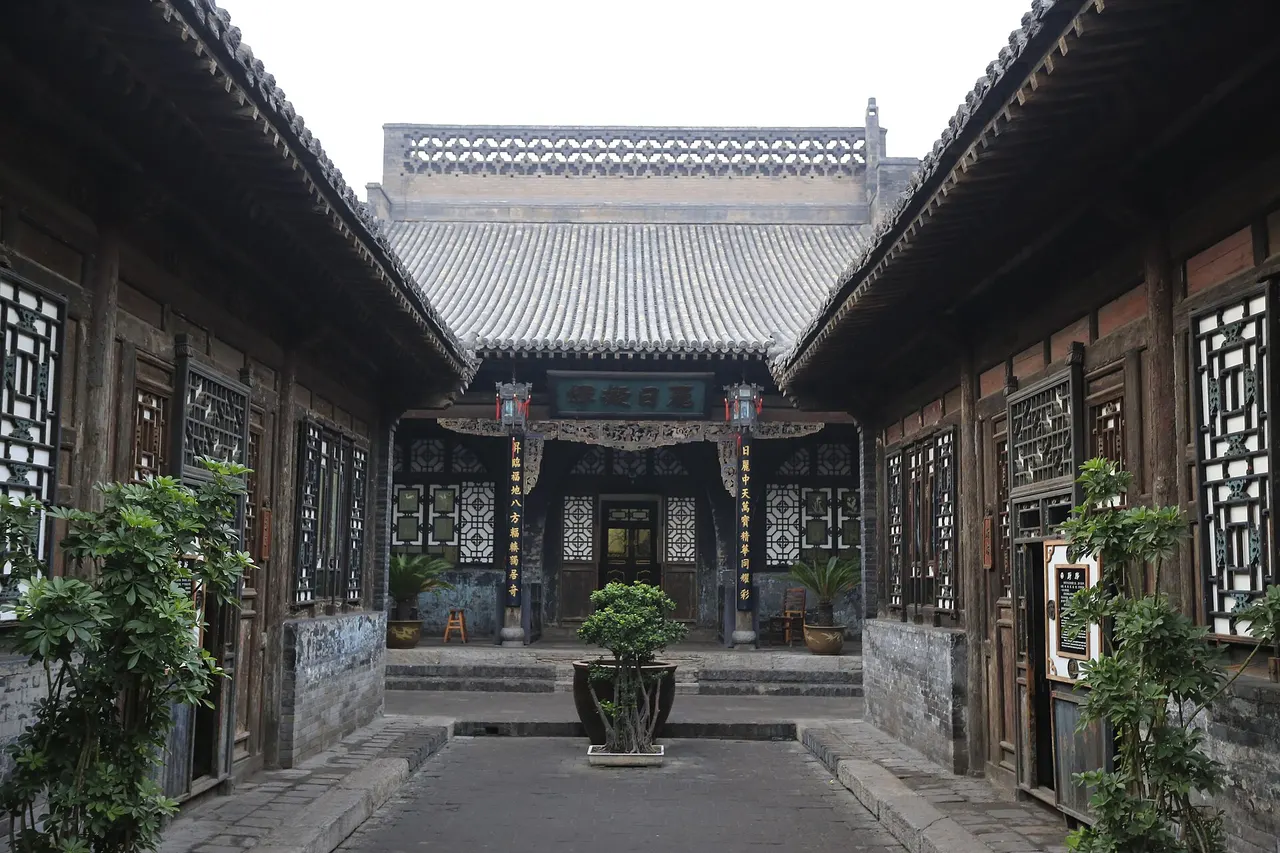
Xietongqing offers another banking compound. Visiting it after Rishengchang can be worthwhile if the differences in layout interest you; otherwise, leave room for a different kind of building. You don’t need several banking museums to understand why merchants and financial services shaped the town.
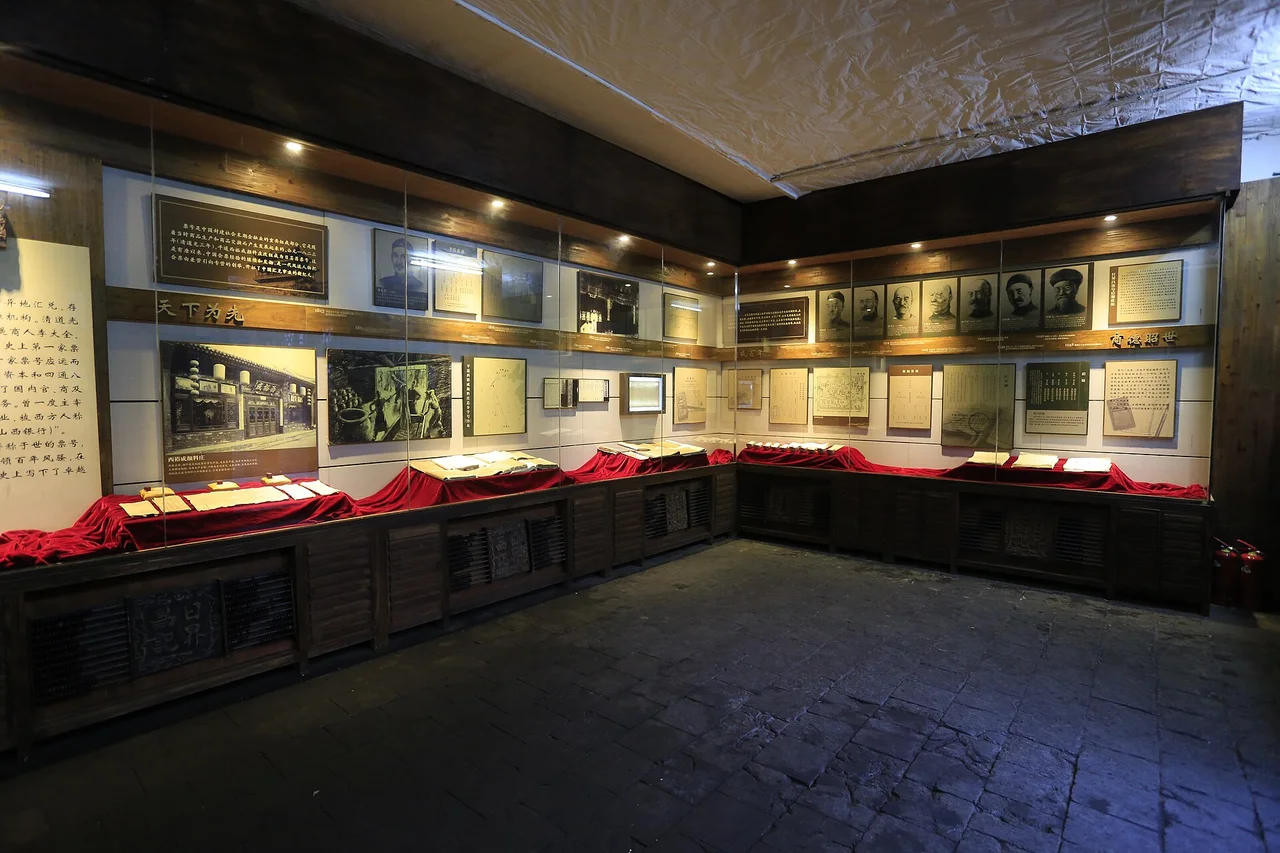
The county government compound changes the subject from commerce to administration. Its published description includes official halls, a prison, living quarters and a garden. Follow the functions through the spaces that are open, rather than assuming that every doorway is part of the visitor route. Ask which interiors are open when choosing your visit route.
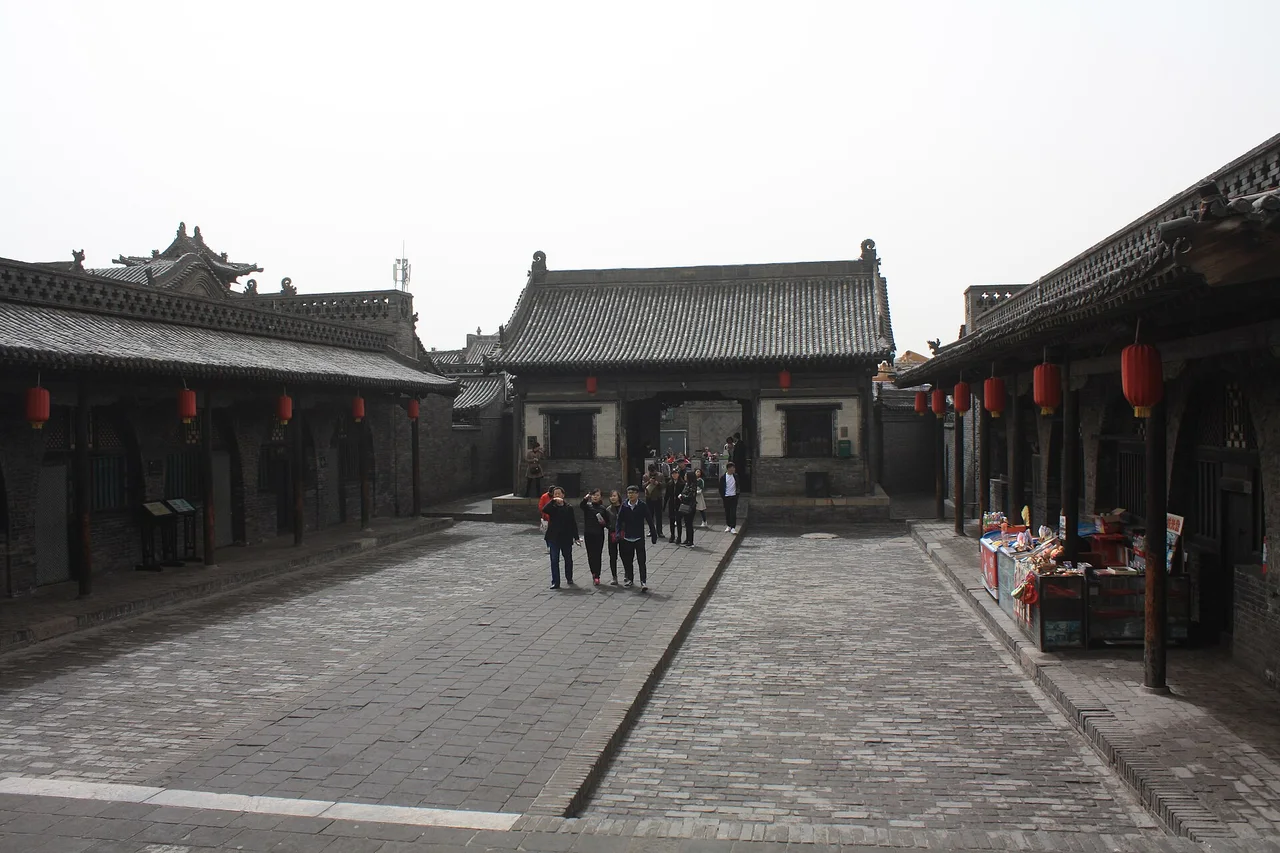
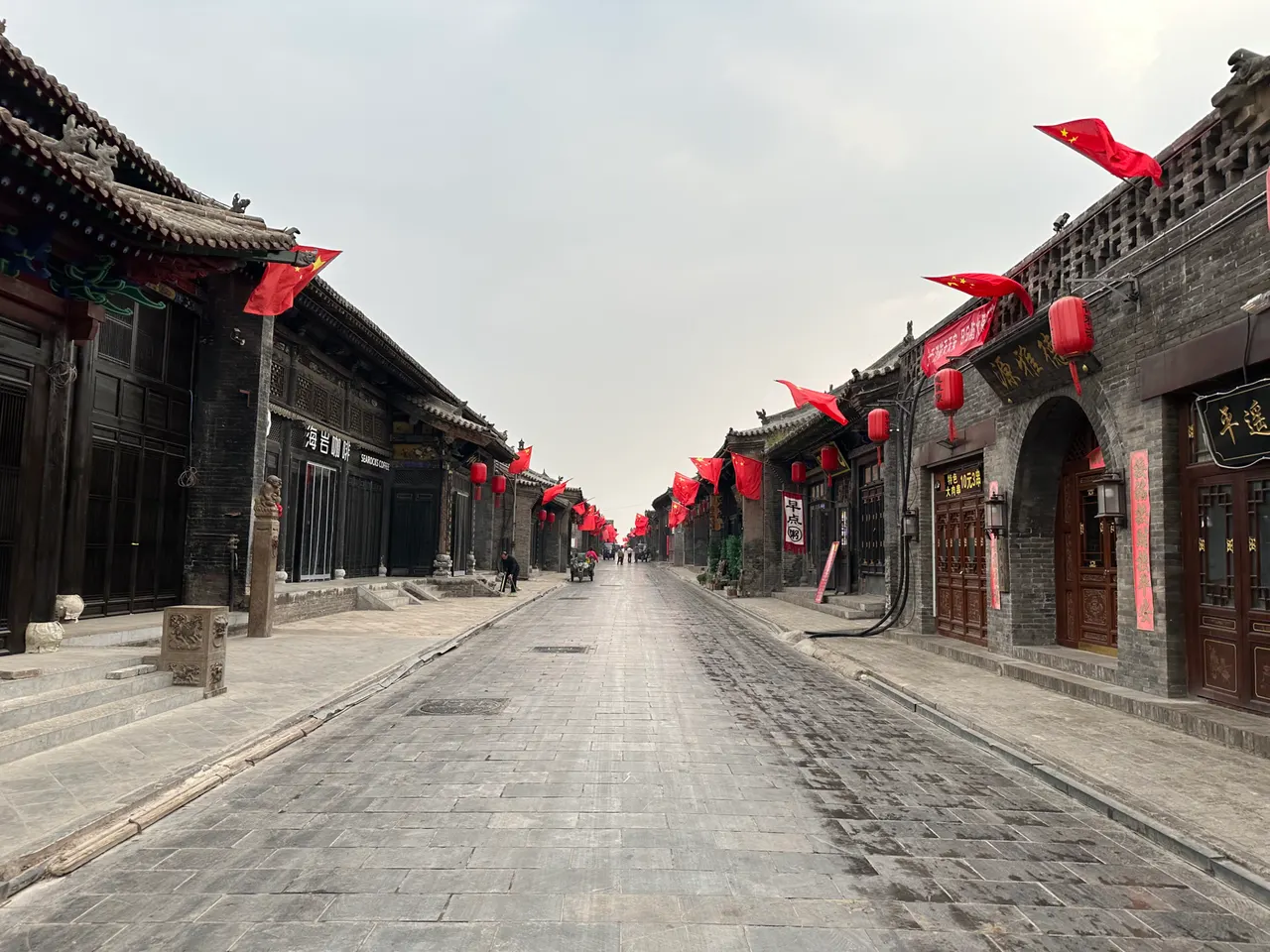
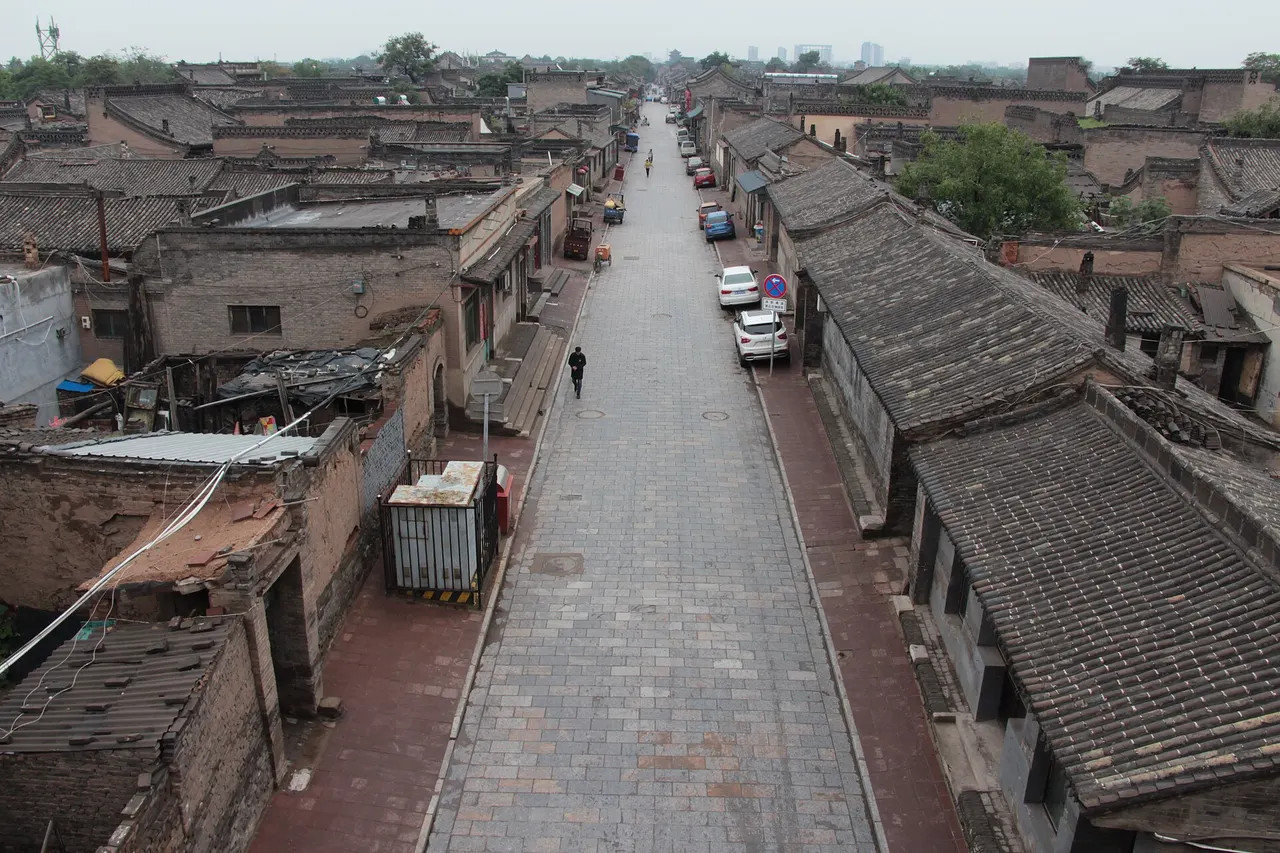
Between museums, look at the street itself: shopfronts, courtyard gates and the way houses sit beside public buildings. UNESCO describes the town as an ensemble of streets, homes, shops, temples and walls, so the walk between two tickets is part of what you came to see.
The 6.2 km wall
The operator gives the city wall’s existing perimeter as 6.2 kilometres and describes expansion and rebuilding in 1370. The perimeter explains the scale of the old city. It shouldn’t be read as a guarantee that a complete, continuous wall walk will be available on your date.
Choose a section that is open and look back over the roofscape; the street grid reads differently from above. Ask at the gate where the ascent and descent points are, because the usable route depends on which gates are operating.
Go up in daylight. The wall is more exposed than the courtyards, and the lanes are far easier to rearrange around it than the other way round. Lit gates after dark are for looking at from the street; don’t assume the wall itself is open in the evening.
The ancient city entered the UNESCO World Heritage List in 1997. The listing’s historic value and the operator’s current access rules answer different questions: use the former to understand the place, and the latter to decide where you can go during your visit.
Shuanglin and Zhenguo need time outside the walls
The UNESCO property has three parts: the walled city, Shuanglin Temple and Zhenguo Temple. UNESCO places Shuanglin about 6 km south-west of the county town and Zhenguo about 12 km north-east, so they lie in opposite directions and seeing both means two separate rides out of town. On a single overnight stop, pick one, or neither, and keep the time for the courtyards.
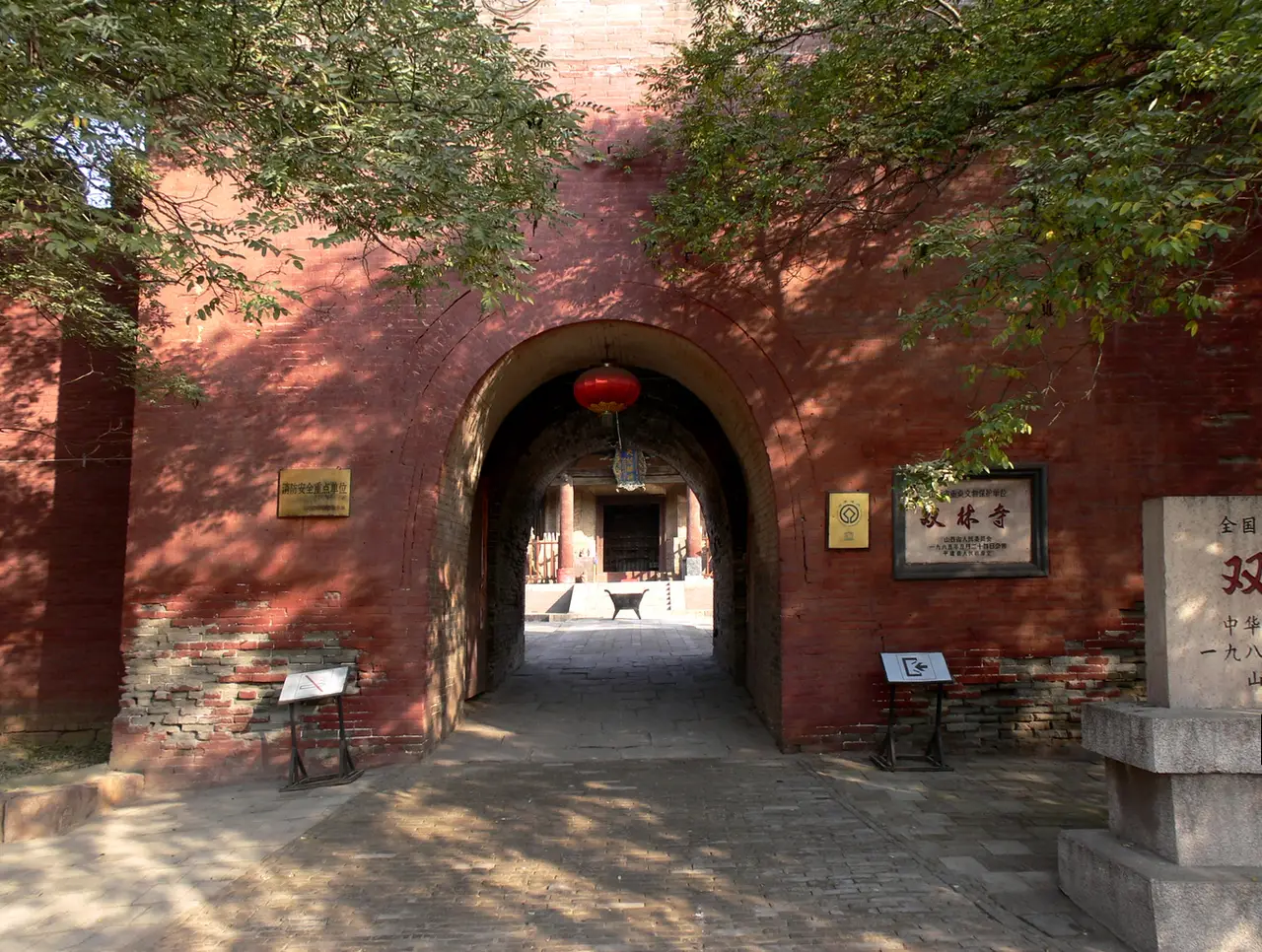
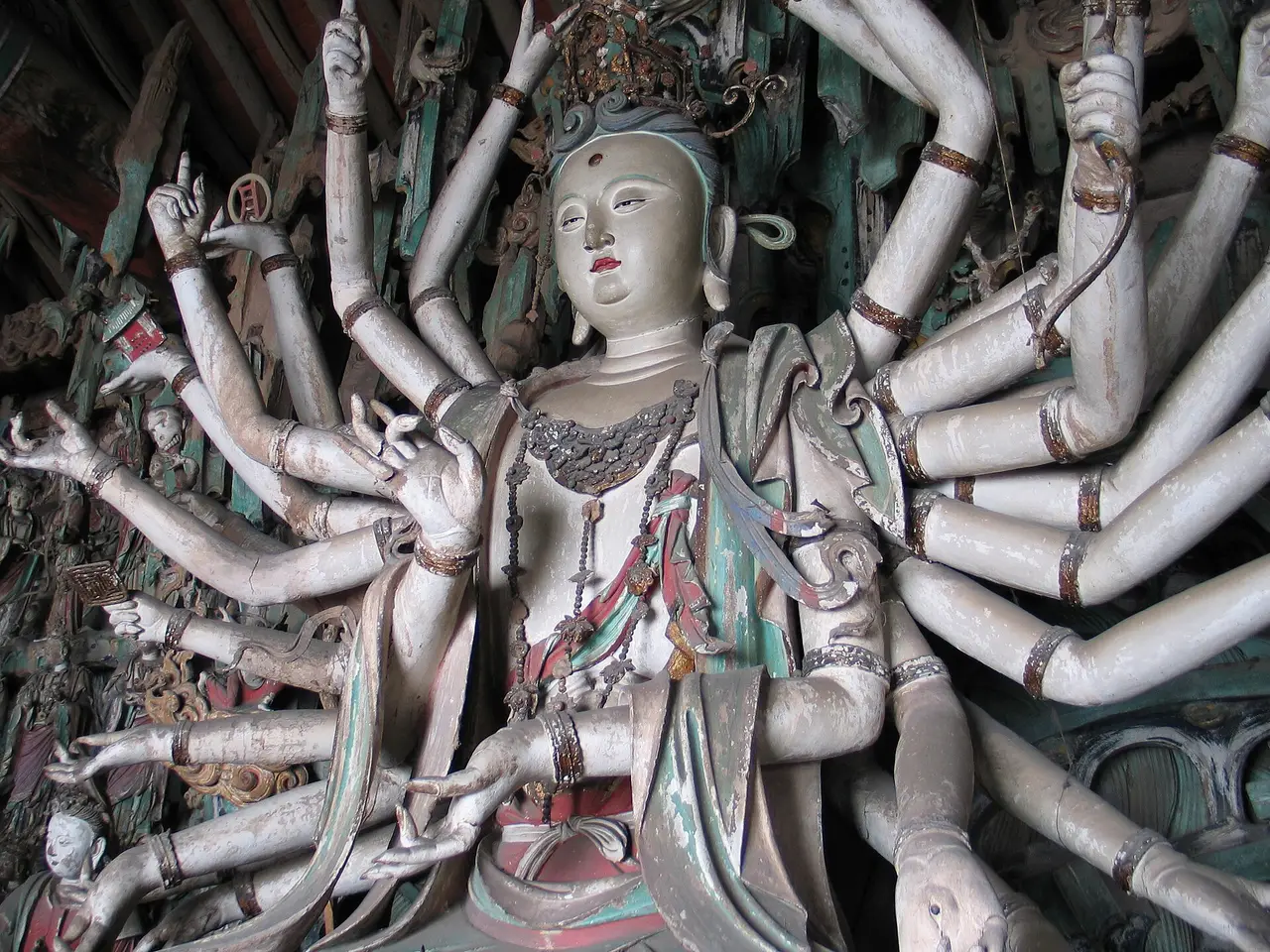
Shuanglin’s particular appeal is painted sculpture. UNESCO records more than 2,000 surviving figures from the Ming and Qing periods. That gives you a reason to visit beyond collecting another temple name. Check which halls are accessible and allow time to look closely at the figures you can see.
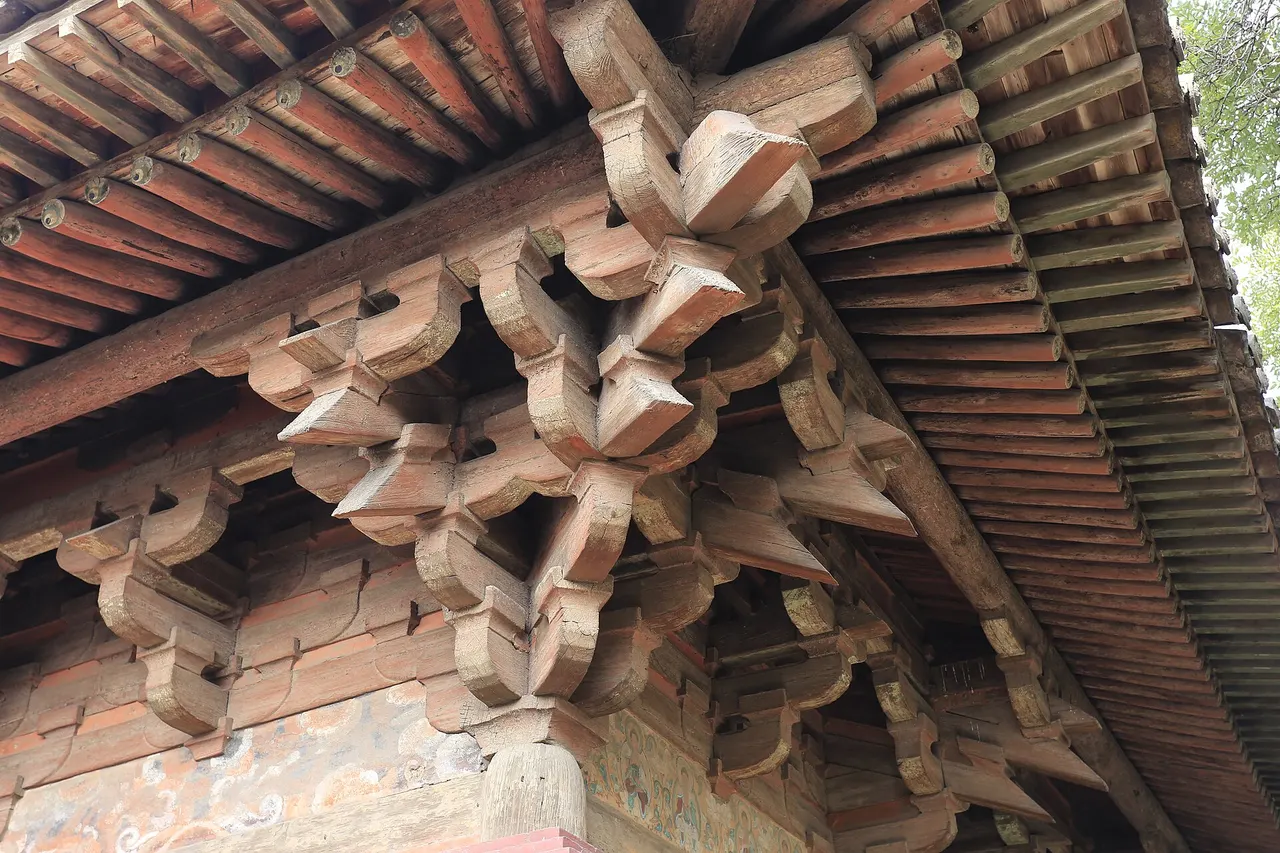
Zhenguo offers a different focus: its Wanfo Shrine belongs to the Five Dynasties period, substantially earlier than the Ming rebuilding of the city wall. It’s an option for an interest in timber architecture. Arrange transport and the return journey before setting out, especially when an onward train limits your afternoon.
Both temples sell their own tickets for a set date, and you’ll want the opening hours for yours before hiring a car out.
What to eat
The operator’s own pages point to three local dishes. Pingyao beef comes first: a Shanxi folk song lists it ahead of every other local product, and the operator credits a Daoguang-era butcher, Lei Jinning, with refining the curing and cooking. Tofu pudding (doufu nao) is an afternoon snack, ladled from a copper pot and topped with a savoury sauce of glass noodles and soybeans, chive flowers and chilli oil. In summer, locals eat hutazi, courgette pancakes fried on a griddle. A bowl of beef and a bowl of tofu pudding make a cheap, quick lunch between two museums.
A bed inside the walls or an easier arrival
An old-city courtyard stay keeps the evening and following morning close at hand. Before choosing one, ask practical questions about the room: heating for a winter trip, the bathroom arrangement, stairs and luggage access. Building style alone won’t tell you whether the room suits your group.
Accommodation outside the walls may suit a late arrival or an early departure. Compare the actual location with your station and the entrance you’ll use for sightseeing. You’ll still need to allow for the journey between the hotel and the old city, so a simpler arrival can create extra travel the next day.
On the last morning, go back to whatever you skipped: the banking museum you postponed, a stretch of wall, the street you liked best. The through ticket runs for three days from the date you chose, so a museum you didn’t reach on the first afternoon is still covered the next morning. If you’re continuing west, the Xi’an city guide picks up from the station.
Read also

Cities · 14 min read
Chengdu Guide 2026: Pandas, Teahouses and How Long to Stay
Verified · 6 October 2026Chengdu for a first trip: the panda base at opening time, Wuhou Shrine on a passport, tea in People's Park, trains from Xi'an and a museum shut until 2027.

Cities · 11 min read
Chongqing in Two Days, Plus a Yangtze Cruise (2026)
Verified · 6 October 2026Hongyadong lit up from the river, a monorail through a block of flats, the Yangtze cableway, hotpot, and which way to take a Three Gorges cruise.

Cities · 10 min read
Guilin and Yangshuo: the Li River Cruise and 3-4 Days (2026)
Verified · 6 October 2026Why the Li River cruise means a night in Yangshuo, booking it by passport, when the river closes, the 20-yuan view and trains from Hong Kong.

Cities · 12 min read
Harbin Travel Guide 2026: Russian Architecture and Winter
Verified · 6 October 2026Two days for Harbin: Central Street and St Sophia, Daowai, booking the Unit 731 site, where to sleep, the metro, and January nights at -22.9°C.