
China Public Holidays 2027: Dates, Make-Up Days and Crowds
The State Council has set 2027: seven holiday blocks, five weekend working days, and the date 12306 opens sales for each break.
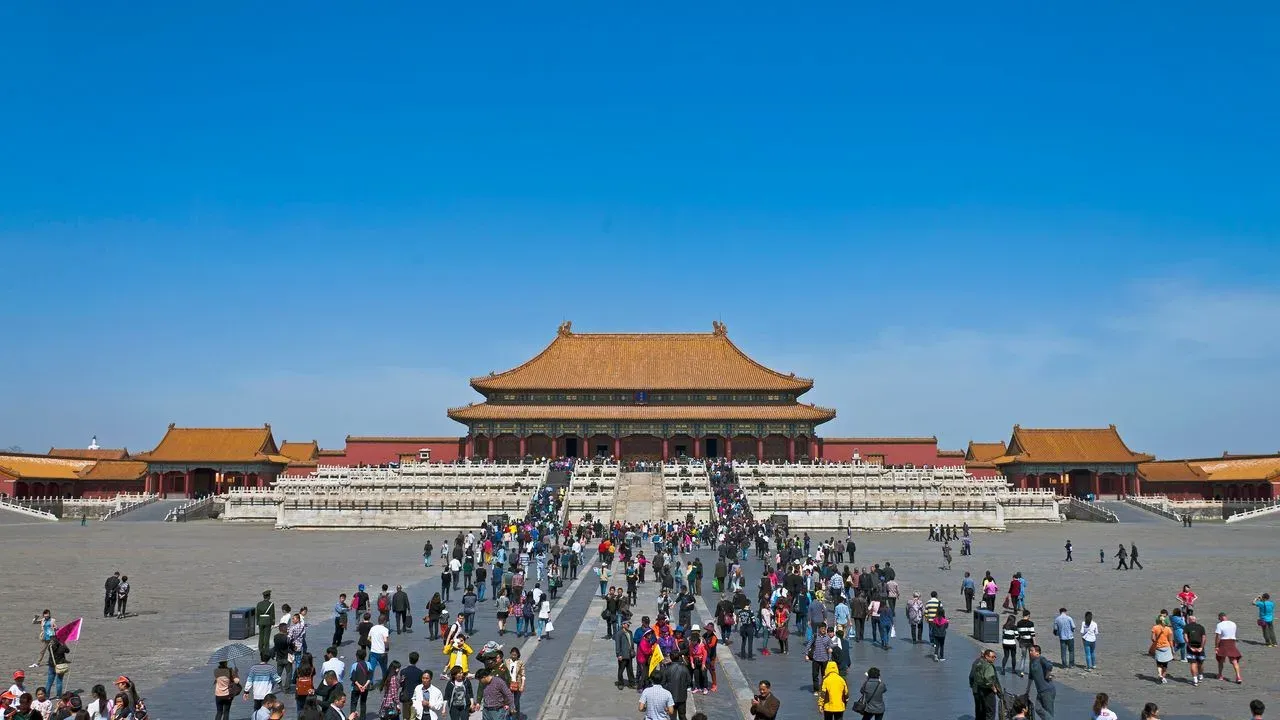
China has seven holiday blocks in 2027, three of them long: Spring Festival from 5 to 13 February, Labour Day from 1 to 5 May and National Day from 1 to 7 October. The State Council General Office published the schedule on 5 November 2026, and it also names five Saturdays and Sundays that become working days to pay for the long breaks. For a visitor, the date that matters most isn’t in the notice at all: it’s 14 days before each break, when the railway opens sales for its first day, 22 January 2027 for the Spring Festival.
The 2027 calendar in one table
| Holiday | Days off in 2027 | Days | Worked instead |
|---|---|---|---|
| New Year | Fri 1 - Sun 3 January | 3 | none |
| Spring Festival | Fri 5 - Sat 13 February | 9 | Sun 31 January, Sun 14 February |
| Qingming | Sat 3 - Mon 5 April | 3 | none |
| Labour Day | Sat 1 - Wed 5 May | 5 | Sat 8 May |
| Dragon Boat | Wed 9 June | 1 | none |
| Mid-Autumn | Wed 15 September | 1 | none |
| National Day | Fri 1 - Thu 7 October | 7 | Sun 26 September, Sat 9 October |
That adds up to 29 days off. The dates are the notice’s own text, read on 21 November 2026 in the Xinhua reprint, and they apply to the mainland: Hong Kong keeps a separate list of general holidays, so a Hong Kong stopover on the way in doesn’t follow this table.
The notice also encourages employers and employees to combine the breaks with paid annual leave and travel off-peak. That’s the government itself saying the rush is a problem, and it’s a reasonable hint for your own dates.
How the make-up days work
A make-up working day is a weekend day on which offices and schools run as if it were Monday, so that the weekday holiday can be joined to a weekend. In 2027 there are five of them, and each one shapes the week it sits in.
- Sunday 31 January is worked, so locals work ten of the eleven days before the break, with only Saturday 30 January off. The break starts on Friday 5 February, New Year’s Eve, but the railway’s rush starts well before it: in 2026 it began two weeks before the eve, and the same gap in 2027 would put it at about 22 January, the day 12306 opens sales for the eve. That’s arithmetic from the notice and from 2026, not an announcement.
- Sunday 14 February is worked, the day after the break ends. Most people have to be back by Saturday 13th, so the return crowd lands on the last days of the break, not on the Sunday.
- Saturday 8 May is worked, three days after Labour Day ends on Wednesday 5 May.
- Sunday 26 September and Saturday 9 October bracket National Day: the Sunday before the break and the Saturday after it are both working days for locals.
So a make-up day is a working day for locals, not a holiday, and it’s worth keeping in mind when you read a price or a rule that says “holiday”. Whether a venue treats it as a holiday or an ordinary day is the venue’s decision, so check the sight’s own notice instead of assuming.
What each break does to a visitor
Spring Festival gets nine days, and its dates move with the lunar calendar. New Year’s Day falls on Saturday 6 February 2027, according to the Hong Kong Observatory, and the nine days off run from the Friday before it. Our Chinese New Year guide covers what closed in 2025 and 2026, how the Palace Museum and the Terracotta Warriors behaved, and why the festival changes the rail rush.
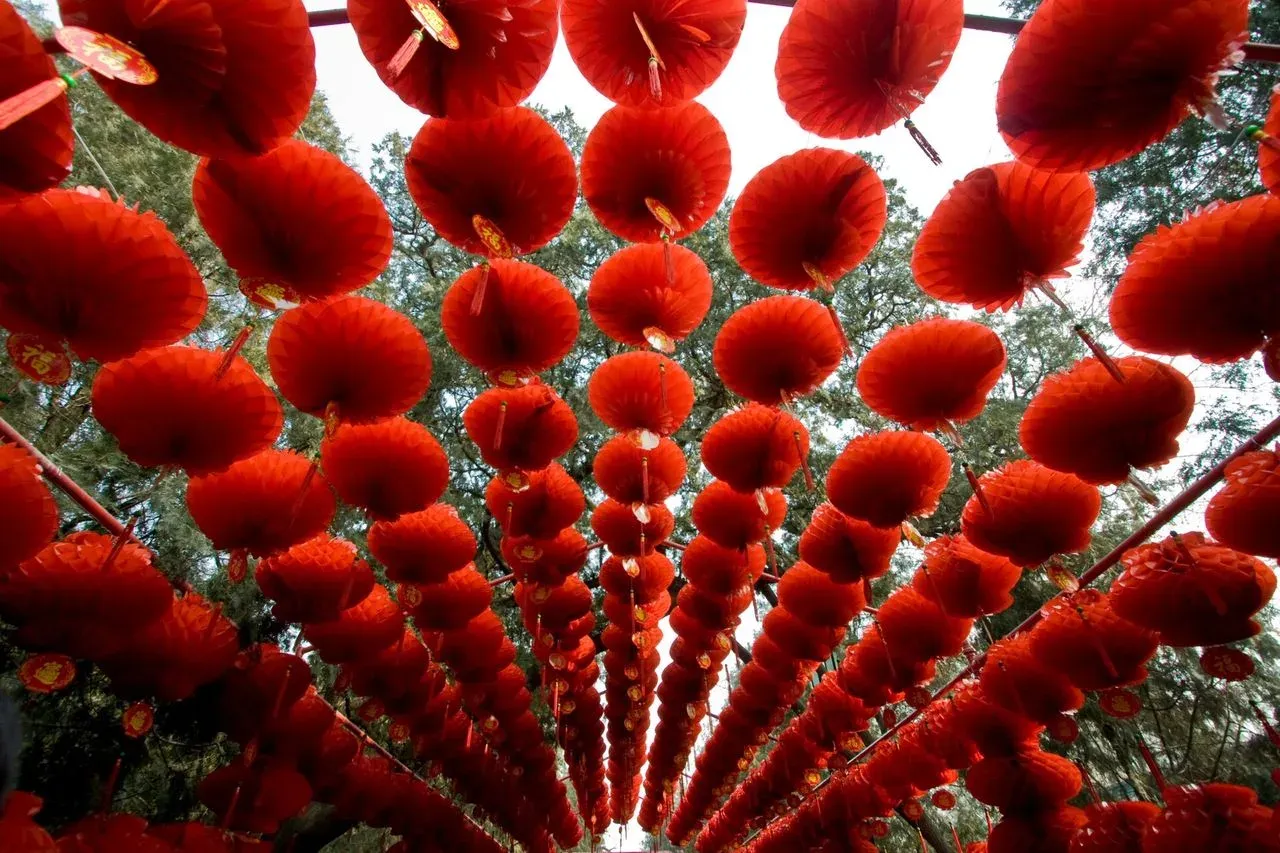
National Day set the railway’s single-day record in 2026. On 1 October 2026 it carried 25.204 million passengers in a day. The Golden Week guide has the booking countdown for 2027’s seven days.
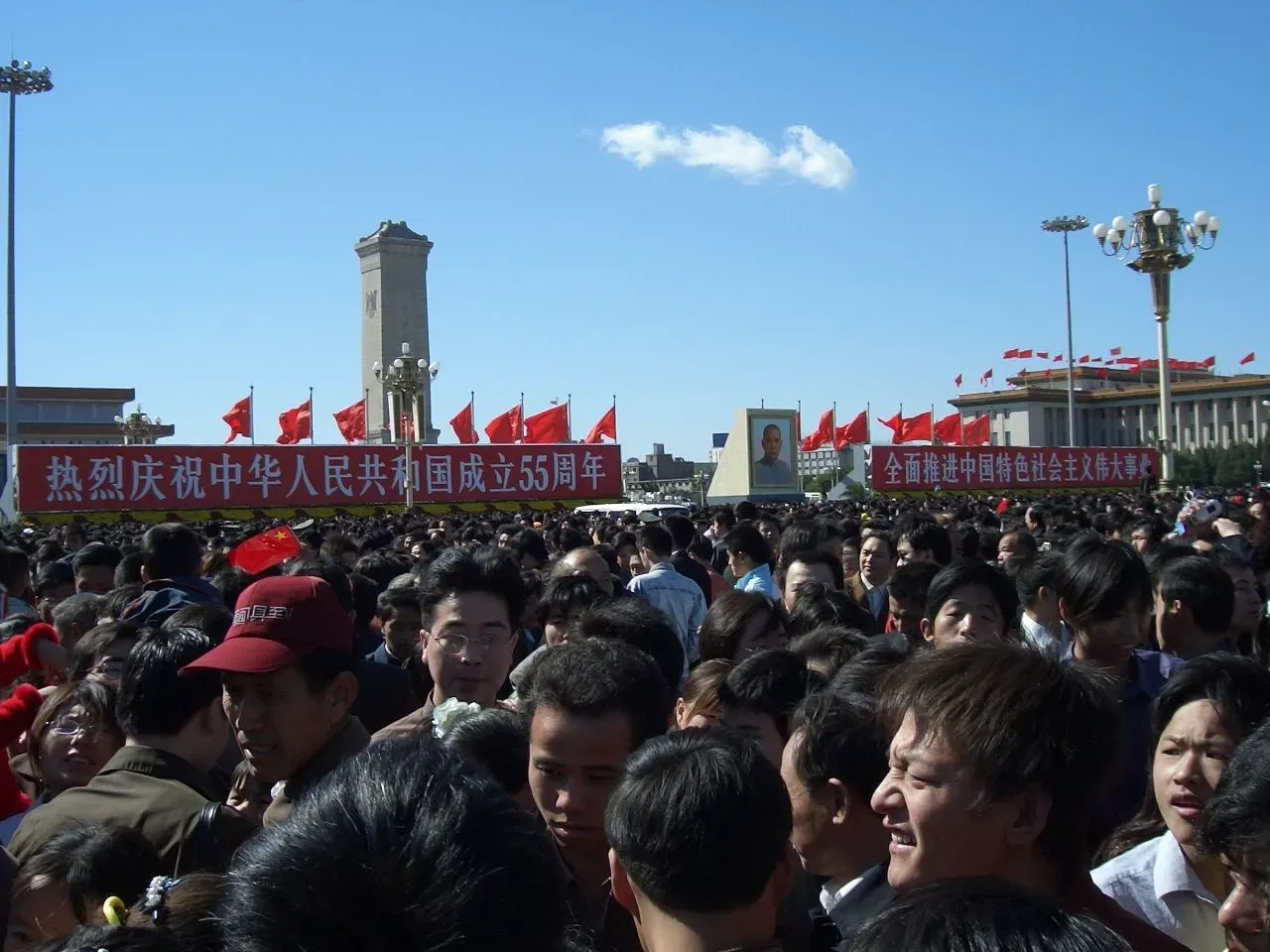
Labour Day is a rail peak too. On 1 May 2026 the railway carried 24.844 million passengers in a day, a record at the time, and 159 million over the period from 29 April to 6 May. If you’re planning the north in spring, the spring guide puts the 1-5 May break next to the weather.
Qingming is a three-day weekend. It runs from Saturday 3 to Monday 5 April, with no make-up day. It’s a family festival, and the railway feels it: on 4 April 2026 it carried 22.123 million passengers, a record for a Qingming break day, so book on the opening date.
Dragon Boat and Mid-Autumn are single Wednesdays. Neither has a make-up day, and neither is joined to a weekend, so they give a visitor the least to plan around: one day, midweek. A trip in mid-September can take in 15 September and still finish well before the October break; the 10-day route is one shape for it.
New Year’s Day is a plain weekend, Friday 1 to Sunday 3 January 2027, with no make-up days. Tickets for 1 January open on 18 December 2026, which makes it the first break of the year you can book.
The 12306 opening date for each break
Rail tickets go on sale 15 days ahead, counting the day of travel, at the release hour of your departure station. That’s the rule in the railway’s presale notice, and it gives a calendar entry for the first day of each break. Here it is for the departure on the first day off:
| Break starts | Tickets open |
|---|---|
| Fri 1 January 2027 | 18 December 2026 |
| Fri 5 February | 22 January |
| Sat 3 April | 20 March |
| Sat 1 May | 17 April |
| Wed 9 June | 26 May |
| Wed 15 September | 1 September |
| Fri 1 October | 17 September |
For the journey home, count 15 days from the day you travel, not from the start of the break: a return on Saturday 13 February opens on 30 January. Our 12306 vs Trip.com guide explains the account, the waitlist and the release hours. The Palace Museum is on a shorter clock, which the Forbidden City guide covers.
On the days that matter most, a refundable hotel and a flexible first night are worth more than a cheaper rate. Keep one fallback in mind for every long leg: another time, another station, or a flight, as set out in train vs flight in China.
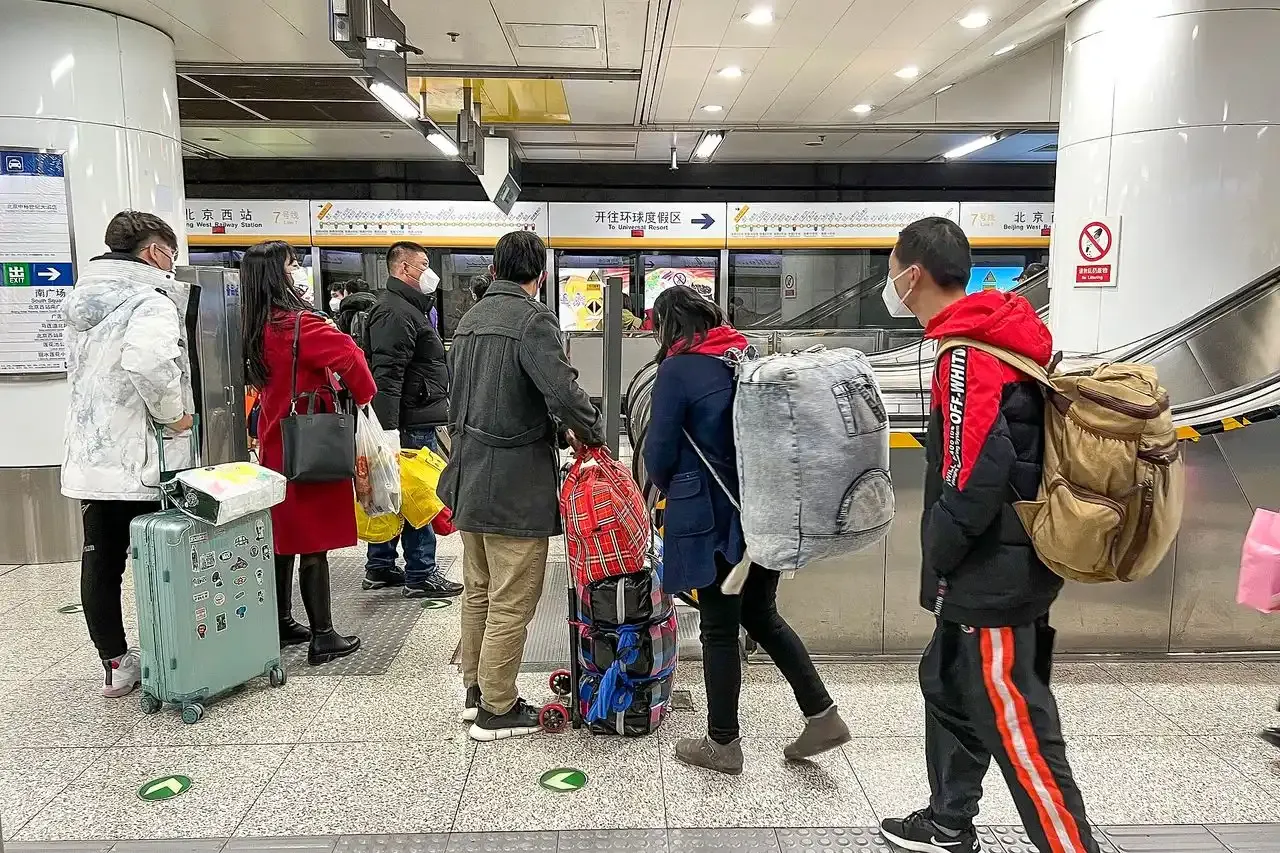
The clear stretches between breaks
Read the table as a list of gaps and the open windows are easy to see. On the notice’s list alone, no day off falls between 6 May and 8 June, or between 16 September and 30 September, so a two-week trip can sit inside either one without meeting a public holiday. The two longest gaps need a second look. From 14 February to 2 April there’s no day off, but in 2026 the railway’s Spring Festival rush ran on to 13 March; from 10 June to 14 September there’s none at all, but that’s the school summer, which this notice doesn’t cover and our summer guide does. Those windows are about holidays only. They say nothing about weather, so set them beside the seasonal guides before you commit.
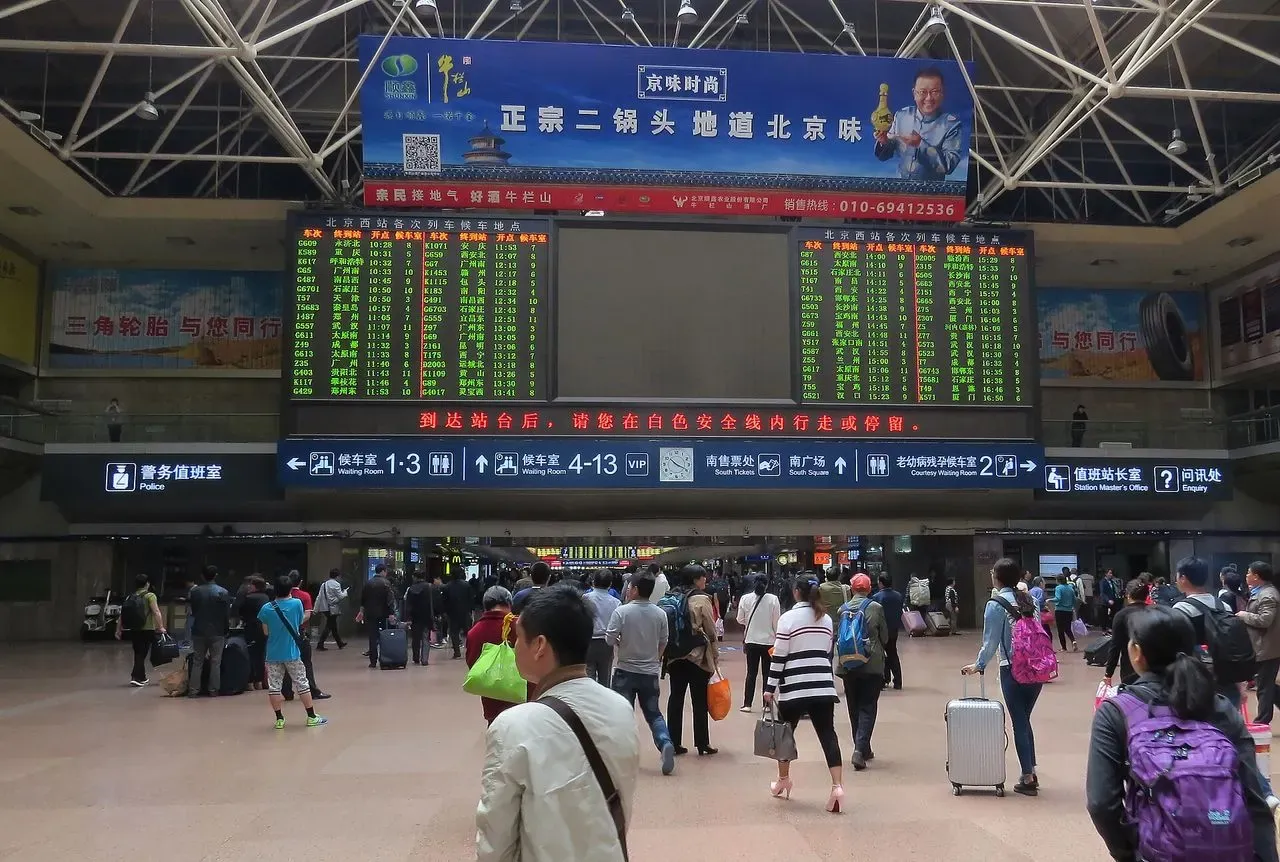
What the notice does not tell you
The State Council notice sets days off and working days, and it stops there. It doesn’t say when museums close, when a temple fair runs, or how many visitors a site will admit. Those come from each venue, usually a week or two before, and some arrive late: the Palace Museum announced its Spring Festival hours only six to ten days ahead in the last two years.
It doesn’t cover school holidays either, and it names no figures for crowds. For anything you can’t change, keep the booking refundable until the venue publishes its own hours, and write the 12306 date from the table above into your calendar beside each leg it unlocks.
Read also

Things to do · 7 min read
Tang Dynasty Show Xi'an: Ticket Price and Banquets
Verified · 15 October 2026Tang Yue Gong's Da Tang Nu Huang show in Xi'an: the ¥268 ticket, the ¥400 and ¥580 banquets, and what the operator's pages leave unsaid.

Things to do · 10 min read
Harbin Ice Festival 2026-27: Dates, Tickets, Getting There
Verified · 17 October 2026The 28th Ice and Snow World had no date on 17 October 2026. In 2025-26 it ran 17 Dec to 21 Feb, ¥328 a ticket. How to buy from abroad and get there.

Before you go · 7 min read
China in Spring: March, April or May?
Verified · 16 October 2026Choose a spring month and route using comparable climate normals for Beijing, Shanghai, Kunming and Guilin, with practical plans for rain and wind.

Before you go · 7 min read
China in Summer: Heat, Rain and School Holidays
Verified · 15 October 2026Compare summer weather in Beijing, Shanghai and Kunming, check local 2027 school breaks and plan days with room for heat and changing weather.