
Beijing to Harbin by Train 2026: 4.5 Hours, Fares, Stations
The fastest G trains take 4h33 from Beijing Chaoyang to Harbin West, ¥605 in second class midweek; sleepers run ¥261.5 and up. Stations and fares.
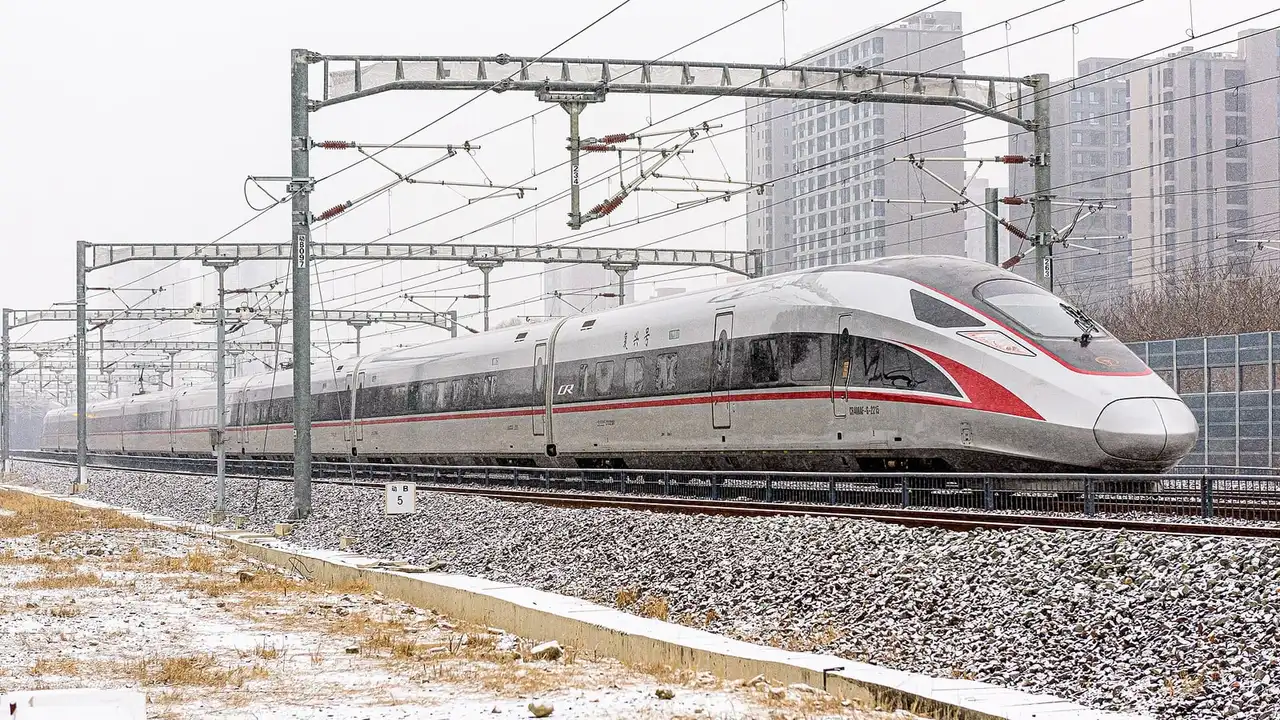
The fastest trains from Beijing to Harbin take 4 hours 33 minutes and cost ¥605 in second class (about $90 or £68) on the Mondays to Thursdays we checked and ¥633 on Fridays to Sundays, according to 12306’s own timetable and price lookup, read on 13 October 2026. They leave from Beijing Chaoyang, not Beijing West or the main Beijing station, and arrive at Harbin West. The overnight Z and T trains take 10 to 14 hours: a hard sleeper is ¥261.5 (about $39 or £30) and a soft sleeper ¥409.5 (about $61 or £46), and most pull into Harbin’s main station in the early morning.
The timetable below is the railway’s for Tuesday 20 October 2026, read on 13 October 2026. China’s rail timetable is revised from time to time and fares can float, so confirm the train on the day on 12306.
The short answer
| Train | Leaves | Arrives | Time | Fare, 20 October 2026 |
|---|---|---|---|---|
| G101, G105, G115 | Beijing Chaoyang 08:00, 08:55, 11:05 | Harbin West 12:33, 13:28, 15:38 | 4h33 | Second class ¥605-620, first ¥969-992 |
| G117 | Beijing Chaoyang 14:00 | Harbin 18:49 | 4h49 | Second class ¥636, first ¥1,019 |
| G3503 | Beijing Chaoyang 08:25 | Harbin West 14:13 | 5h48 | Second class ¥546, first ¥873 |
| Z15, Z17, Z203 | Beijing 21:18, 21:26, 20:37 | Harbin 07:40, 07:48, 07:02 | 10h22-10h25 | Soft sleeper ¥409.5; Z17 also hard sleeper ¥261.5 |
| T17 | Beijing 16:45 | Harbin 05:26 | 12h41 | Hard seat ¥152.5, hard sleeper ¥261.5, soft sleeper ¥409.5 |
| K341 | Beijing 23:00 | Harbin West 15:03 | 16h03 | Hard seat ¥173.5, hard sleeper ¥296.5, soft sleeper ¥464.5 |
On that date 12306 listed 32 train numbers from a Beijing station to a Harbin station: 15 G (high-speed), 6 Z, 4 T and 7 K. The dollar and pound figures use the European Central Bank’s rate of 9 October 2026.
The G trains: Chaoyang is the station
Every one of the 15 G trains calls at Beijing Chaoyang, and most of them start there, so that’s the station to search for. 12306 also lists “Beijing”, “Beijing West” and “Beijing Fengtai”, and picking the wrong one is the commonest way to end up across the city from your train. Beijing Chaoyang is on subway Line 3, which opened on 15 December 2024; Beijing’s government lists the interchanges as Dongsi Shitiao (Line 2), Workers’ Stadium (Line 17), Tuanjiehu (Line 10), Chaoyang Park (Line 14) and Dongbabei (Line 12).
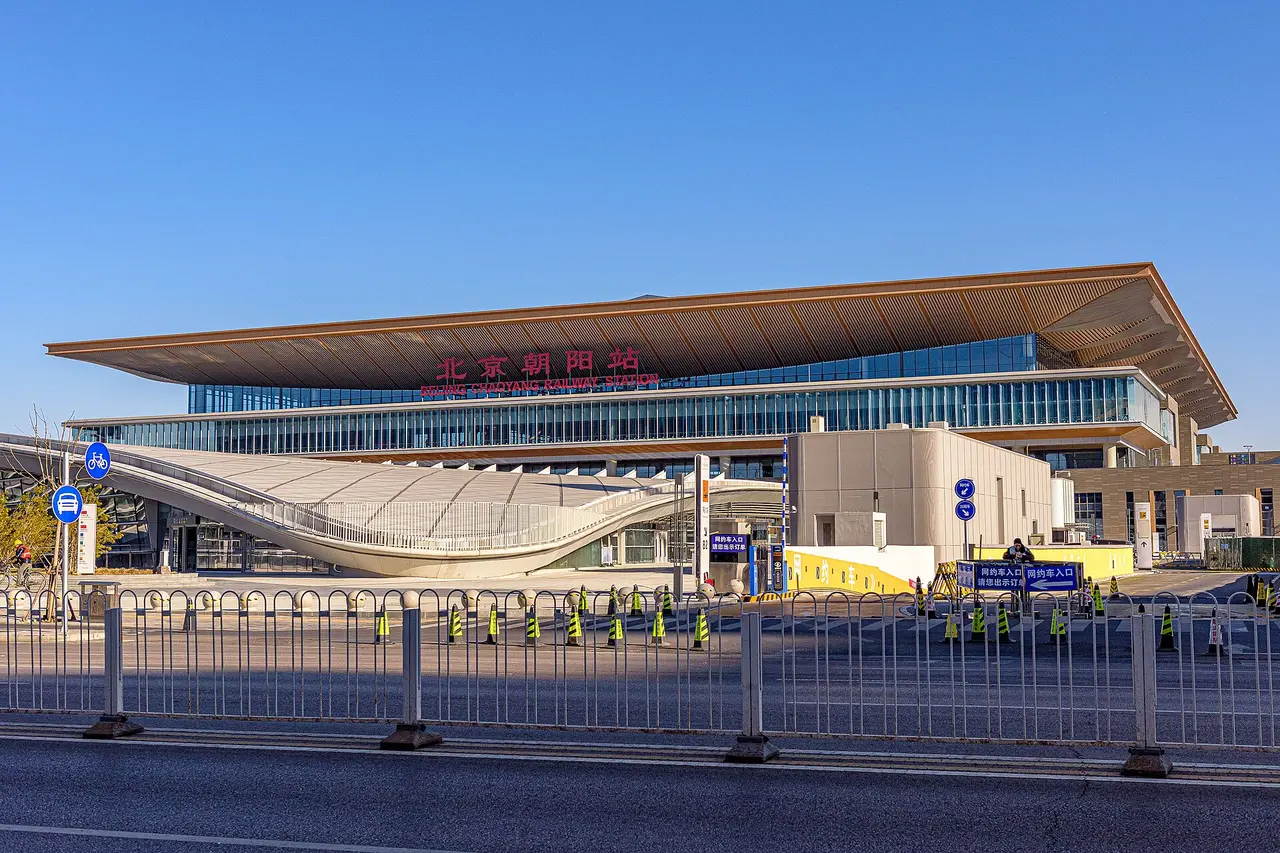
Eight of the 15 G trains are the quick ones, at 4h33 to 4h43 from Chaoyang to Harbin West: G101, G103, G105, G107, G115, G121, G123 and G125. G101 makes only two stops on the way, Shenyang North and Changchun West. Six more take 5h48 to 7h12, and G117 sits between the two groups at 4h49 because it runs into Harbin’s main station rather than Harbin West.
Two trains give you a choice of where to board. G107 starts at Beijing West at 08:56, calls at the main Beijing station at 09:15 and at Chaoyang at 09:37, and arrives at Harbin West at 14:19 whichever you pick. The fare falls with the shorter ride: ¥632, ¥627 and ¥620 in second class from those three stations on 20 October 2026. G121 works the same way from the main Beijing station at 14:12 or Chaoyang at 14:36. Boarding at Chaoyang rather than Beijing West saves ¥12 and 41 minutes on the train, though Beijing West is the right choice if it’s the station nearest you, since the arrival minute doesn’t change.
The cheaper G is the slow one. G3503 leaves Chaoyang at 08:25 and reaches Harbin West at 14:13, taking 1 hour 15 minutes longer than G101, and is ¥59 cheaper in second class. That’s the sort of saving a long itinerary can use, and it still beats any sleeper on time.
First and last trains of the day
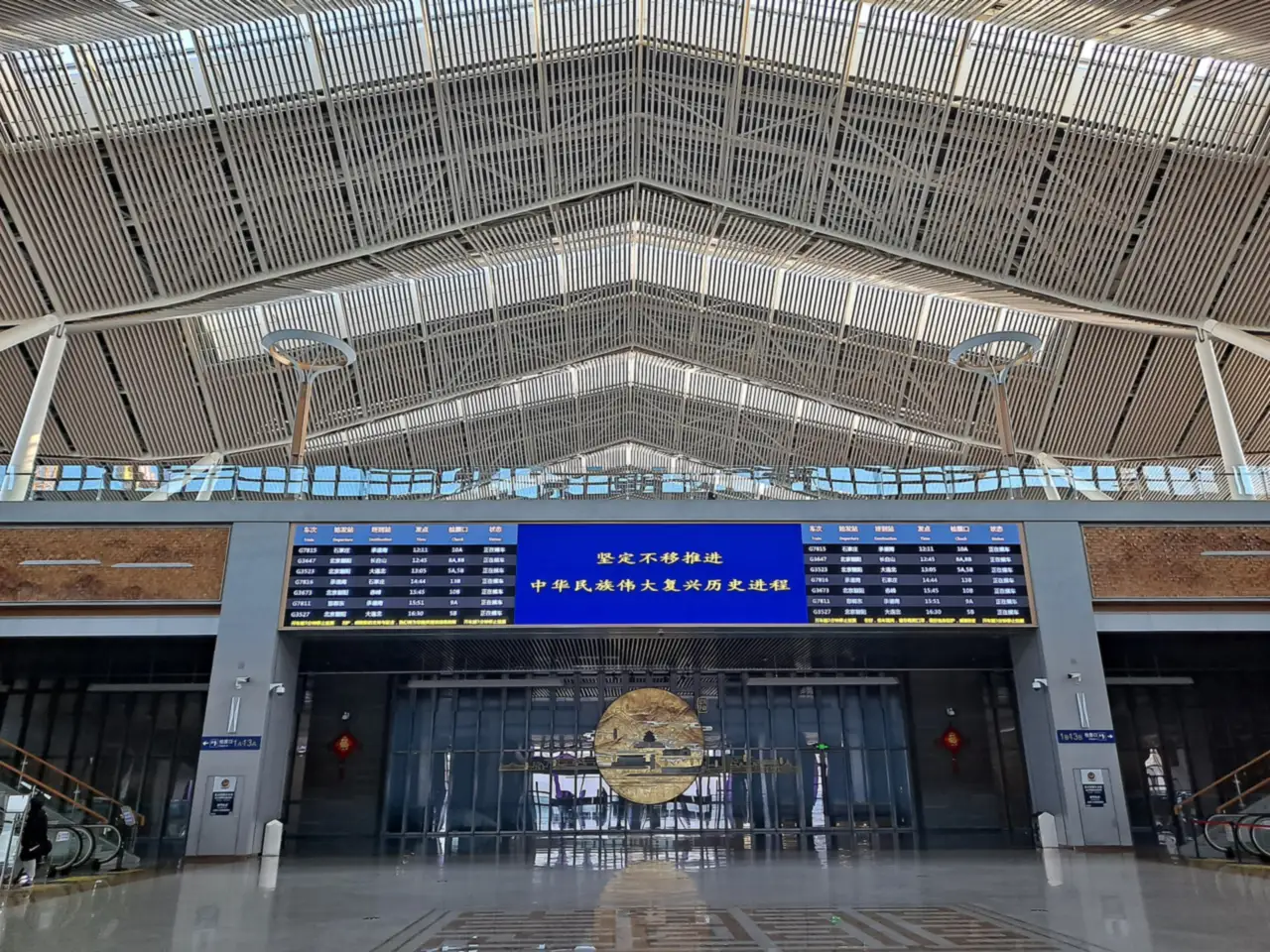
The G service starts early and stops mid-afternoon. The first G leaves Chaoyang at 07:54 (G3961, one of the slow ones) and the first quick one, G101, at 08:00; the last G, G125, leaves at 16:05 and reaches Harbin West at 20:47. After that the day’s remaining departures for Harbin are overnight trains: T182 from Beijing Fengtai at 16:15, T17 at 16:45, K546 from Beijing West at 17:28, which becomes K547 and calls at Beijing at 18:00, Z83 at 18:19, T47 at 18:41, Z203, Z15 and Z17 between 20:37 and 21:26, and K341 at 23:00. If a morning meeting runs long in Beijing, that 16:05 is the one to protect: miss it and you’re on a sleeper, arriving after 05:00.
Why the same seat has two prices
12306’s price lookup shows the fast G trains costing more at the end of the week. For G101, second class was ¥605 on every Monday to Thursday we queried, between 14 October 2026 and March 2027, and ¥633 on every Friday, Saturday and Sunday we queried in October 2026, plus Sunday 20 December 2026 and Friday 15 January 2027. First class moves from ¥969 to ¥1,013 and business class from ¥2,118 to ¥2,215. G105 shows the same pattern, from ¥620 to ¥648.
It isn’t universal. On the dates we compared, G117 and G3503 held their price from Tuesday to Sunday, and the sleepers did too. We didn’t find a railway notice explaining the weekday pattern, so treat it as what the lookup shows rather than a published rule. The practical use is simple: if the day is flexible, a midweek G101 or G105 costs about ¥28 less each way than the same train on a Friday, and about ¥97 less in business class.
What the overnight trains buy
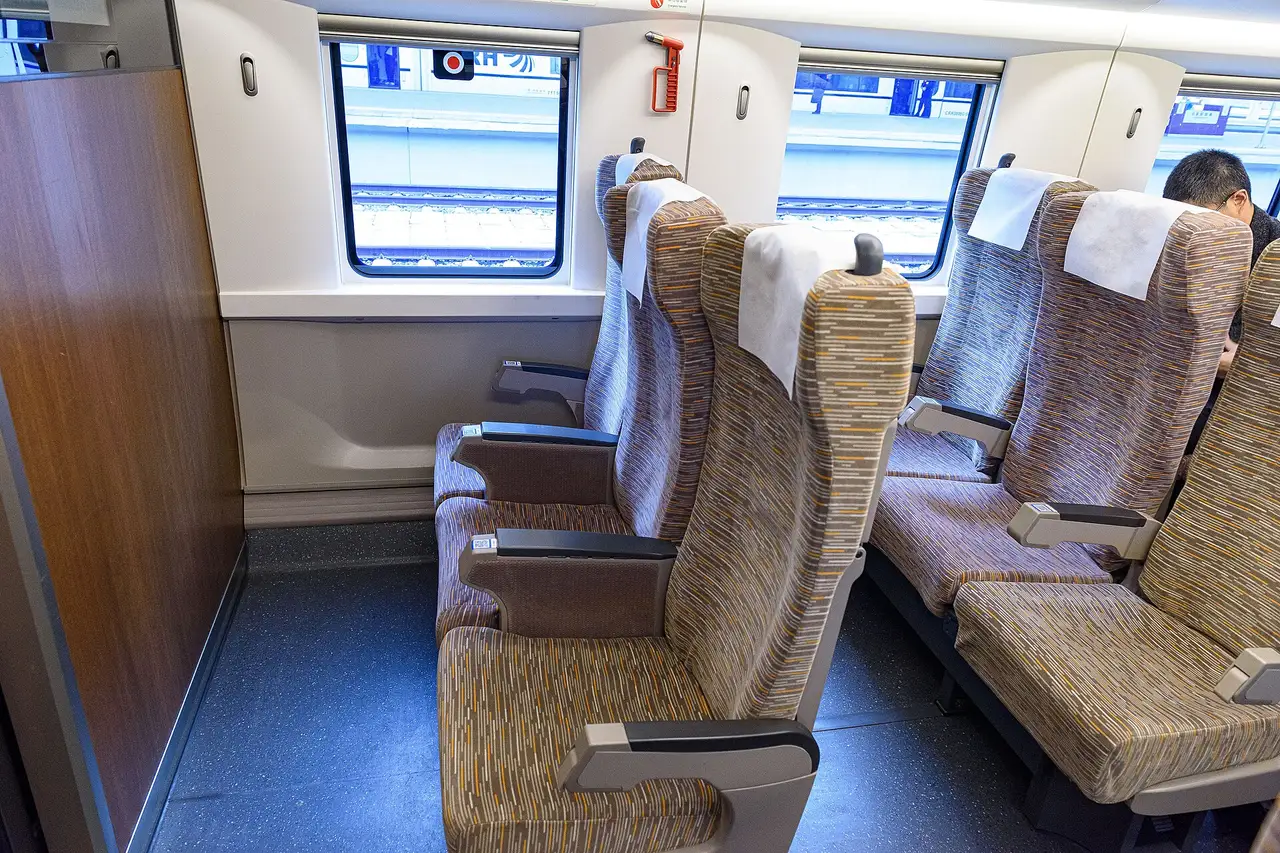
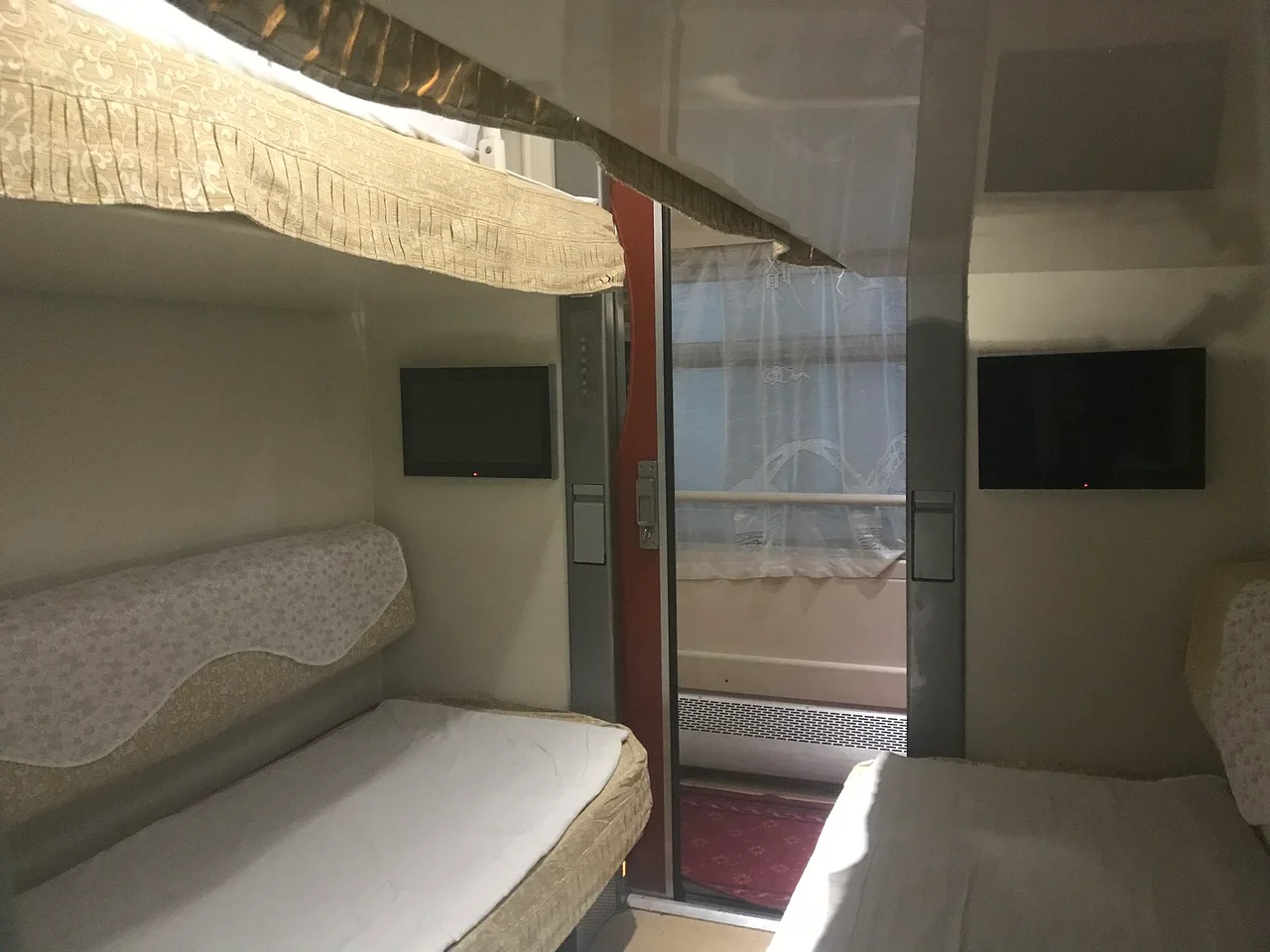
The sleepers matter because they replace a hotel night. Z15 leaves Beijing at 21:18 and arrives in Harbin at 07:40, and Z203 runs from 20:37 to 07:02, each in about ten and a half hours. They are soft-sleeper only on 12306’s listing, at ¥409.5; Z17, at 21:26, adds hard sleepers at ¥261.5. T17 leaves at 16:45 and takes 12h41, which puts it in Harbin at 05:26, an hour that’s hard to use; it sells hard seats at ¥152.5, hard sleepers at ¥261.5 and soft sleepers at ¥409.5. The K trains are the slowest, K341 at 16h03 and K339 at 18h10, and no cheaper than T17: their hard sleepers are ¥296.5 and ¥268.5.
On cost, set a soft sleeper (¥409.5) against a first-class seat (¥969 midweek): the sleeper is less than half, and you’re asleep. Against a second-class seat at ¥605 it’s about two-thirds, which is the number to weigh against a hotel night. What you give up is nearly six hours. For anyone who values a morning in Harbin, Z203, Z15 and Z17, arriving between 07:02 and 07:48, beat T17’s 05:26 by an hour and a half to two and a half hours on the platform. In midwinter Harbin’s sun doesn’t rise until about 07:11, by our calculation for 21 December 2026 on the China in winter page, so T17 arrives in the dark.
Harbin West or Harbin Station
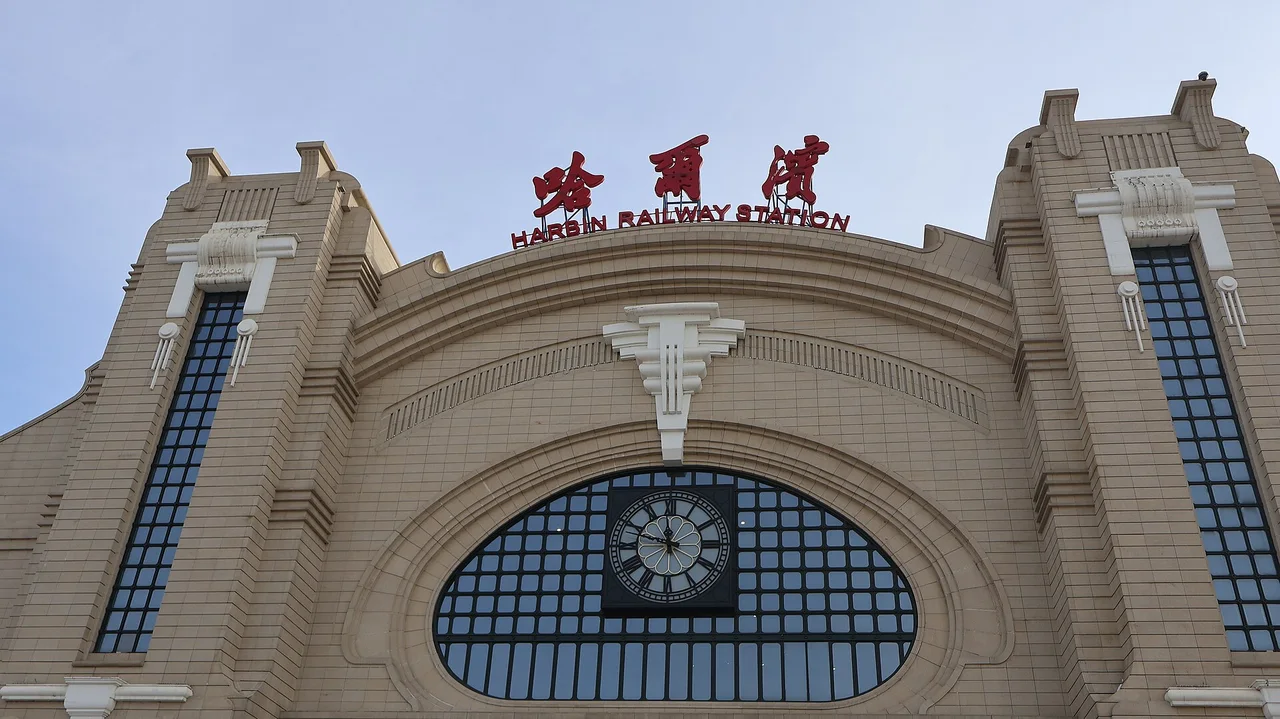
Most G trains end at Harbin West, but G117 and G3513 run into Harbin Station, the city’s main station. So do most sleepers, Z15, Z17, Z83, Z203, T17 and T47 among them; T182 from Beijing Fengtai ends at Harbin West, and several K trains also call at Harbin East, so read the station name on the ticket. For where each is on the metro and how to reach Central Street and the cathedral, see our Harbin guide.
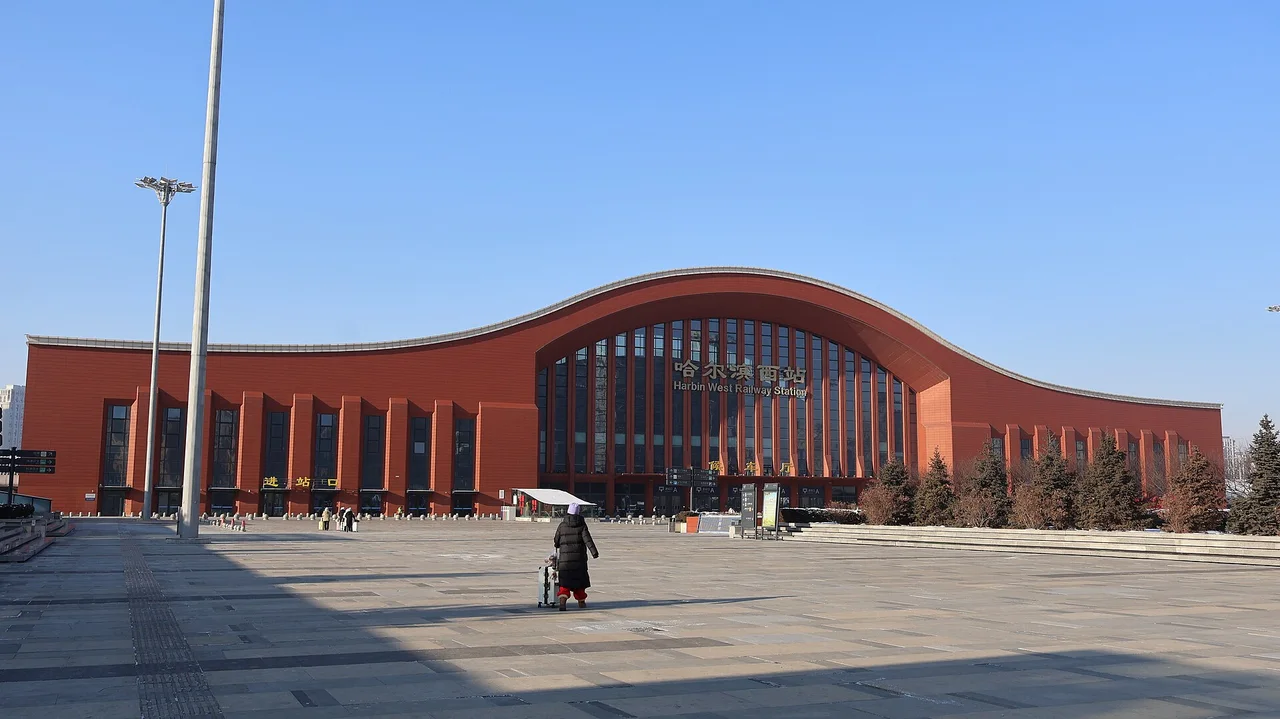
If you’re coming for the ice parks, the choice matters little. The Ice and Snow World’s own page lists about 12 km and 25 minutes from Harbin Station and about 13 km and 30 minutes from Harbin West, which is five minutes’ difference. The park’s season, tickets and shuttle are on our Harbin ice festival page.
Booking, in brief
Tickets go on sale 15 days ahead and need a passport. Our 12306 vs Trip.com comparison covers how a foreign passport works on 12306, the refund and change fees and what to do at the station. Around the Spring Festival the rail rush changes availability for every train on this page; the Chinese New Year guide has the dates and the sales calendar.
Which train for which trip
- You’re short on time and want the afternoon in Harbin. G105 at 08:55 gets you into Harbin West at 13:28.
- You’d rather not lose a hotel night. Z15 or Z203, arriving at 07:40 or 07:02, soft sleeper only at ¥409.5.
- You want the lowest sleeper fare and have the time. Z17 in a hard sleeper at ¥261.5, leaving Beijing at 21:26 and arriving at 07:48; T17 costs the same but arrives at 05:26. Or G3503 at ¥546 if you’d rather arrive the same afternoon.
- You’re on a Friday-to-Sunday date. Move the G101 or G105 to a Monday to Thursday if you can, and save about ¥28.
Read also

Transport · 12 min read
12306 vs Trip.com: Booking China Train Tickets (2026)
Verified · 3 October 202612306 is China Railway's site; Trip.com adds PayPal and home currency. The 15-day window, the new Beijing-Shanghai pre-booking, fees and which to use.

Before you go · 9 min read
China in Winter: Weather, Crowds and What Stays Open
Verified · 13 October 2026January lows run from -22.9°C in Harbin to 19.5°C in Sanya. Which cities have heating, when winter hours start, and which week is crowded.

Before you go · 8 min read
Chinese New Year 2027 in China: What Closes and When
Verified · 10 October 2026New Year's Day is 6 February 2027; the State Council hadn't set the break by mid-October 2026. What closed in 2026, the rail window, dates to watch.

Things to do · 10 min read
Harbin Ice Festival 2026-27: Dates, Tickets, Getting There
Verified · 10 October 2026The 28th Ice and Snow World had no date on 10 October 2026. In 2025-26 it ran 17 Dec to 21 Feb, ¥328 a ticket. How to buy from abroad and get there.