
Hong Kong to Shenzhen: High-Speed Rail or East Rail?
Compare West Kowloon trains with East Rail via Lo Wu and Lok Ma Chau, including dated fares, border hours and the difference between two Futian arrivals.
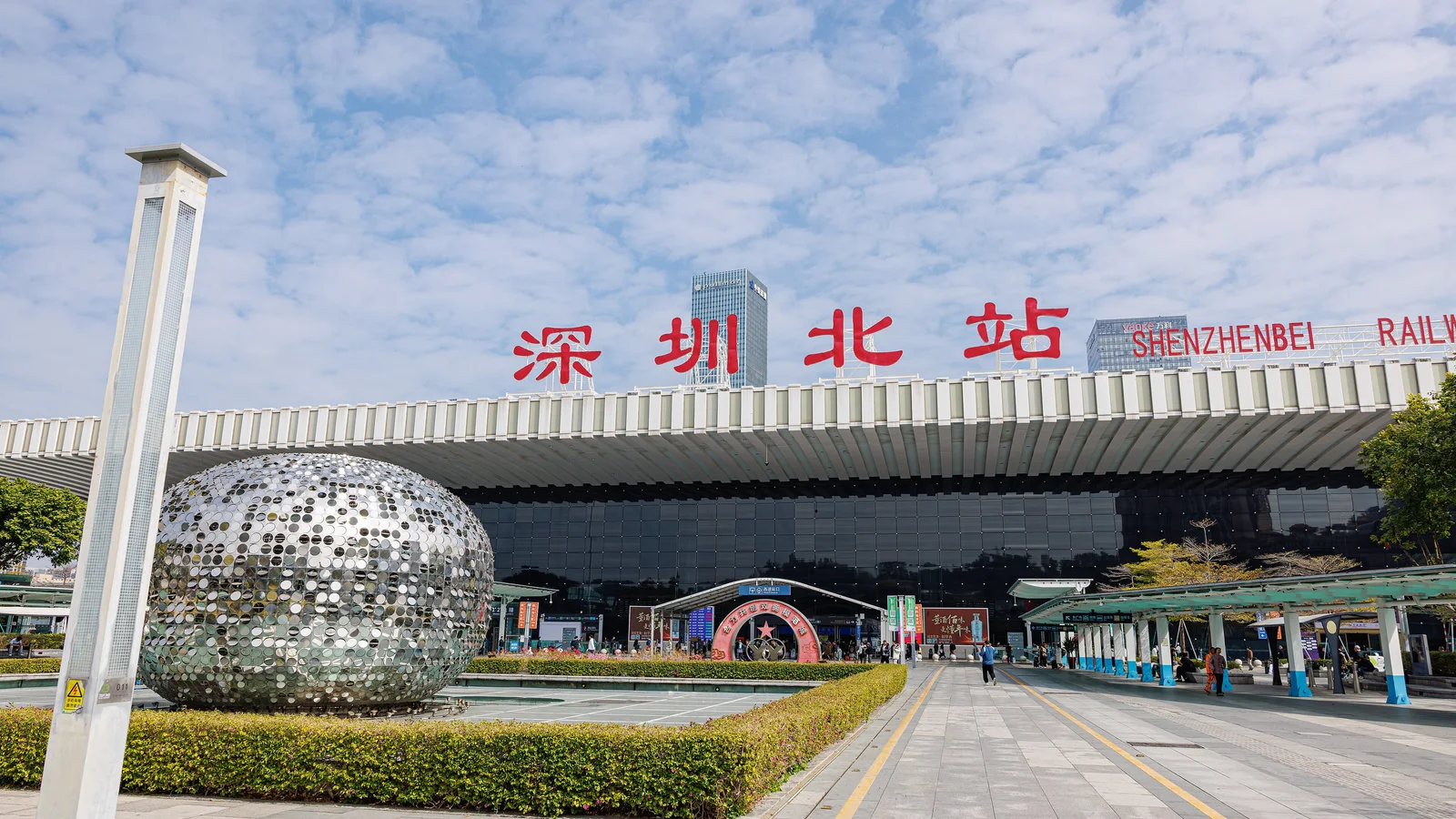
There are two railway ways into Shenzhen from Hong Kong: a reserved high-speed train from West Kowloon, ¥68 to Futian in second class, or the local East Rail line to Lo Wu or Lok Ma Chau and a walk across the border. On the high-speed train you clear both immigrations before you board; on East Rail you clear them on foot at the checkpoint. Pick the one that ends where you’re going in Shenzhen.
The easily confused name is Futian. A high-speed ticket to Futian railway station and an East Rail journey towards Futian checkpoint take you to different places. A host who says “come to Futian” hasn’t yet given you enough information. Ask for the full station or checkpoint name and the onward address, especially if someone is collecting you.
Match these four names to your destination
What matters is where you come out after the border. MTR’s route information, checked on 7 November 2026, ties each East Rail branch to one pedestrian crossing; the high-speed trains run to mainland stations of their own.
| Journey selected in Hong Kong | Mainland endpoint to keep in your plans | Border arrangements |
|---|---|---|
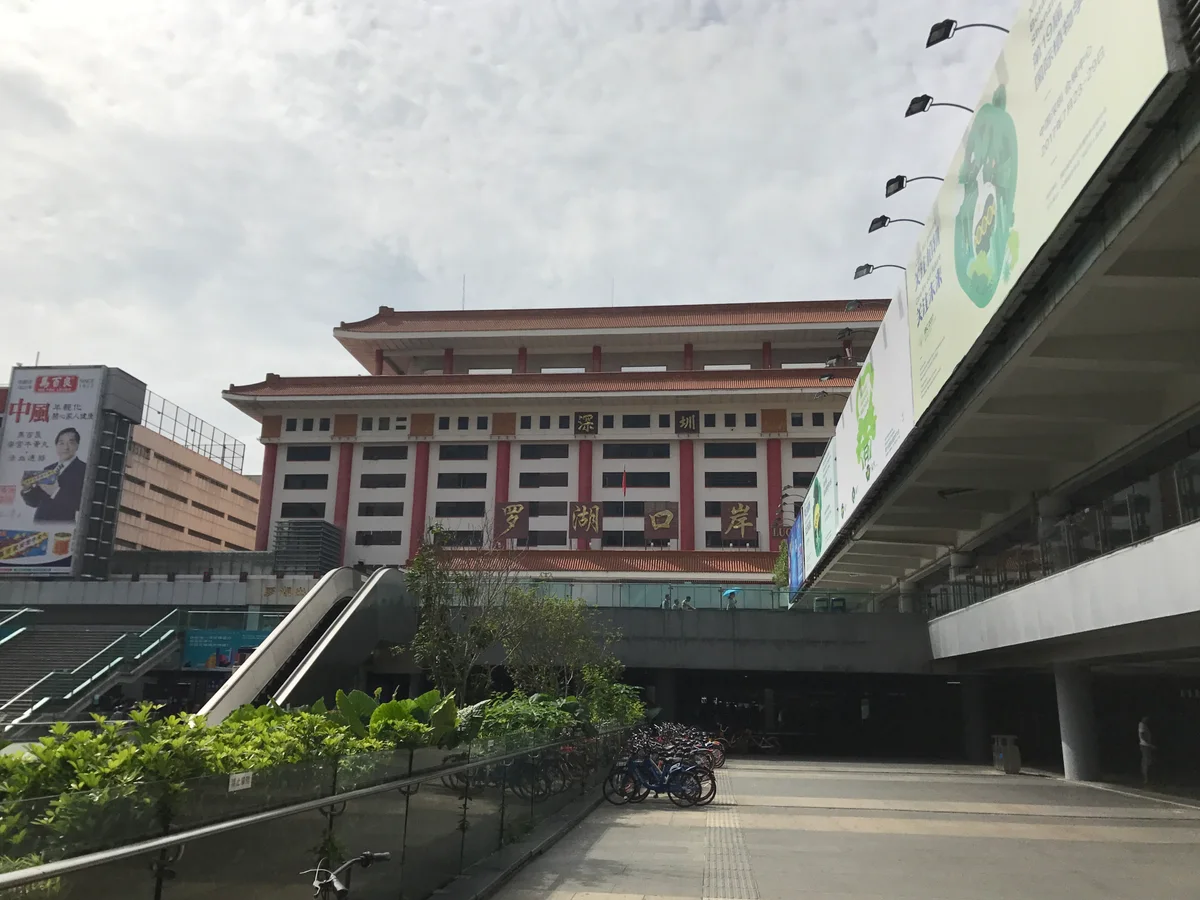
| East Rail to Lo Wu | Luohu checkpoint | Follow the pedestrian border route after the local train |
| East Rail to Lok Ma Chau | Futian checkpoint | Follow the pedestrian border route after the local train |
| High-speed train to Futian | Futian railway station | Complete both sets of immigration checks at West Kowloon before boarding |
| High-speed train to Shenzhenbei | Shenzhen North railway station | Complete both sets of immigration checks at West Kowloon before boarding |
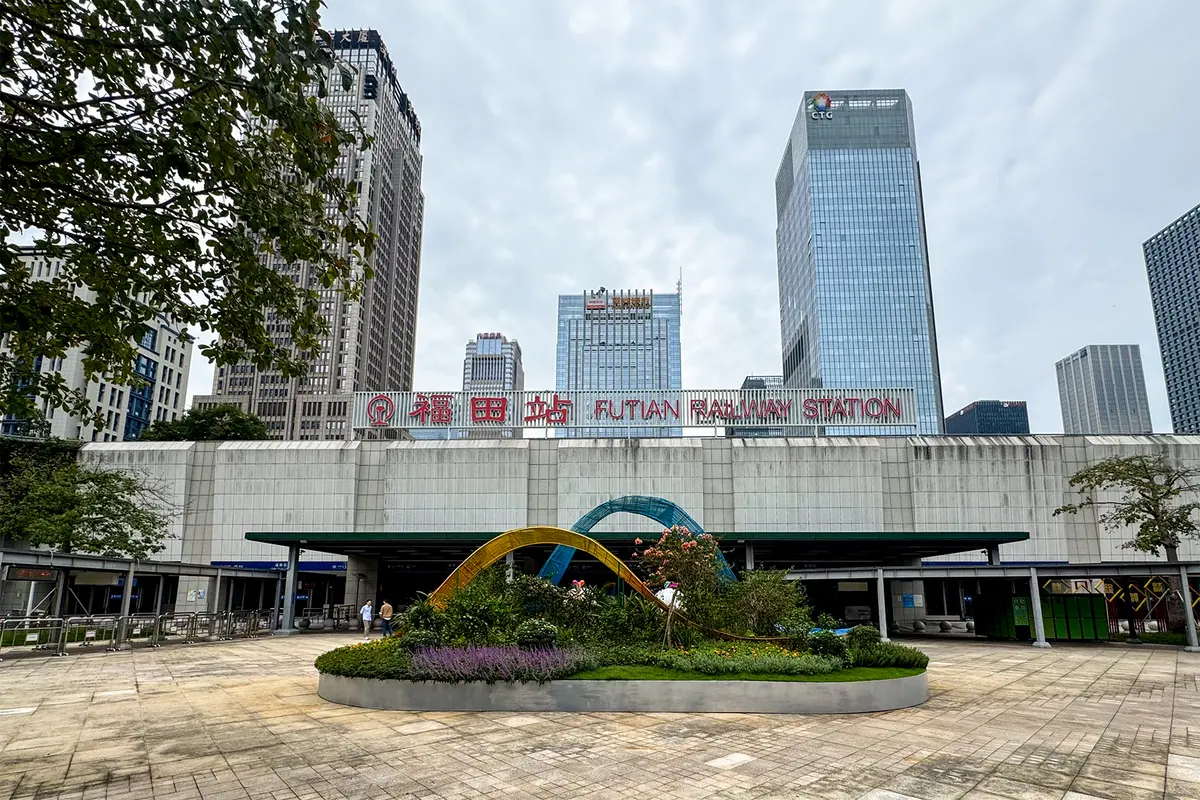
If your next train in China leaves from Shenzhen North, take the high-speed train straight there and skip a cross-town transfer. For a hotel, send the property the four names in the table and ask which one is nearest its entrance.
East Rail uses a local ticket followed by a pedestrian crossing
East Rail is the local railway option. MTR lists Octopus and Single Journey Tickets for these journeys. Select Lo Wu or Lok Ma Chau as the actual destination when checking your ticket, balance or route. You aren’t reserving a carriage and seat through 12306 for this part of the trip.
The distinction matters if you’ve already bought a Hong Kong transport pass. The ordinary Tourist Day Pass excludes travel to and from Lo Wu and Lok Ma Chau under the conditions checked on 7 November 2026. MTR also sells separate cross-boundary tourist products, so compare the precise product name and coverage instead of treating every tourist ticket as equivalent.
Check the local fare from your real starting station. A price quoted from somewhere else in Hong Kong won’t cover your journey reliably, and a pass already in your wallet doesn’t settle whether the border segment is included. If the ticketing options are unclear, ask at an MTR customer service point before entering the gates.
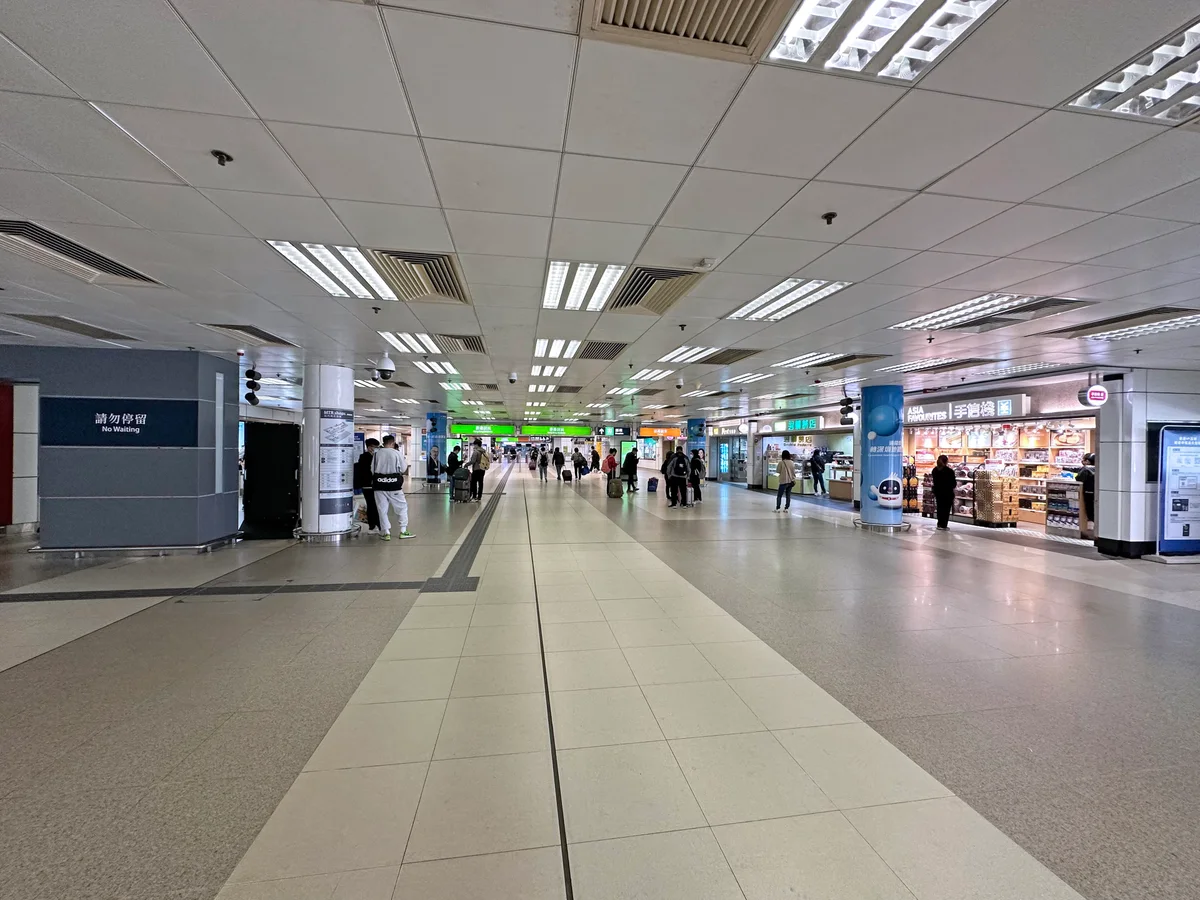
At the destination station, the journey continues through the border facilities. Have your original passport and required entry documents available as you follow the signs; our China visa guide covers who needs a visa. Keep bags manageable for the walking section, and confirm assistance arrangements in advance if someone in your group has limited mobility. The local rail ticket and mainland entry permission are separate matters.
This option can suit a journey organised around Luohu or Futian checkpoint, or a traveller who wants to use the local rail network to reach the border. Its usefulness still depends on your Hong Kong starting point and Shenzhen destination.
Our China travel apps guide is useful for preparing maps and communication for the mainland leg. Save the arrival point under its complete name, with your hotel or meeting address. A working local railway plan gets you to the border; those saved details help you continue once you have crossed.
High-speed rail: a reserved seat, with the border before the platform
High-speed rail gives you a reserved departure to a named mainland station. The adult second-class short-haul fares in MTR’s implemented chart, applying from 11 October 2026 and checked on 7 November, were ¥68 to Futian, about US$10.15 / £7.65 / €9.05, and ¥75 to Shenzhen North, about US$11.20 / £8.45 / €10. That’s the train journey alone, and you’ll still pay for local transport at either end.
MTR sets the fare in renminbi, reprices the Hong Kong dollar fare every month and says the train and routing can change the amount, so read the final figure for your own departure.
Time and fare on each route
| Route | Time on the train | Adult fare |
|---|---|---|
| High-speed, West Kowloon to Futian | 14 to 16 minutes | ¥68, second class |
| High-speed, West Kowloon to Shenzhen North | 18 to 29 minutes | ¥75, second class |
| East Rail, Admiralty to Lo Wu or Lok Ma Chau | about 45 minutes to Lo Wu, about 50 to Lok Ma Chau | HK$52.20 on Octopus, HK$55.50 single journey |
| East Rail, Hung Hom to Lo Wu or Lok Ma Chau | in MTR’s journey planner | HK$41.60 on Octopus, HK$45 single journey |
The high-speed times are 12306’s for trains on 17 November 2026, read on 7 November: it listed 52 trains to Futian and 87 to Shenzhen North between 07:01 and 23:00. The East Rail figures are MTR’s published adult fares for ordinary class, read on 7 November 2026, and the Transport Department’s estimates of about 45 minutes from Admiralty to Lo Wu and about 50 to Lok Ma Chau. Those columns count different things, so don’t read them as a straight race: the 45 minutes on East Rail ends at a checkpoint you still have to clear, while the 14 minutes on the high-speed train follows a border procedure that opens up to 90 minutes before departure.
For a destination in Futian or at Shenzhen North, the high-speed train is the better fit: you clear the border at the Hong Kong end and it’s the right station when you step off. East Rail makes sense when your base is already on that line or you’re heading for the Luohu area. The Immigration Department gives Lo Wu, Lok Ma Chau Spur Line and West Kowloon the same warning: waits for clearance are longer at peak hours, especially in peak travel seasons, on holidays and at weekends, so allow extra time for a weekend crossing whichever way you go.
Booking channels include 12306, designated agents and station sales facilities. Use the valid passport you’ll carry and check the passenger details against it before completing the order. Keep the issued reservation accessible, including the date, train number and exact destination.
At West Kowloon, document and ticket checks, security and both Hong Kong and mainland immigration happen before you board, and real-name verification on B1 stops 30 minutes before departure. The full sequence, and how early to arrive with a foreign passport, are in our Hong Kong to Guangzhou guide. A short ride doesn’t shorten that preparation.
Choose this route when the reserved departure and its mainland station fit your plans; it doesn’t suit someone who’d rather turn up and go. Compare the whole journey from your accommodation, including reaching West Kowloon and travelling onwards in Shenzhen.
Plan the return before an evening crossing
For a late return, the two East Rail crossings close at different times: on MTR’s hours checked on 7 November 2026, Lok Ma Chau, for Futian checkpoint, runs 06:30 to 22:30, and Lo Wu, for Luohu, 06:30 to midnight. So Luohu is the crossing for a late night, with 90 minutes more. Neither time tells you the last East Rail train to your Hong Kong station, which is a separate thing to look up. The Immigration Department lists another land crossing, Huanggang, as open 24 hours, but it isn’t an East Rail stop, and this guide doesn’t cover how to reach it.
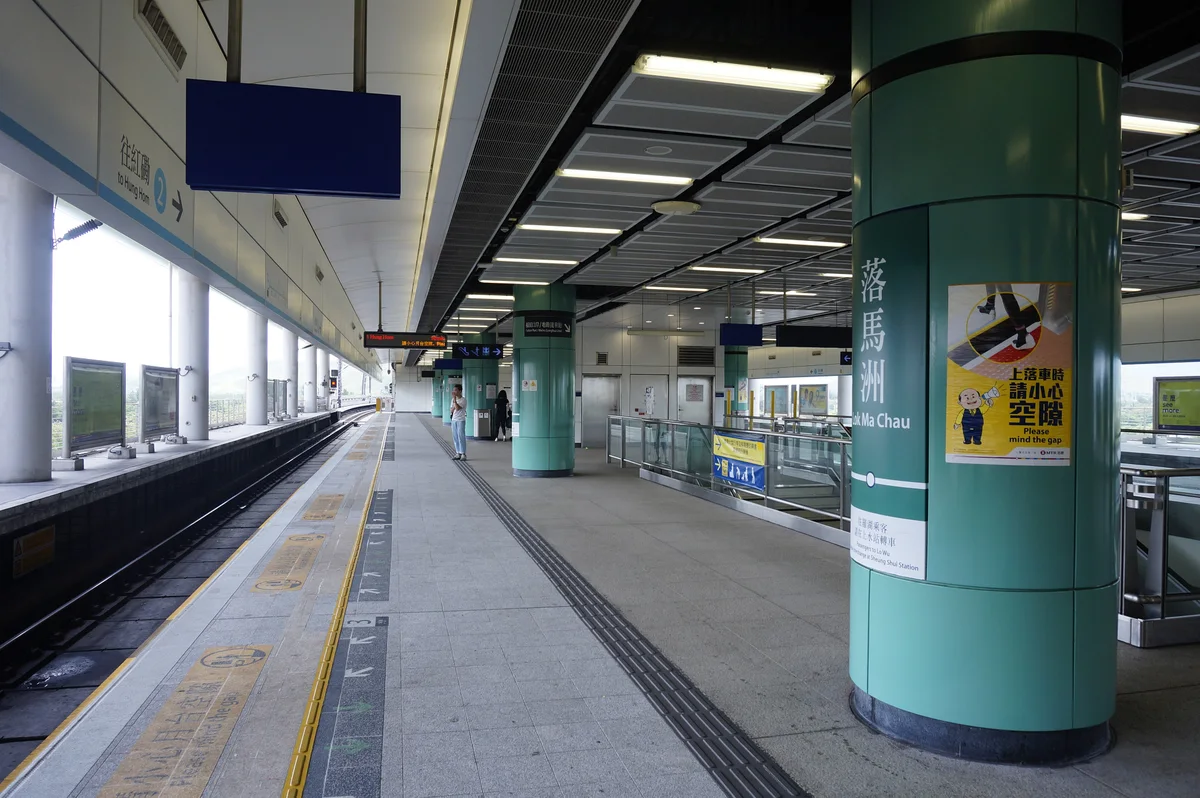
For an evening visit, look up that last train from Lo Wu or Lok Ma Chau to your station before you go, and leave time to clear both checks on the way back.
If you plan to return by high-speed rail, search the return date and departure separately. Keep its ticket and station details with the outward booking. If you instead intend to return through a pedestrian crossing, identify which one and check its transport connections before leaving Hong Kong. Changing the route can change where your waiting driver or travelling companions need to meet you.
Set up mainland payment before you cross: the Octopus card covers your Hong Kong travel, and the China payment guide covers the Shenzhen side.
Before an evening departure, have four things written down: your exact mainland arrival point, the route to the address you need, your intended return crossing or station, and the transport connection that makes that return practical. If one is unresolved, sort it out before the train journey begins.
Read also

Transport · 8 min read
Beijing Subway for Tourists: Cards, Gates and Stations
Verified · 8 November 2026Use a foreign bank card, a single ticket or BEIJING PASS on the metro, avoid mixing payment devices and find the right line for your railway station.

Transport · 7 min read
Beijing to Datong Train: 1h46-2h36, ¥148-170 (2026)
Verified · 8 November 2026Beijing North to Datong South takes 1h46-2h36, second class ¥148-170 on 10 November 2026. One day works for Yungang; the Hanging Temple needs a night.

Transport · 8 min read
Beijing to Xi’an by Train: Day Seats or a Sleeper?
Verified · 7 November 2026Compare direct daytime and overnight trains, the stations each uses, passport boarding and an overnight stop in Pingyao between Beijing and Xi’an.

Transport · 7 min read
China Train Classes: Is the Upgrade Worth It?
Verified · 7 November 2026Compare second, first and business class by seating, a dated fare example, family prices and baggage rules before paying to upgrade your group.