
Xi'an vs Chengdu: Choose One Extra City Stop
Decide whether Xi'an or Chengdu suits an extra China stop by comparing the Terracotta Warriors and panda visits, the remaining city day and booking needs.
Choose Xi’an if archaeology is the point: the Terracotta Warriors, the Ming wall and the Shaanxi History Museum. Choose Chengdu for the giant pandas first thing in the morning, teahouses and Sichuan food, with the Giant Buddha at Leshan as a day trip. The two are a direct high-speed ride apart, from just over three hours to about four and a half (Chengdu guide), so a longer trip can take both.
Warriors or pandas: the main outing
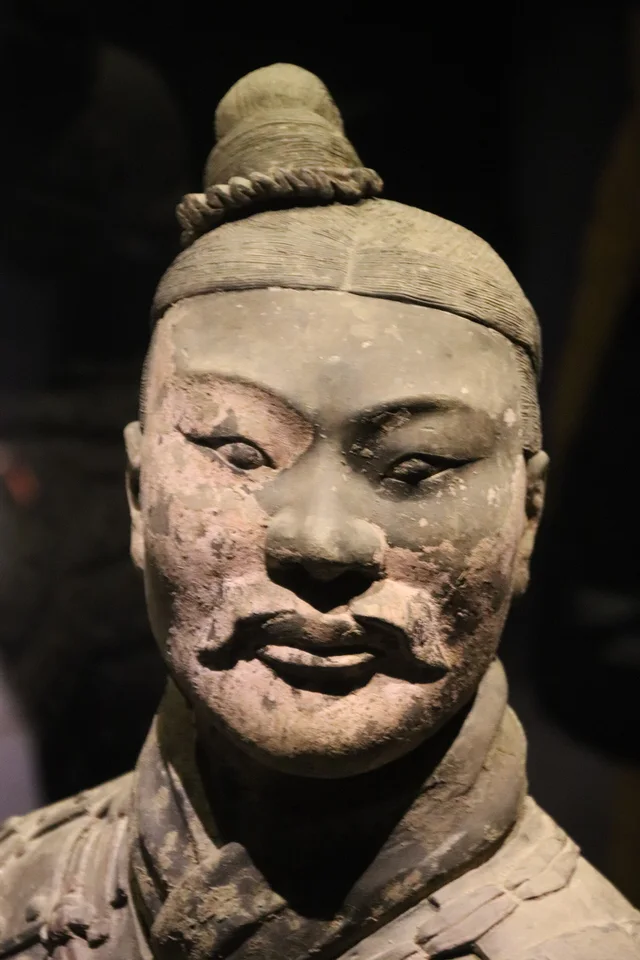
Each city has one outing that decides the trip, and they cost different things. At Emperor Qinshihuang’s Mausoleum Site Museum the ordinary adult ticket is ¥120 (about US$18, £13.50 or €16) and covers the Terracotta Museum and Lishan Garden; the Terracotta Warriors ticket guide has the two-site visit, the passport rules and the transport.
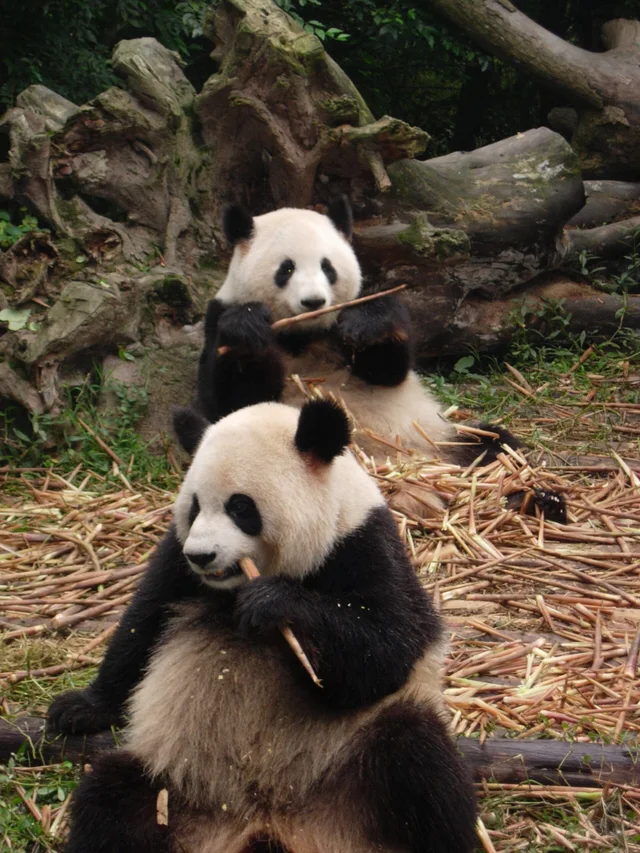
At Chengdu the outing is the Chengdu Research Base of Giant Panda Breeding, and it’s worth naming exactly, because Panda Valley and other panda sites are different places. Adult admission is ¥55 (about US$8.20, £6.20 or €7.35) for visitors over 18 and up to 59; the internal bus is extra, and the Chengdu guide covers the concessions for children and over-60s. Entry is by timed window, and booking opens 14 days ahead.
The Warriors have their own clock. The museum reckons on about an hour and a half at each of its two sites, and from 16 November to 15 March entry stops at 16:30, so a winter visit wants a morning start. The panda base keeps winter hours too: morning entry opens at 08:00 from November to February and at 07:30 from March to October, and runs until noon.
The panda base is cheaper to enter than the warriors, but that tells you little about the day. The base sells morning and afternoon windows, and the Chengdu guide recommends the morning, so the window you can reach matters more than the ticket price. If you’re arriving by train that day, stay a night first.
The second day in each city
Plan one day in each city that leaves the headline attraction out. It shows you what you’d be staying in, not just passing through.
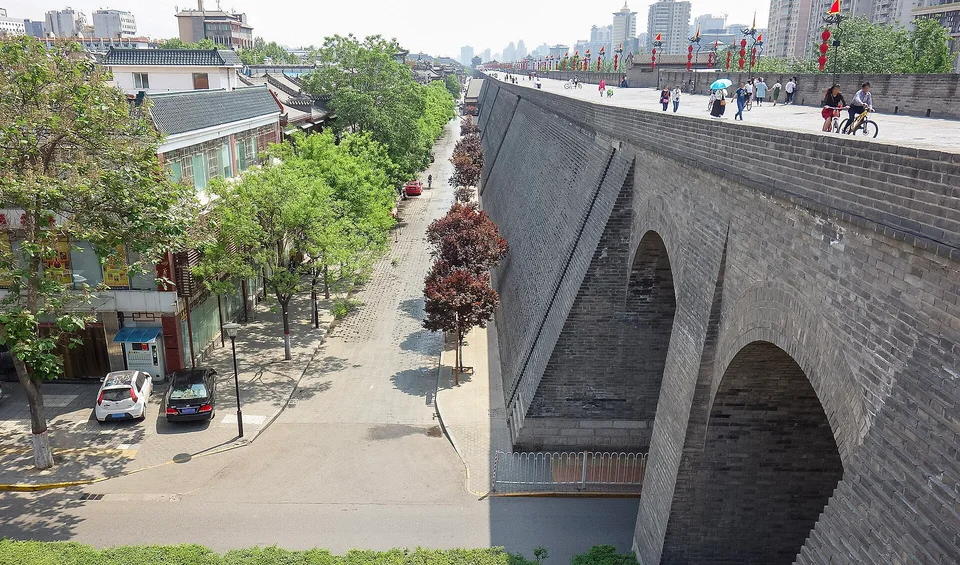
In Xi’an, that day is the wall, the towers and the Muslim Quarter, all on foot. The full wall ticket is ¥54 (about US$8.05, £6.10 or €7.20), and Xi’an in 2 days with the Terracotta Warriors shows how the city day fits around the Warriors. The Xi’an city guide covers the rest.
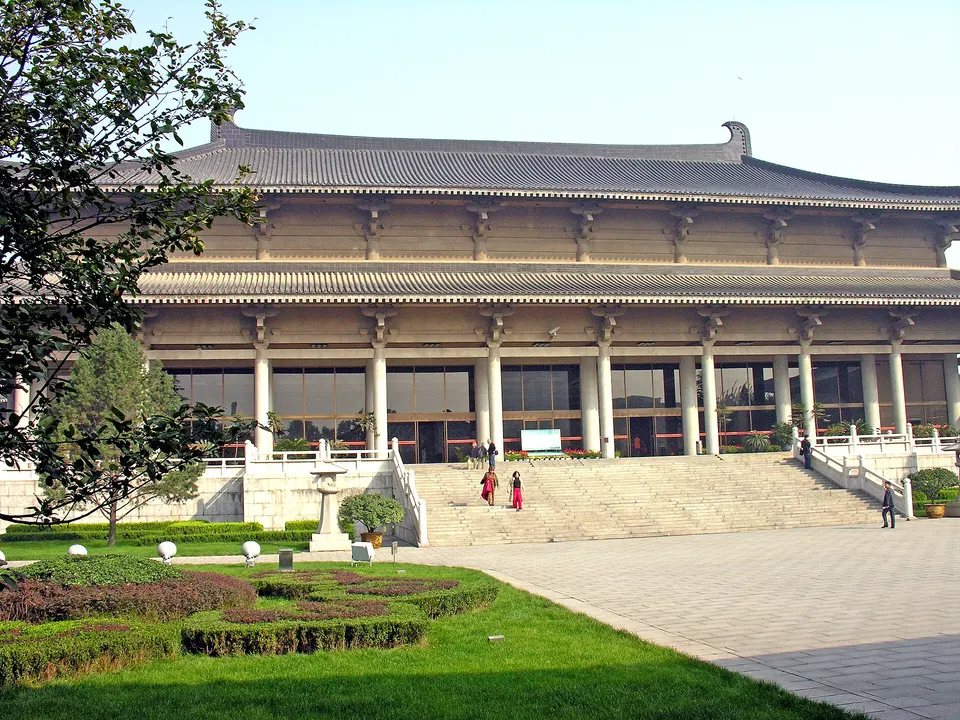
The Shaanxi History Museum needs planning too: like the Warriors, it’s booked online in advance, and tickets for its main venue are released only five days ahead at 17:00. Basic admission is free; the Qinhan venue is a separate museum in Xixian New Area. From 15 March to 14 November 2026 the main venue opened on Mondays too, so look at the museum’s notice before planning a Monday in winter.
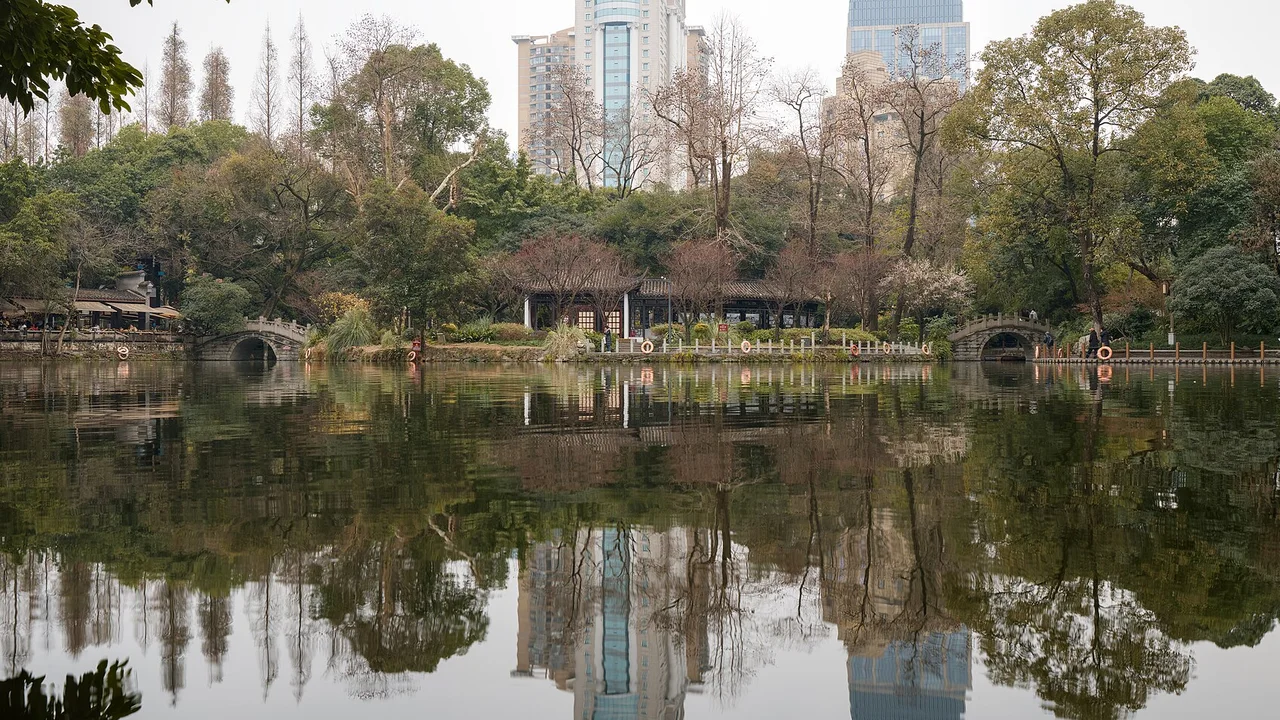
Chengdu’s second day doesn’t need a museum. The Chengdu guide builds it from Wuhou Shrine and the Jinli street beside it, plus an afternoon over tea in People’s Park, the park on this page’s cover.
Wuhou Shrine is the Three Kingdoms memorial. Liu Bei crowned himself emperor of Shu Han in 221 and made Chengdu his capital; the halls you walk through were rebuilt in 1671, after being destroyed in war at the end of the Ming dynasty. Jinli, the street of snack stalls, teahouses and craft shops beside it, opened in 2004 as part of the same complex, so the shrine by day and Jinli for dinner make one outing. The teahouse in People’s Park is the quieter half of the day: the Heming tea house has been pouring tea since 1923, with tables under the trees by the lake, and locals settle in for the afternoon. Give it two hours, not twenty minutes.
Chengdu has a day trip of its own too: the Leshan Giant Buddha, a short train from Chengdu, under an hour each way on the dates the Chengdu guide checked. That makes three days in Chengdu without repeating yourself, against two in Xi’an before you add a trip such as Huashan.
Food, side by side
Eating is half of why people pick Chengdu, and Xi’an holds its own. In Xi’an the food is in the Muslim Quarter, which begins behind the Drum Tower and takes in Beiyuanmen, Beiguangji Street and several more streets. Its shops and stalls are run by the city’s Hui Muslims, so the food is halal. Look for roujiamo, a baked bun stuffed with chopped meat, and yangrou paomo, lamb soup with broken bread, and across the city for biang biang noodles and guotie, open-ended dumplings fried crisp underneath.
In Chengdu the case rests on range. UNESCO named the city a Creative City of Gastronomy in 2010 and calls it the cradle of Sichuan cuisine, and its citation makes a point worth taking to the table: the hallmark of the cooking is sweet, sour, bitter, spicy and salty mixed together. If chilli is a worry, the Xi’an plate is the gentler one; if it’s the draw, Chengdu is the city to spend a second night in.
The Leshan day
The Giant Buddha was carved out of a hillside in the 8th century and sits 71 metres high above the meeting of three rivers; UNESCO lists it with Mount Emei as one World Heritage Site, inscribed in 1996. On 12306’s timetable for 17 November 2026, the quickest train listed from Chengdu South, G5415, runs 41 minutes for ¥51 in second class, and the scenic area charges its own entry on top. It’s a short train ride, much as Huashan is from Xi’an, so add Huashan and Xi’an runs to three days as well.
Weather and season
Chengdu is warm, damp and often overcast. The China Meteorological Administration’s normals give Chengdu’s October an average high of 20.6°C but 14 wet days, and November a cooler 15.6°C with eight, so if you want a dry early morning at the panda base and don’t mind a jacket, November is the better bet. In Xi’an, April and October have much the same average highs, 20.4°C and 19.3°C, but nine wet days in April against 11 in October, so the spring month is the drier one.
Getting from one to the other
If you’re doing both cities, the train makes it easy. On 12306’s timetable for 17 November 2026, G3437 leaves Xi’an North at 07:33 and reaches Chengdu East at 11:06 (3h33, ¥263 in second class). Slower trains on the same morning take up to about four hours, so you can leave after breakfast and still have the afternoon in Chengdu. Those are one date’s times read on 8 November 2026; pick yours on 12306 before fixing a hotel.
Order is your call. Ending in Chengdu lets you finish on tea and food after the early starts the Warriors and the pandas both ask for.
Which suits you
- History and museums, with a wall to walk: Xi’an.
- Pandas, food and a slower pace: Chengdu.
- Only room for one extra stop after Beijing and Shanghai: Xi’an if you haven’t seen a major ancient site yet; Chengdu if the wildlife and the food are what you’d tell people about.
- A week or more: both, with the morning train between them.
Read also

Before you go · 7 min read
Beijing vs Xi'an: Plan Your Cultural Days
Verified · 15 October 2026Choose Beijing or Xi'an by the visits you want to reserve: palace and garden days, Terracotta Warriors, the city wall and the Shaanxi History Museum.

Before you go · 7 min read
Xi'an in 2 Days with the Terracotta Warriors
Verified · 15 October 2026Two full days in Xi'an with the Terracotta Warriors: both museum sites on day one, then the Bell and Drum Towers, the Muslim Quarter and the wall.

Before you go · 8 min read
Beijing in 3 Days: A Plan Around Tickets and Mondays
Verified · 8 November 2026Three full days for the Forbidden City, Mutianyu and Temple of Heaven, with a workable order, winter cut-offs and changes when palace tickets sell out.

Before you go · 7 min read
Beijing vs Shanghai: Great Wall or the Bund, or Both?
Verified · 8 November 2026Beijing for the Forbidden City and Great Wall, Shanghai for the Bund and a museum with no booking. Closure days, January cold and the 4h18 train.