
Beijing vs Shanghai: Great Wall or the Bund, or Both?
Beijing for the Forbidden City and Great Wall, Shanghai for the Bund and a museum with no booking. Closure days, January cold and the 4h18 train.
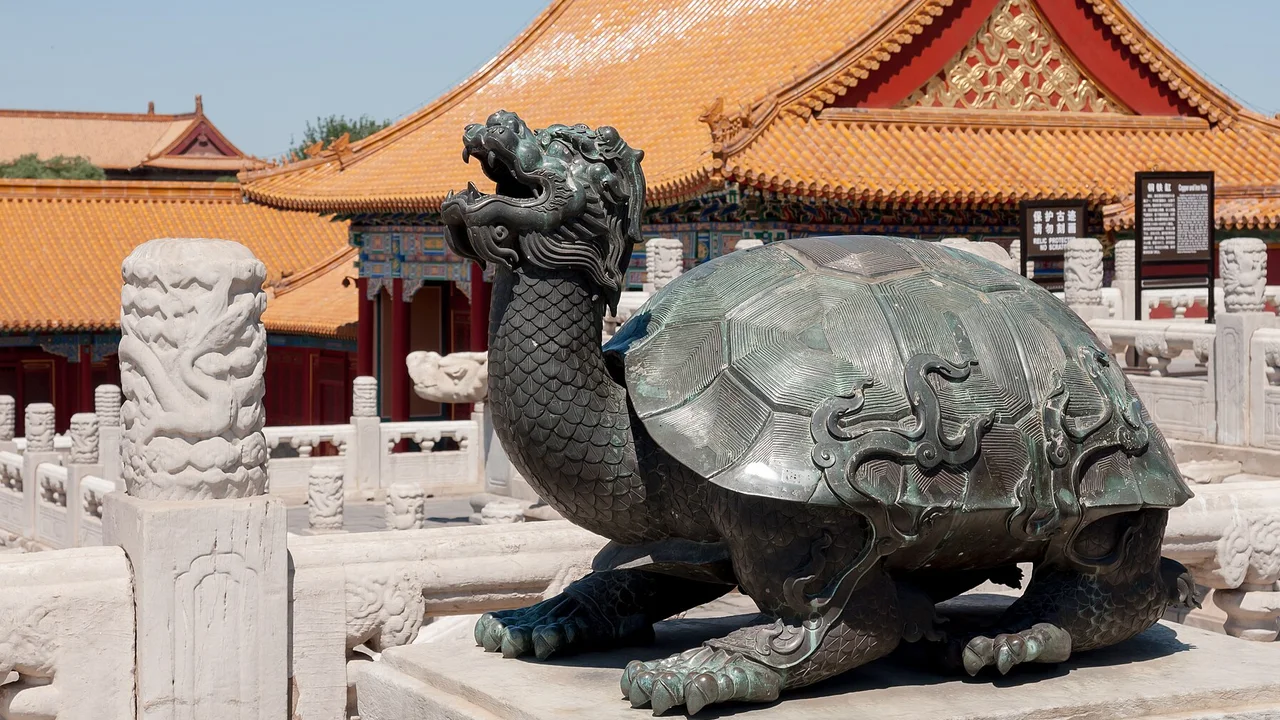
Choose Beijing if the Forbidden City and the Great Wall are the reason for the trip; choose Shanghai for the Bund, the Shanghai Museum and the lane neighbourhoods, with Suzhou and Hangzhou as day trips. Most first trips don’t have to choose: the fastest train between the two, G25, takes 4h18 on 12306’s timetable for 12 November 2026 (Beijing to Shanghai by train), and three days in each is the usual split (Beijing in 3 days, Shanghai in 3 days).
The harder part is the week itself. The two cities close their big sights on different days, Beijing’s January is several degrees colder outdoors, and the Shanghai Museum is currently split between two buildings, so the name alone won’t tell you which one you mean.
Beijing and Shanghai side by side
| Beijing | Shanghai | |
|---|---|---|
| Signature sights | Forbidden City, Temple of Heaven, Great Wall | Shanghai Museum East, the Bund, Yu Garden |
| Booking you can’t skip | Palace Museum: online, opens 20:00 Beijing time seven days ahead | Museum East: none for ordinary visits, passport at the door |
| Weekly closures | Palace Museum, Temple of Heaven halls, Summer Palace inner sights: Mondays | Museum East: Tuesdays; Yu Garden and the People’s Square museum: Mondays |
| January by day / night | 1.8 / -7.3°C | 7.9 / 1.8°C |
| Central heating | Yes, north of the heating line | No, south of it |
| Three days, planned | Beijing in 3 days | Shanghai in 3 days |
The January figures are the China Meteorological Administration’s 1981-2010 averages for each city’s station. The sections below take the rows one at a time.
Pick Beijing for imperial China and the Wall
Beijing is the city for people who want to stand inside the thing they’ve seen in pictures. The Forbidden City sells no tickets on the day: each date goes on sale at 20:00 Beijing time, seven days ahead, against a cap of 40,000 visitors a day, and you book with your passport number. That’s what makes the palace the fixed point of a Beijing week, and everything else is arranged around its date.
The Great Wall is the other half of the case, and nothing in Shanghai stands in for it. Mutianyu and Badaling are both open seven days a week, which makes either a natural fit for the Monday when the palace is shut; our comparison sets out which one suits you, and how to get there by train or bus.
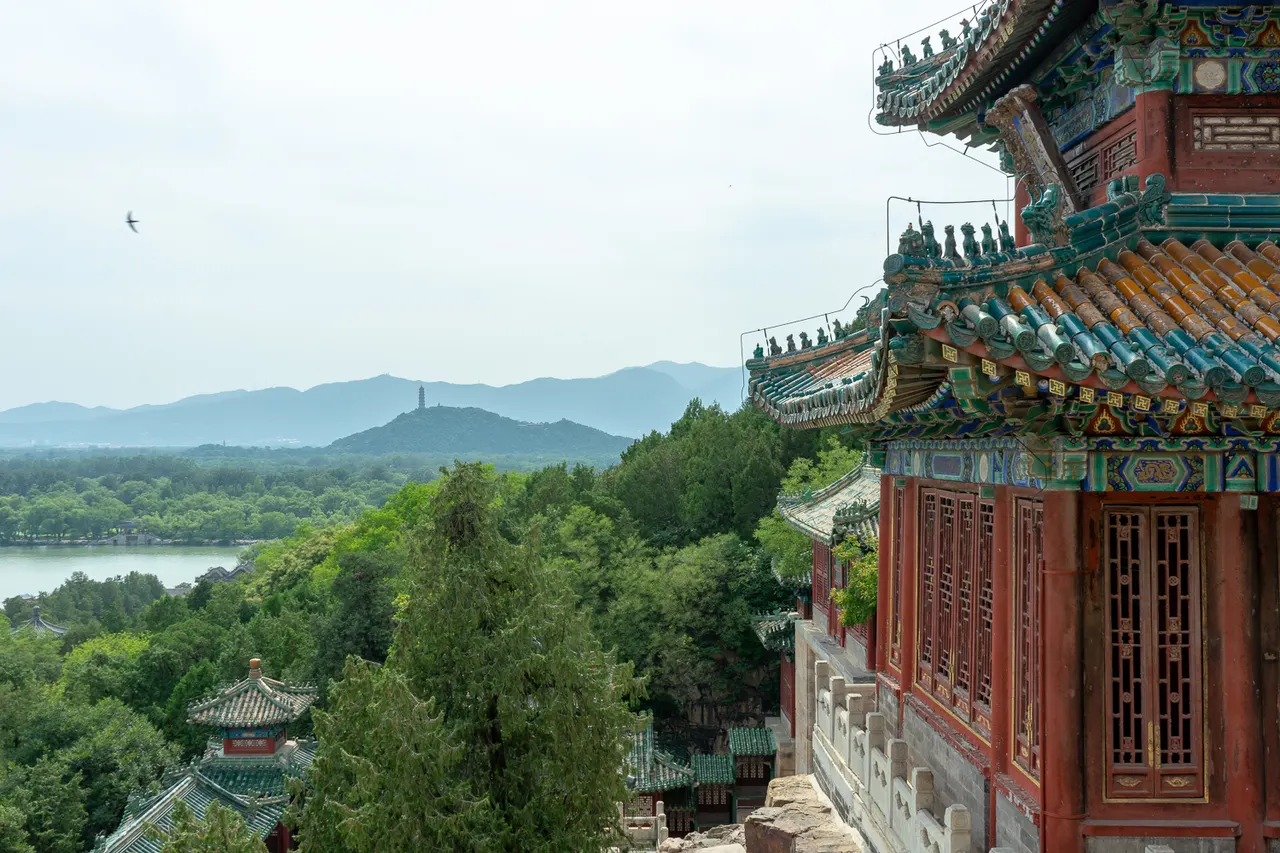
Beijing’s other big day out is a garden, not a gallery: the Summer Palace, a lakeside imperial park in the north-west. The choice there is between park entry and a combined ticket, and our Summer Palace ticket guide does the sums.
Pick Shanghai for the waterfront and a museum you can walk into
Shanghai rewards the opposite temperament: there’s less booking and more wandering. The Bund is a 1.5 km waterfront lined with 52 former banks and trading houses, and the lights come on at 7pm from May to September and at 6pm in the cooler months and on public holidays. On 15 August 2026 more than 40,000 people were on the waterfront at 7pm, so it’s free but not quiet. The Shanghai guide has the rest of the evening, including the ¥2 ferry across the river.
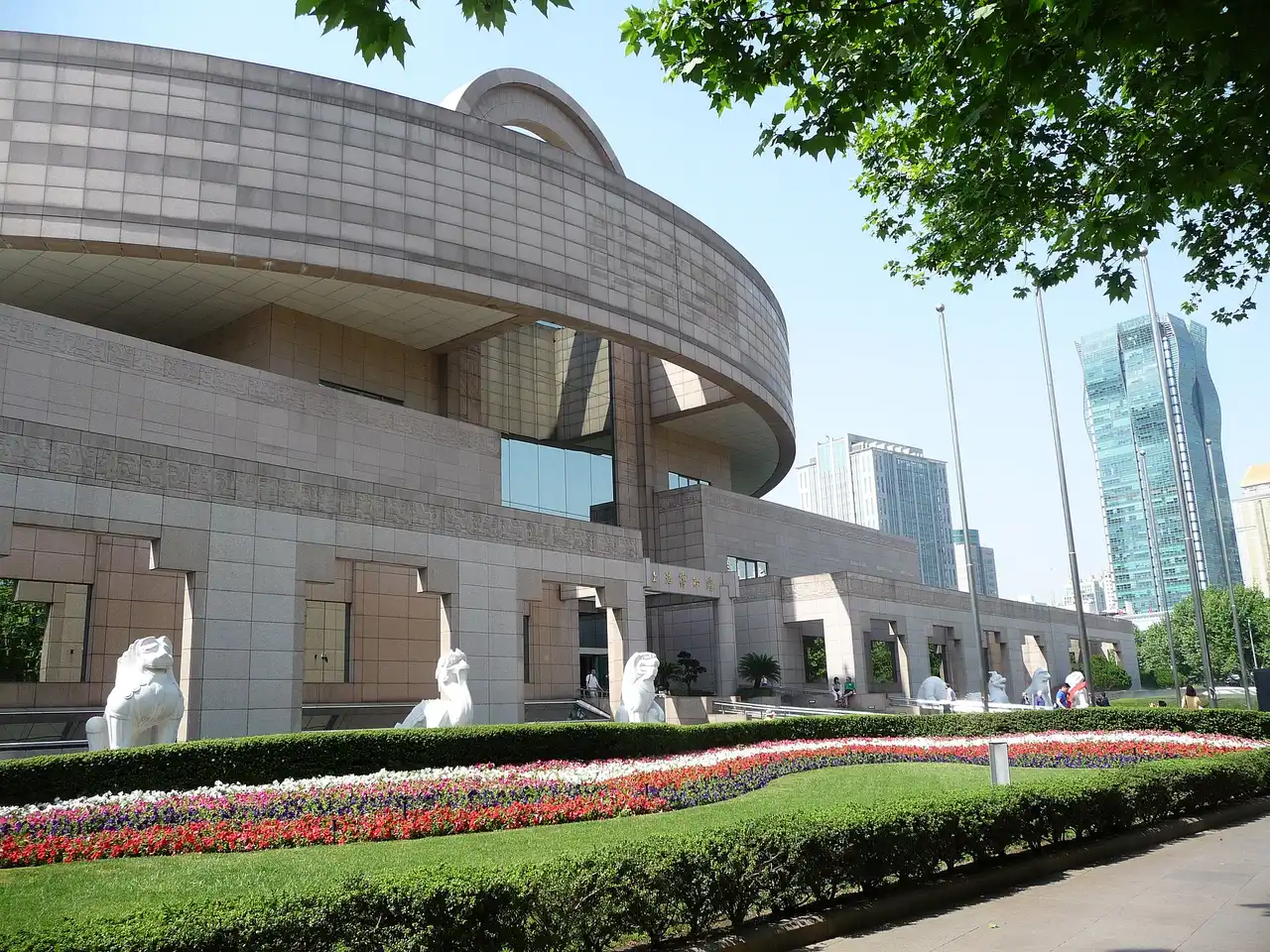
In Shanghai, say which museum you mean. Until 14 November 2027 the Shanghai Museum’s Chinese collections are only at Shanghai Museum East in Pudong (10:00-18:00, last entry 17:00, closed Tuesdays except national holidays), where a passport gets you in without booking. The People’s Square building holds a single paid exhibition on the ancient Americas until then, with last entry at 15:00. The Shanghai guide has the prices and the metro exit.
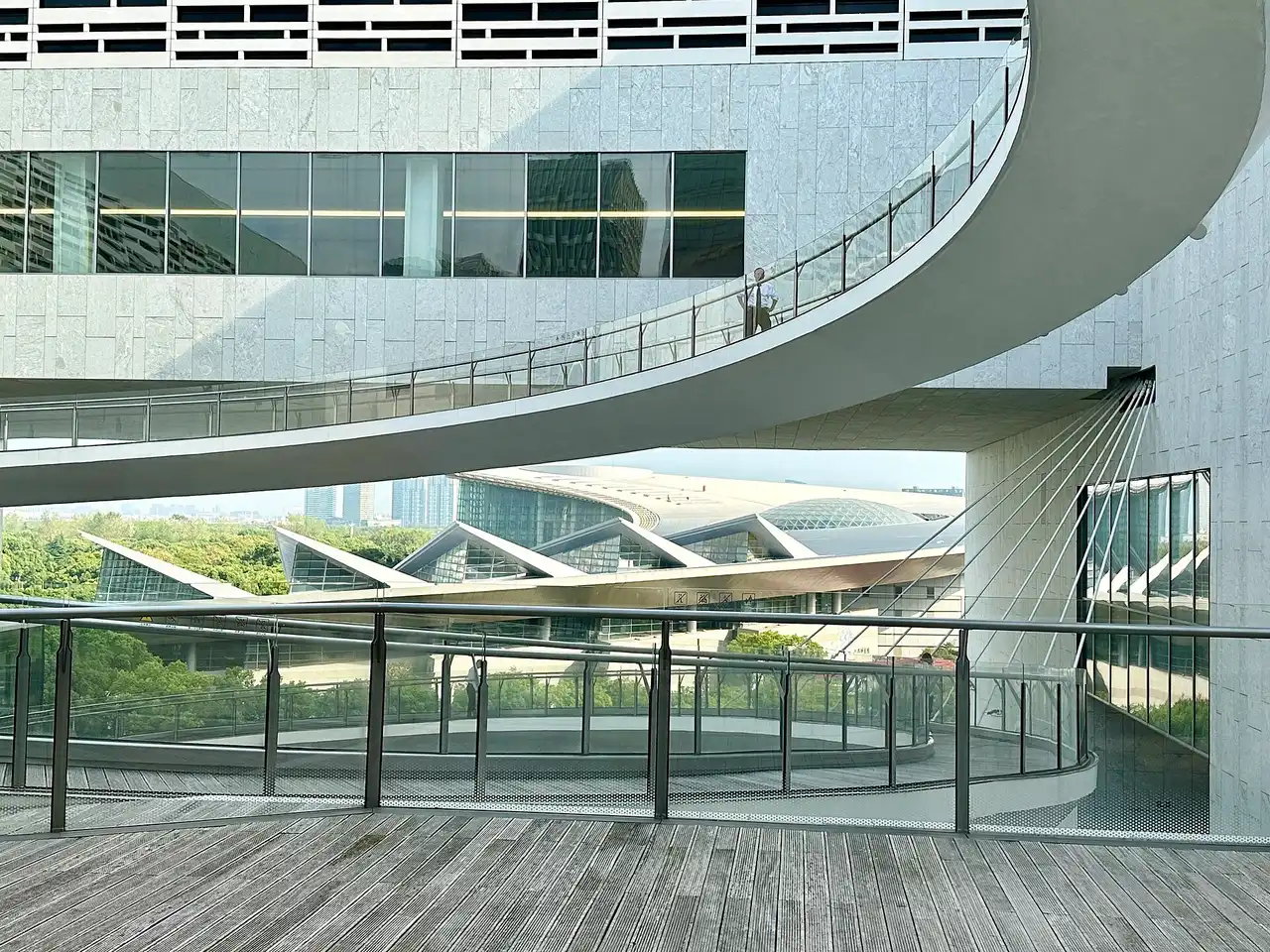
With four days or more in Shanghai, the high-speed train opens up the gardens of Suzhou and West Lake in Hangzhou, both covered in their own day-trip guides above. The Wall, by contrast, is a day out and back from Beijing by road or rail, so plan that day around the return.
How many days each city asks for
The two cities don’t need the same amount of time. Beijing wants three full days on a first visit: two for the old imperial centre and one for the Great Wall. A fourth adds the Summer Palace and an afternoon in the hutongs, and with only two days you’re better off saving the Wall for another trip than rushing the Palace Museum. Much of what first-timers come for stands on a single north-south line, the Central Axis, which runs 7.8 km from Yongdingmen Gate in the south to the Drum and Bell Towers in the north and joined UNESCO’s World Heritage List in July 2024, so the days are long walks rather than long journeys.
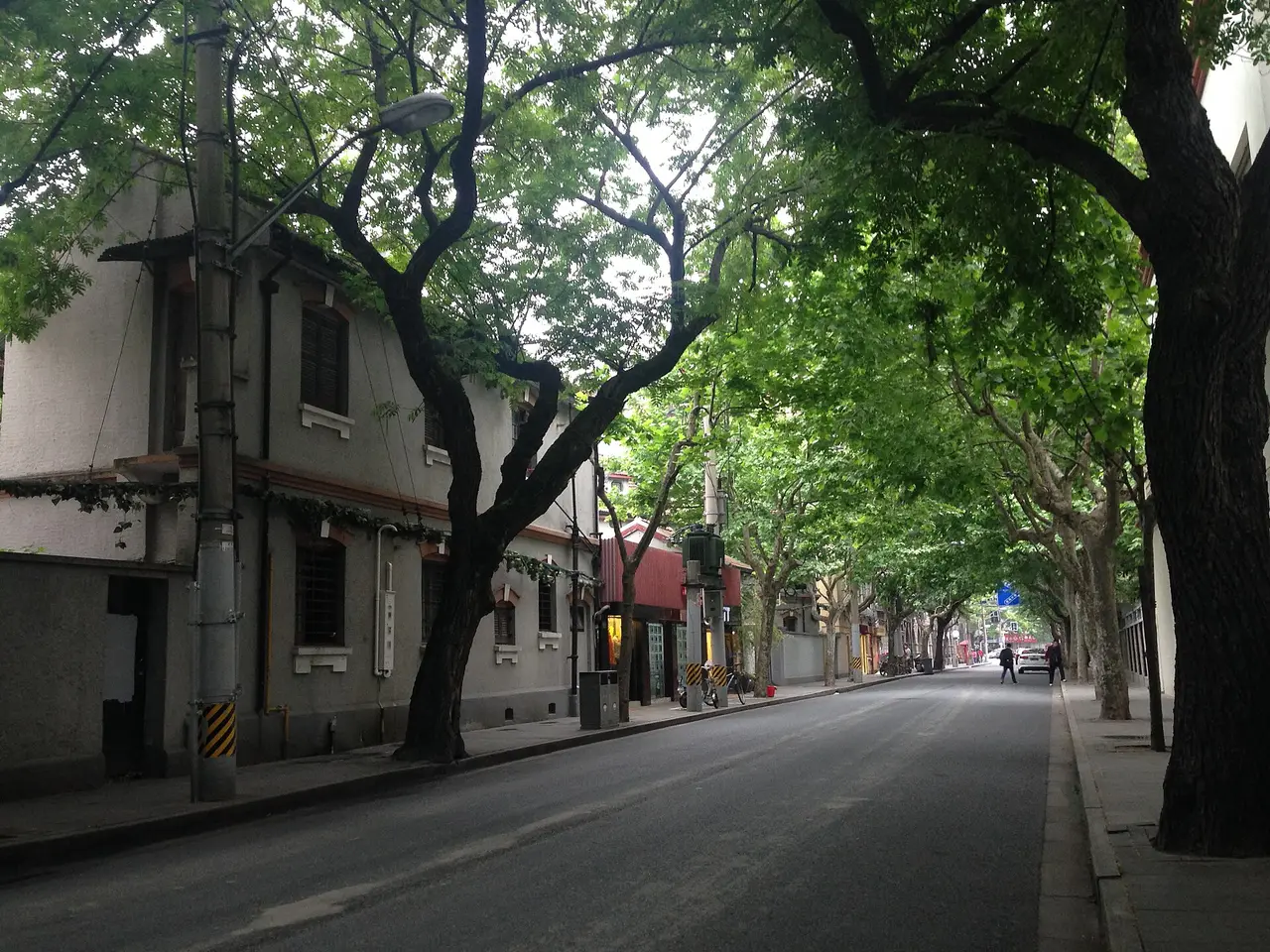
Shanghai’s days pack tighter. In two days the Bund by day and after dark, Yu Garden, one tower and Museum East all fit; a third day adds the plane-tree lanes, Xintiandi, Tianzifang and the Jade Buddha Temple, and day trips start at four days or more. If your dates give you five days in total, Beijing’s three and Shanghai’s two is a fair split, because Beijing’s days are the harder ones to cut.
The Beijing days run on tickets and the Shanghai days run on the clock. Palace and temple halls have last-entry times that change with the season, and our three-day Beijing plan lays them out as a table; in Shanghai it’s the day each venue shuts, which is why the closures row above matters more than any single price.
January: cold outside, different inside
In January Beijing is the colder city outdoors: on the China Meteorological Administration’s 1981-2010 averages it reaches 1.8°C by day and drops to -7.3°C at night, against 7.9°C and 1.8°C in Shanghai. Indoors the order can flip. Beijing is north of China’s heating line and has central heating; Shanghai is south of it and relies on air conditioners and electric heaters, so look at what your hotel room has. Shanghai is also the wetter of the two, with more than 60 mm of rain in the month against under 3 mm in Beijing, which is why its cold feels damp. Our China in winter guide sets both against eight other cities.
Doing both cities in one trip
Splitting a week is the usual answer for a mixed group: three days in Beijing for the palace and the Wall, the train south, then Shanghai’s museum and riverfront. Our Beijing to Shanghai train guide shows which train numbers do it in under five hours. Do Beijing first if your dates include a Monday you can give to the Wall; the rest falls into place around the palace booking.
If you only have time for one, the table above does the deciding. A trip built on booking-heavy history belongs in Beijing, a trip built on walking, evenings and a museum you can enter on the day belongs in Shanghai.
Which suits you
- History and the Great Wall: Beijing, with the palace booked first.
- A waterfront, museums and day trips to gardens: Shanghai, with Museum East rather than People’s Square for the permanent collection.
- A winter trip: Beijing is colder outdoors but heated indoors; Shanghai is milder but damp, with rooms that depend on their own heater.
- Seven days or more: both, Beijing first.
Book the must-see first, then the hotel: the Beijing guide and the Shanghai guide each say where a first-time visitor sleeps best.
Read also

Before you go · 7 min read
Beijing vs Xi'an: Plan Your Cultural Days
Verified · 15 October 2026Choose Beijing or Xi'an by the visits you want to reserve: palace and garden days, Terracotta Warriors, the city wall and the Shaanxi History Museum.

Before you go · 7 min read
Xi'an in 2 Days with the Terracotta Warriors
Verified · 15 October 2026Two full days in Xi'an with the Terracotta Warriors: both museum sites on day one, then the Bell and Drum Towers, the Muslim Quarter and the wall.

Before you go · 7 min read
Xi'an vs Chengdu: Choose One Extra City Stop
Verified · 15 October 2026Decide whether Xi'an or Chengdu suits an extra China stop by comparing the Terracotta Warriors and panda visits, the remaining city day and booking needs.

Before you go · 8 min read
Beijing in 3 Days: A Plan Around Tickets and Mondays
Verified · 8 November 2026Three full days for the Forbidden City, Mutianyu and Temple of Heaven, with a workable order, winter cut-offs and changes when palace tickets sell out.