
Beijing to Shanghai by Train 2026: 4h18, Stations, Fares
The fastest G train takes 4h18 from Beijing South to Shanghai Hongqiao. Which station to pick, why fares change by date, and the 12-hour overnight trains.
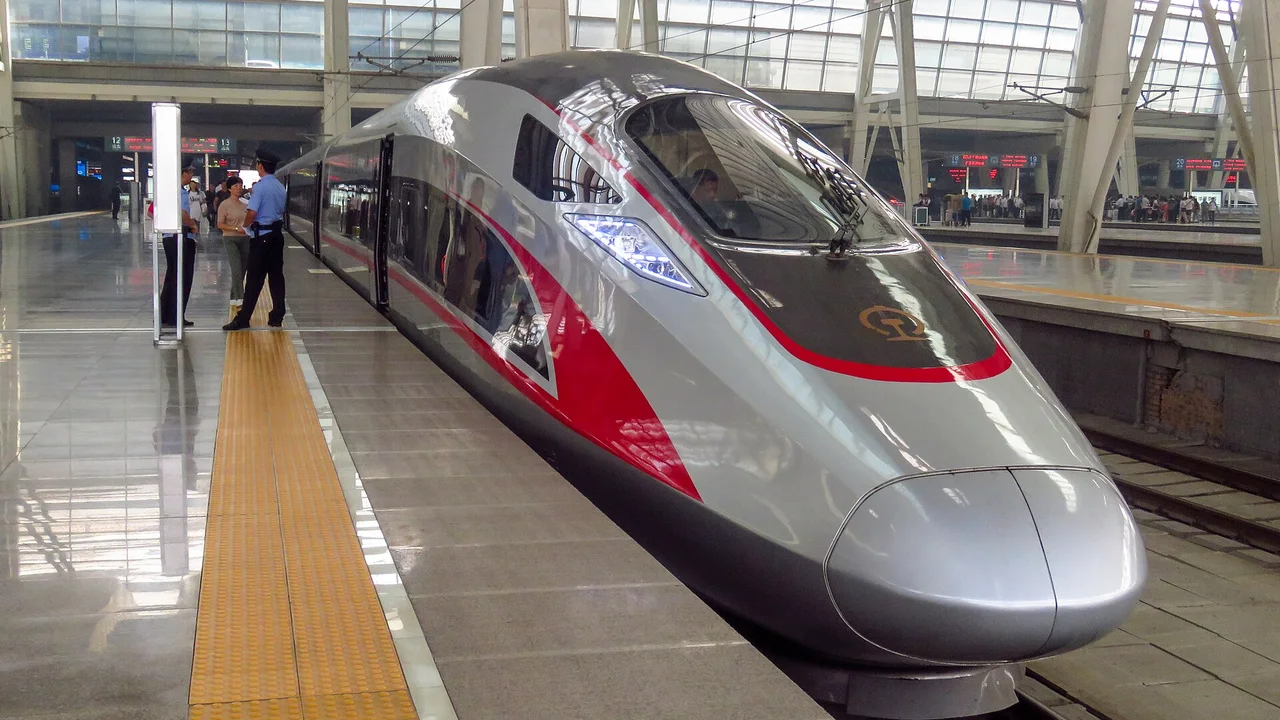
On the Beijing-Shanghai line the train number does most of the choosing. The 19 G trains numbered G1 to G37 in odd numbers all take under five hours, and the fastest, G25, covers the 1,318 km in 4 hours 18 minutes: it leaves Beijing South at 17:00, stops once at Nanjing South and reaches Shanghai Hongqiao at 21:18. 12306 lists a second-class seat on it at ¥661 (about $99 or £74) for Tuesday 27 October 2026. The three-digit G trains take nearer six hours and start from ¥553 (about $83 or £62) on the same date, and the overnight D trains take 12 hours, with a second-class berth from ¥440 (about $66 or £49).
Every timetable and fare here is what 12306 showed on 17 October 2026, and fares move from one date to the next, so look up your own date before you book. Conversions to dollars and pounds use the European Central Bank’s reference rates of 16 October.
Read the train number first
For 27 October, 12306 listed 45 G train numbers between the two cities. Forty were on sale on 17 October, and five were marked as suspended from sale for a timetable adjustment, so check that your train is on sale for your date. Of the forty, 19 take under five hours, and they are exactly the odd numbers from G1 to G37. The 21 others have three-digit numbers and take between 5h34 and 6h41.
The gap comes from stopping. The fast ones make one to five stops each, and G547, the slow one in this table, makes eleven:
| Train | Beijing South to Hongqiao | Stops | On board | Second class, 27 October |
|---|---|---|---|---|
| G25 | 17:00 to 21:18 | 1 | 4h18 | ¥661 |
| G13 | 16:00 to 20:28 | 2 | 4h28 | ¥661 |
| G1 | 06:30 to 11:24 | 5 | 4h54 | ¥598 |
| G547 | 06:18 to 12:11 | 11 | 5h53 | ¥553 |
Those eleven include 11 minutes standing at Xuzhou East. The slow ones are cheaper, but not by much, and the comparison that matters is between trains that leave at the same hour. G547 leaves at 06:18 and arrives at 12:11 for ¥553. G1 leaves 12 minutes later and arrives at 11:24: 59 minutes less on the train, 47 minutes earlier on the clock, for ¥598. That’s ¥45 (about $6.70 or £5.05) to get an hour back. On the afternoon side, G13 and G25 cost the same ¥661 and differ by ten minutes of journey time and by the hour you’d like to arrive.
To land before lunch, G37 reaches Hongqiao at 12:35 for ¥661 and G1 gets there at 11:24 for ¥598. G25 and G13 arrive in the evening and G35 just before midnight, at 23:51, so book the hotel, and the ride from Hongqiao, first.
What the same seat costs on different days
Pick a date and each train has one fare; pick another date and some of those fares change. The railway publishes the rule rather than the daily fare: since 26 May 2026 the Beijing-Shanghai high-speed railway company has set a published fare for each train and class as a ceiling and discounted below it by season, date, time of day, speed and class. In the fares 12306 listed on 17 and 23 October 2026 for travel up to 31 October, three trains moved:
| Train, second class | Fares 12306 listed on 17 and 23 October 2026 |
|---|---|
| G1 | ¥661 on 17 and 19 October, ¥626 on 18 October, ¥598 from 20 to 31 October |
| G19 | ¥661 up to 29 October, ¥692 on 30 and 31 October |
| G805 | ¥553 on most days, ¥576 on Sunday 18, Friday 23, Sunday 25 and Friday 30 October |
G13, G25, G37 and G547 didn’t move on any of those dates. The lookup shows fares for later dates too, but check yours once your date goes on sale. The swings are small, ¥23 to ¥63 (about $3.45 to $9.40, or £2.60 to £7.05) in second class, but they aren’t random: if your dates are loose, look up two or three of them once sales open, and book the cheaper.
Second class is the standard seat. For G25 on 27 October, 12306 listed first class at ¥1,058 (about $158 or £119), premium first class at ¥1,455 (about $218 or £163) and business class at ¥2,315 (about $346 or £260). Premium first class was on 12 of the 40 trains, among them G25 and G19, and business class on all 40. For the seat layouts and what each class gets you, see our 12306 vs Trip.com comparison.
Getting on and getting off
Nearly every fast train leaves from Beijing South, where the Beijing-Shanghai high-speed line starts. Beijing’s government puts it on metro Lines 4 and 14, with the transfer in the hall on the B1 floor. The one fast train that starts elsewhere is G5: it leaves the main Beijing station at 07:40, calls at Beijing South at 07:59 and runs on to Shanghai. From Beijing South that is 4h33 at ¥667; from the main station it’s 4h52 at ¥672.
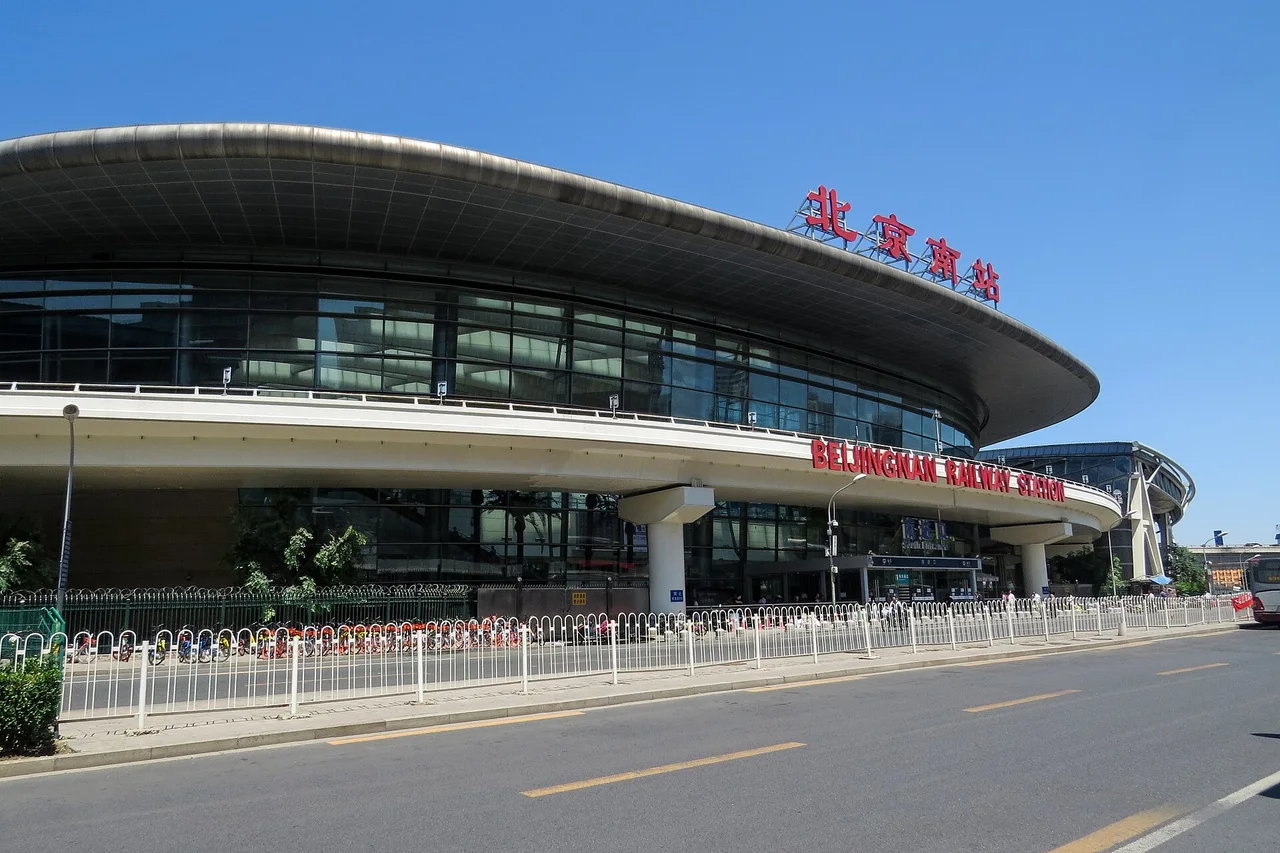
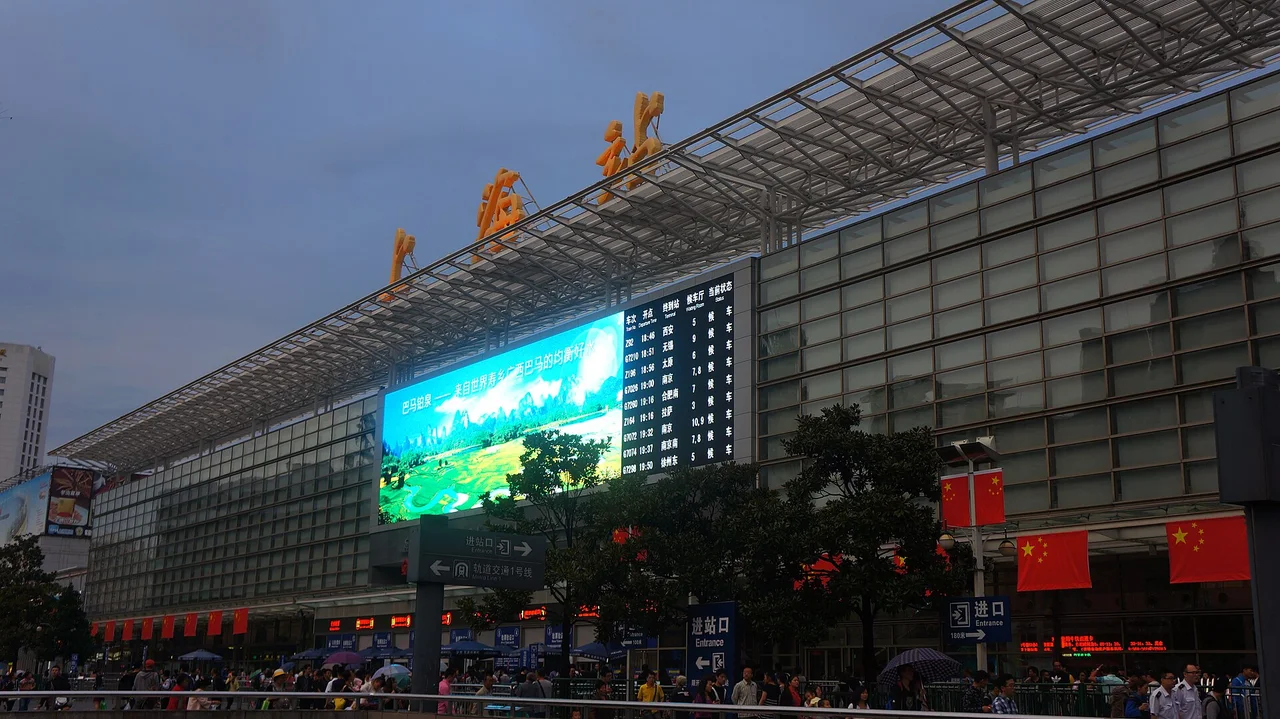
At the other end there are two stations to know. Hongqiao, on Shengui Road in the Minhang district, is on Metro Lines 2, 10 and 17, and it’s where most of the fast trains end. Six G trains (G3, G5, G17, G29, G33 and G741) end instead at Shanghai Railway Station, on Moling Road in Jing’an district and on Lines 1, 3 and 4. Either way you reach People’s Square on one line, because the Shanghai Museum’s own directions send you on Line 1 from Shanghai Railway Station and on Line 2 from Hongqiao. Line 2 carries on to Lujiazui, so from Hongqiao you can ride to the Shanghai Tower without changing. The Shanghai guide says which bank of the Huangpu to sleep on.
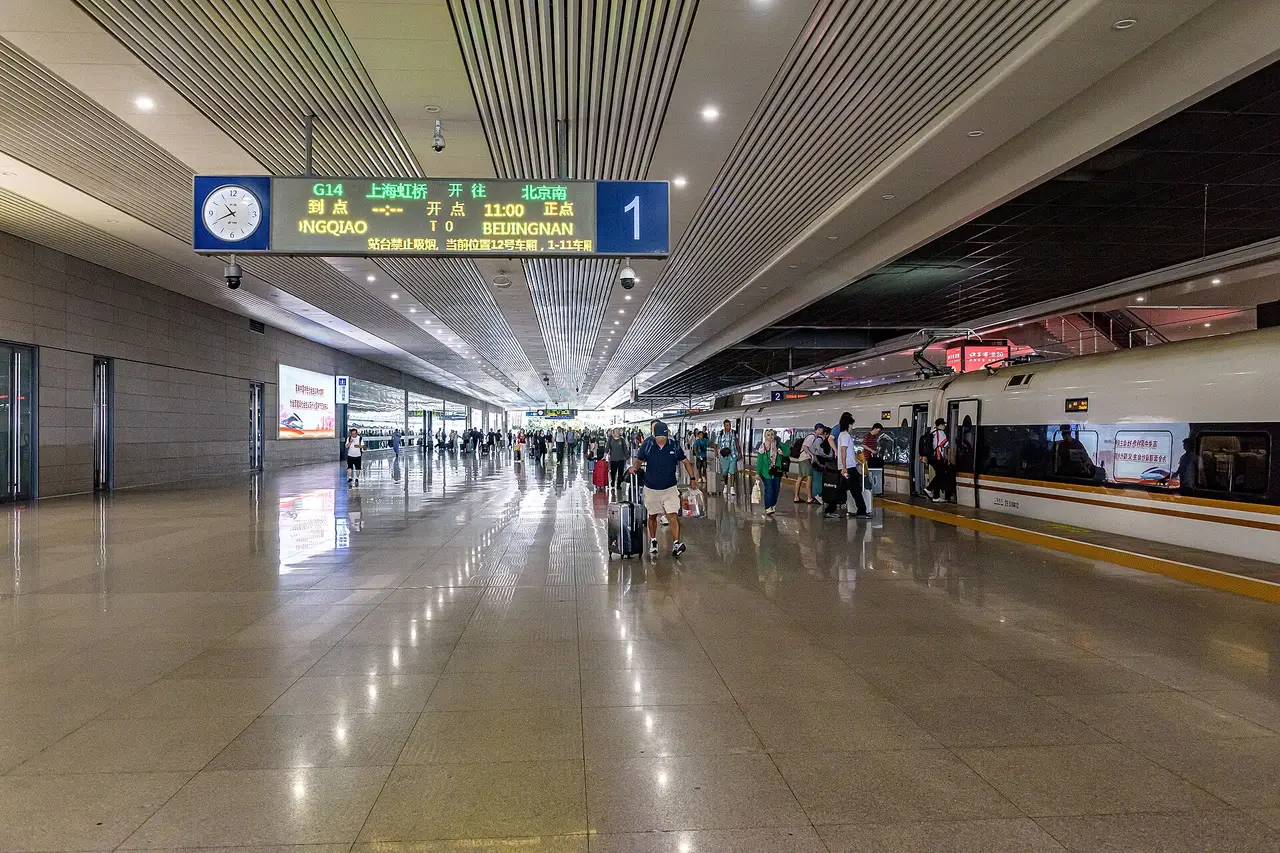
12306 treats “Beijing” and “Shanghai” as whole cities, so a search returns every station pair at once. Read the station name on each row, because the same train number can appear twice with different boarding stations, as G5 does.
If you’d rather sleep through it
If you’d rather replace a hotel night than see the countryside, look at the evening departures. D7 leaves the main Beijing station at 19:18 and reaches Shanghai Railway Station at 07:25, in 12h07; D5 leaves at 21:21 and arrives at 09:27. On D7 a second-class berth was ¥440 and a first-class berth ¥601; on D5 they were ¥474 and ¥644. A D7 berth costs ¥221 less than a G25 seat, and the price of that is almost eight hours more on the clock, which you spend asleep.
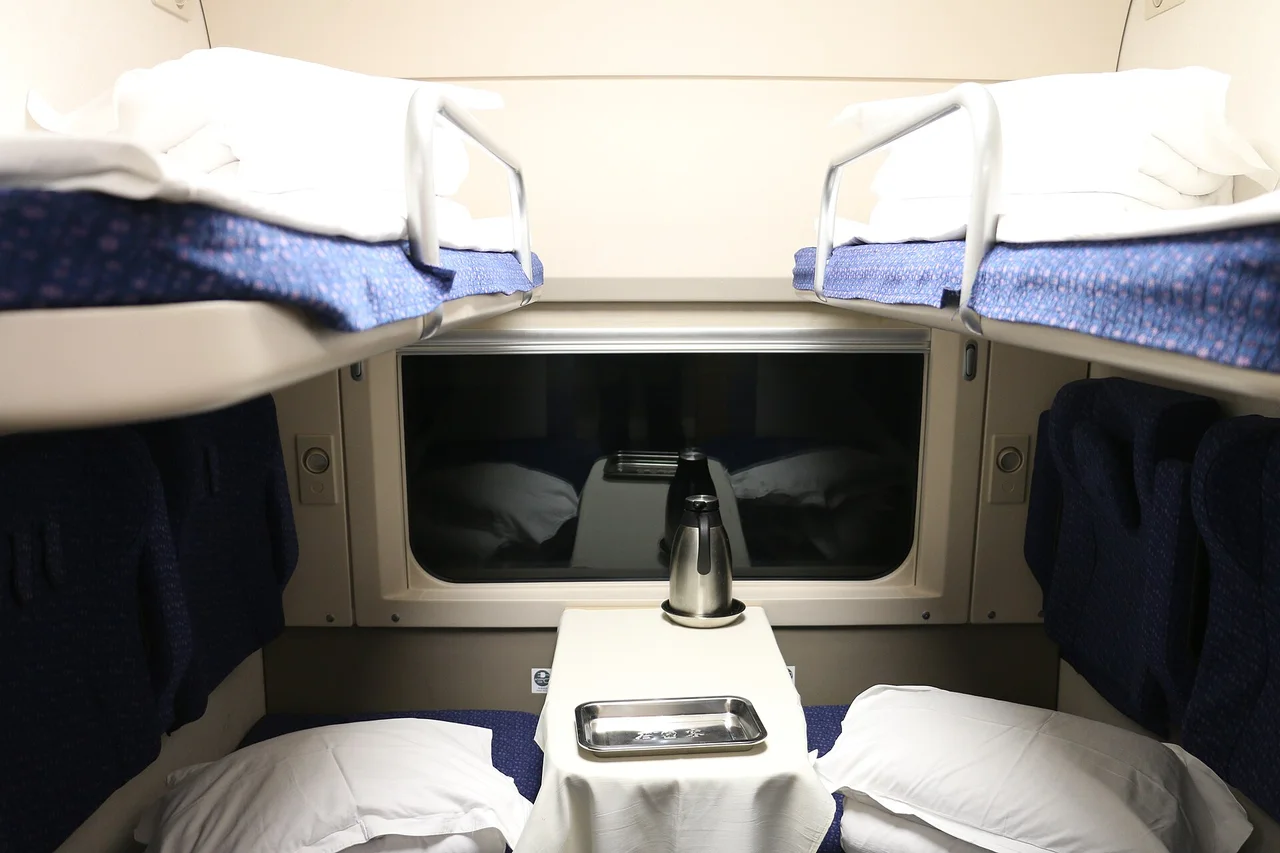
T109, a slower conventional train, takes 14h58 (20:04 to 11:02) and sells hard seats at ¥177.5, hard sleepers at ¥304.5 and soft sleepers at ¥476.5. Train 1461 is the odd one out: it leaves at 11:59 and arrives at 06:45 after 18h46, with hard seats at ¥156.5. Check the arrival station on the overnight trains too: Z281 and D17 stop in Shanghai only at Songjiang, which Shanghai’s government lists on Metro Line 9, and run on to Hangzhou.
When tickets go on sale
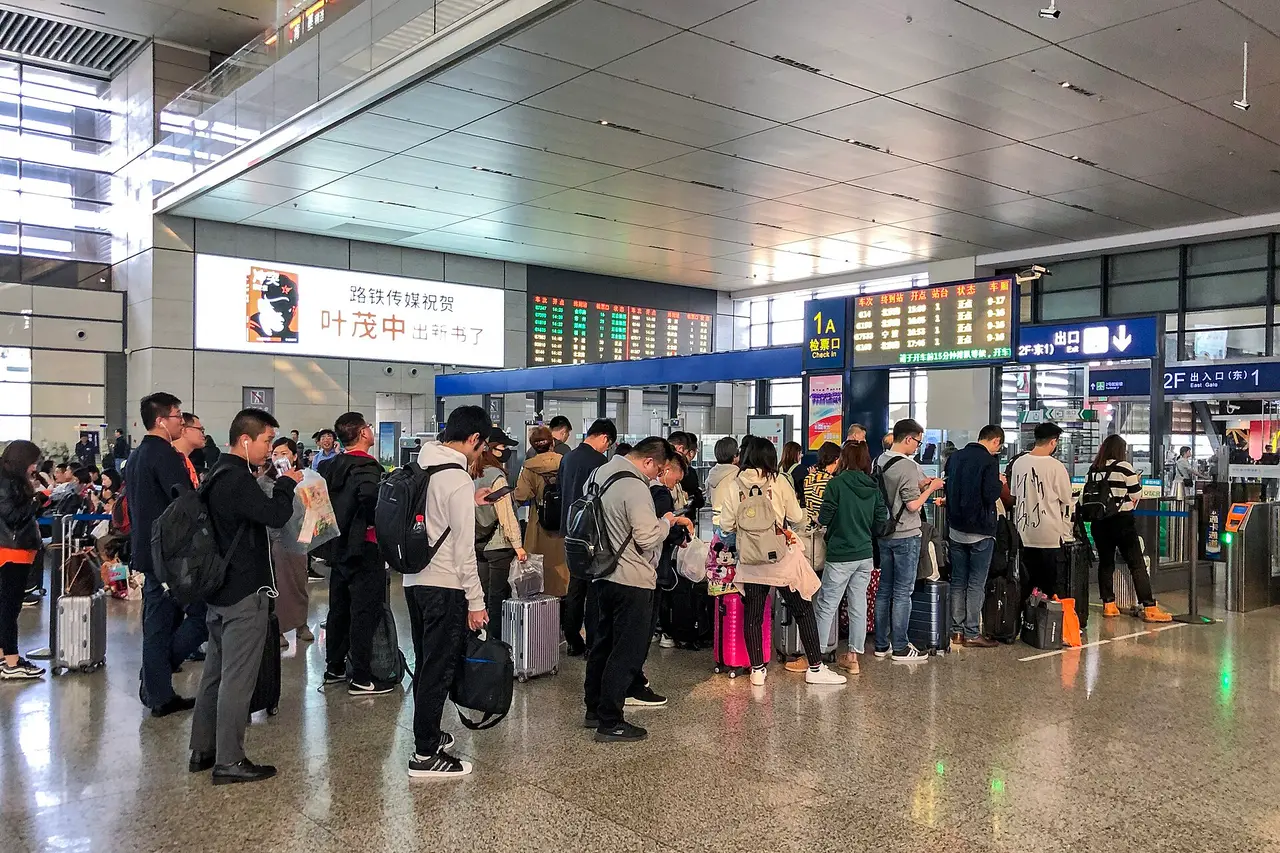
Sales open 15 days ahead, station by station: 12306 lists Beijing South at 12:45 Beijing time (04:45 GMT), Shanghai Hongqiao at 13:45 and Shanghai Railway Station at 14:45, with the main Beijing station at 10:00. The release hour that counts is your departure station’s, so a return from Hongqiao sells from 13:45. At the station you pass the gate with the original passport you booked with, at an automatic gate or a staffed lane. This is also the corridor where the 12306 app fills pre-booking requests before open sale, so some seats are gone by the release hour. The foreign-passport rules, the refund fees and how that pre-booking works are all in the 12306 vs Trip.com comparison. Our 10-day China itinerary shows how this leg fits into a longer route by train. Still deciding whether to go to Shanghai at all? Our Beijing vs Shanghai comparison weighs the two cities.
Beyond Shanghai: Suzhou and Hangzhou
Shanghai needn’t be the end of the ride. G1 calls at Suzhou North at 10:59 on 27 October, so you can step off there without going on to Hongqiao and back; Suzhou North is the high-speed hub, well out of the old town, and the Suzhou day trip explains why Suzhou station is the better stop for the gardens. G37 runs on from Hongqiao through Jiaxing South to Hangzhou East, arriving at 13:31 on 27 October, so a Hangzhou day can start without a change in Shanghai; the Hangzhou day trip covers the same line from the Shanghai side.
Read also

Transport · 8 min read
Beijing Subway for Tourists: Cards, Gates and Stations
Verified · 8 November 2026Use a foreign bank card, a single ticket or BEIJING PASS on the metro, avoid mixing payment devices and find the right line for your railway station.

Transport · 7 min read
Beijing to Datong Train: 1h46-2h36, ¥148-170 (2026)
Verified · 8 November 2026Beijing North to Datong South takes 1h46-2h36, second class ¥148-170 on 10 November 2026. One day works for Yungang; the Hanging Temple needs a night.

Transport · 8 min read
Beijing to Xi’an by Train: Day Seats or a Sleeper?
Verified · 7 November 2026Compare direct daytime and overnight trains, the stations each uses, passport boarding and an overnight stop in Pingyao between Beijing and Xi’an.

Transport · 7 min read
China Train Classes: Is the Upgrade Worth It?
Verified · 7 November 2026Compare second, first and business class by seating, a dated fare example, family prices and baggage rules before paying to upgrade your group.